Breakfast · Part 1 of 3: Ingredients
Crispy Airy Pishmaniye Bread: Turkish Fried Puff Pastry
- Prep
- Cook
- Total
- Serves
- 6
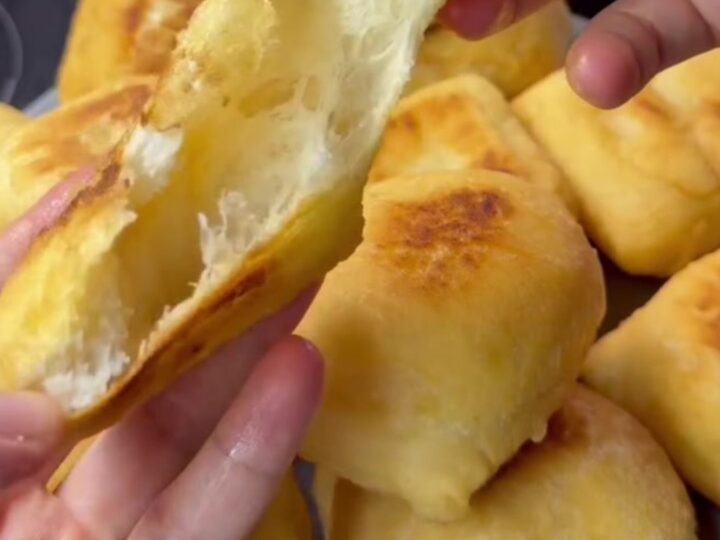
This Turkish fried bread, known as pishmaniye, is a delightful paradox: crispy and golden on the outside, yet so light and airy inside that it practically melts in your mouth.
The dough is simple—flour, milk, water, yeast, and a pinch of salt—but the hot oil bath transforms it into a puffed pillow of savory goodness. Whether you tear it open to reveal the steamy interior or dip it into creamy yogurt, this bread is a comforting treat that's surprisingly easy to make at home.
Pishmaniye bread, sometimes called 'puf böreği' or 'fried flatbread', is a beloved staple in Turkish cuisine. Unlike its sweet namesake, this version is savory and meant to be enjoyed as a side or snack.
The magic happens in the hot oil: the dough puffs up dramatically, creating a hollow center that's perfect for filling with cheese, herbs, or simply dipping.
This recipe streamlines the process, using basic pantry ingredients and a straightforward technique. The result is a batch of crispy, airy breads that are best served warm, straight from the skillet. They're ideal for breakfast, brunch, or as an accompaniment to soups and stews.
Ingredients
- 4 cups all-purpose flour
- 1 cup warm milk
- 1 cup warm water
- 1 tbsp active dry yeast
- 1 tbsp sugar
- 1 tsp salt
For frying
- 2 cups vegetable oil
Why this recipe works
The key to pishmaniye's signature puff is the high moisture content in the dough. By using equal parts milk and water, the dough steams from within as it fries, creating those dramatic airy pockets.
The yeast provides structure and flavor, while the sugar feeds the yeast, ensuring a vigorous rise and a beautiful golden color.
Frying at the right temperature is crucial. At 350°F, the exterior sets quickly, trapping steam inside and forcing the dough to balloon. The result is a crispy shell with a tender, almost hollow interior. This method differs from deep-frying in that the bread doesn't absorb excess oil, so it stays light and crisp.
Notes and substitutions
Use whole milk for the richest flavor, but any milk or plant-based alternative will work. The yeast must be fresh and active—if it doesn't foam when proofed, start over with new yeast. For a chewier texture, substitute bread flour for all-purpose, but reduce the water by 2 tablespoons.
The dough is forgiving and can be adjusted with a little extra flour or water as you knead. If you prefer a richer bread, add a tablespoon of melted butter to the dough. For a gluten-free version, use a 1:1 gluten-free flour blend, though the puff may be less dramatic.
- whole milk: any milk or plant-based milk; the bread will be slightly less rich but still tender.
- active dry yeast: instant yeast; use 2 1/4 tsp, no need to proof in liquid first.
- all-purpose flour: bread flour for a chewier texture; reduce water by 2 tbsp.
Equipment
- Large mixing bowl
- Kitchen towel
- Rolling pin
- Heavy skillet or pot
- Slotted spoon
- Paper towels
Up next · Part 2 of 3
9 steps · 15 min of cooking · what to look for at each stage
Step-by-step instructions (Part 2)