Dinner · Part 3 of 3: Tips & recipe card
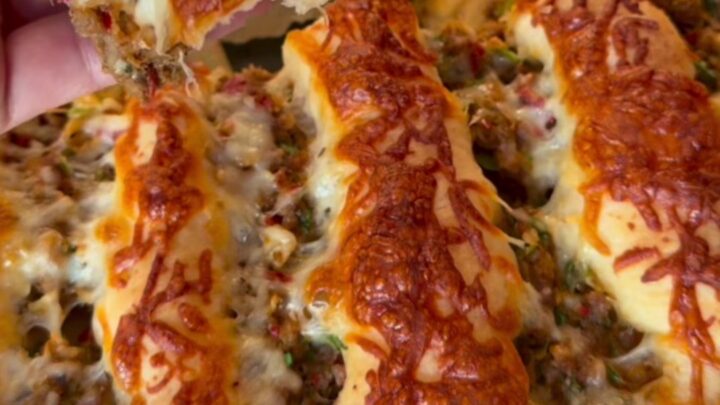
Crispy Turkish Lahmacun Pide with Spiced Beef Tips, FAQ & printable recipe
- Prep
- Cook
- Total
- Serves
- 4
Tips for success
For the crispiest crust, roll the dough as thin as possible without tearing. A thickness of about 1/8 inch is ideal. Use a light hand when spreading the topping—a thick layer will weigh down the dough and prevent blistering.
If you have a pizza stone, preheat it for at least 30 minutes to ensure it's screaming hot. If you don't, a heavy baking sheet flipped upside down and preheated works well. The high heat is what creates the charred leopard spots.
When folding the pide, roll it tightly from one pointed end to the other. The crust should snap slightly as you roll. Serve immediately with lemon wedges on the side for extra squeezing.
If you're making multiple pide, keep them warm in a low oven (200°F) for up to 10 minutes, but they are best eaten fresh. The pide can also be served open-faced, topped with a salad of parsley, onion, and lemon juice.
Variations
- Lamb Lahmacun: Substitute ground lamb for the beef. Lamb has a richer flavor that pairs well with the spices. You may need to add a tablespoon of olive oil to keep the topping moist.
- Spicy Sucuk: Add 1/4 cup finely chopped sucuk (Turkish sausage) to the beef mixture. The sucuk adds a smoky, spicy depth. Reduce the red pepper flakes to 1/2 teaspoon if you prefer less heat.
- Vegetarian: Replace the beef with 1 cup cooked lentils or a mixture of finely chopped mushrooms and walnuts. Increase the tomato paste to 3 tablespoons and add an extra tablespoon of olive oil.
- Cheese-Topped: After baking, sprinkle the hot pide with crumbled feta or grated mozzarella. Let it melt slightly before folding. This adds a creamy, salty contrast to the spicy beef.
Storage and make-ahead
- Fridge
- Store leftover pide in an airtight container in the fridge for up to 3 days. Reheat in a 350°F oven for 5-7 minutes.
- Freezer
- Baked pide can be frozen for up to 2 months. Wrap tightly in foil and freeze. Reheat from frozen in a 375°F oven for 10-12 minutes.
- Reheat
- To reheat, place in a 350°F (175°C) oven for 5-7 minutes until crisp. Avoid microwaving, which makes the crust chewy.
Leftover pide can be stored in an airtight container in the refrigerator for up to 3 days. To reheat, place in a 350°F (175°C) oven for 5-7 minutes until crisp. Avoid microwaving, which makes the crust chewy.
The dough can be made a day ahead and refrigerated after the first rise. Let it come to room temperature for 30 minutes before shaping. The topping can also be prepared a day ahead and kept refrigerated. Bring it to room temperature before spreading.
Serving ideas
Serve the pide hot, folded into rolls, with lemon wedges and extra parsley on the side. A simple salad of shredded lettuce, cucumber, and tomato with a lemon-olive oil dressing is a classic accompaniment.
For a heartier meal, serve with a bowl of yogurt or cacık (cucumber-yogurt dip). The pide is also great as a snack or appetizer, cut into smaller pieces.
For a traditional Turkish spread, serve the pide with pickled peppers, olives, and fresh herbs. The bright lemon and parsley cut through the richness of the beef. If you like heat, add a drizzle of hot sauce or extra red pepper flakes.
The pide is best enjoyed immediately, but can be kept warm in a low oven for up to 10 minutes. Pair with a cold glass of ayran (yogurt drink) for a refreshing contrast.
Frequently asked questions
Can the dough be made without a stand mixer?
What if the dough tears when rolling?
Can this be baked on a regular baking sheet?
How spicy is the topping?
Can the pide be made gluten-free?
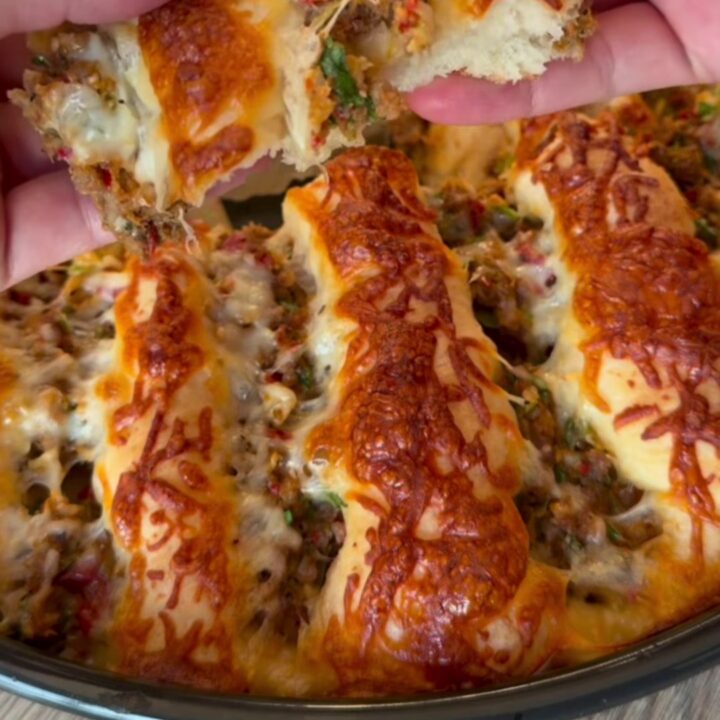
Crispy Turkish Lahmacun Pide with Spiced Beef
Ingredients
- 1/2 cup warm milk
- 1/2 cup warm water
- 2 tbsp olive oil
- 2 1/4 tsp active dry yeast
- 1 tsp salt
- 3 cups all-purpose flour
- 1 lb ground beef
- 1 onion, finely grated
- 2 tbsp tomato paste
- 1 tsp red pepper flakes
- 1 tsp ground cumin
- salt and black pepper to taste
- 1 lemon, cut into wedges
- 1/2 cup fresh parsley leaves
Instructions
- In a large bowl, combine the warm milk, warm water, olive oil, active dry yeast, and salt. Let stand for 5 minutes until the yeast is foamy. Add the flour and stir with a wooden spoon until a shaggy dough forms. Turn out onto a floured surface and knead for 5 minutes until smooth and elastic. Place in a lightly oiled bowl, cover with a damp towel, and let rise in a warm spot for 30 minutes, until puffy.
- While the dough rises, prepare the topping. In a bowl, combine the ground beef, finely grated onion, tomato paste, red pepper flakes, ground cumin, salt, and black pepper. Mix with your hands until everything is well combined. The mixture should be spreadable but not wet. Cover and refrigerate until needed.
- Place a baking stone or heavy baking sheet on the middle rack of the oven. Preheat the oven to 450°F (232°C) for at least 30 minutes. Meanwhile, punch down the dough and divide it into 4 equal pieces. On a floured surface, roll each piece into a thin long oval, about 1/8 inch thick. Pinch the two short ends to form sharp, pointed canoe tips.
- Spread a quarter of the beef mixture evenly over each dough oval, leaving a small border at the edges. Use the back of a spoon to press the topping into the dough so it adheres. Transfer the topped pide to a pizza peel or rimless baking sheet dusted with flour.
- Slide the pide onto the preheated baking stone. Bake for 8 minutes, until the crust is blistered with charred leopard spots and the edges are crisp. The beef should be cooked through and reach an internal temperature of 160°F (71°C). Use a thermometer to check the thickest part of the topping.
- Remove the pide from the oven and immediately squeeze fresh lemon juice over the top. Scatter with fresh parsley leaves. Fold each pide into a tight roll and serve hot with lemon wedges on the side for extra squeezing.
Estimated nutrition per serving
- Calories
- 420
- Protein
- 28 g
- Carbohydrates
- 42 g
- Fat
- 15 g
Next recipe

Quick Skillet Lasagna Roll-Ups with Endless Cheese Pull
See the recipe → →This recipe is based on a short cooking video and is published under the pen name Clara Weller. It was checked before publication, but errors can slip through. Nutrition, when shown, is an estimate. Read more in our editorial policy and on our food safety page.
More recipes to try
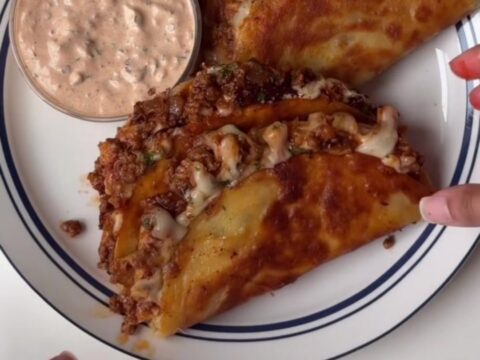
Cheesy Chipotle Beef Tacos with Lime Crema
Total time: 35 min
Shatteringly Crispy Garlic Parmesan Chicken Tenders
Total time: 35 min
One-Pan Stuffed Jumbo Shells with Meatballs
Total time: 45 min
Garlic Butter Beef Pockets with Molten Cheese
Total time: 45 min
Crispy Beef Tacos Cones with Cheddar and Cilantro Crema
Total time: 45 min