Dinner · Part 1 of 3: Ingredients
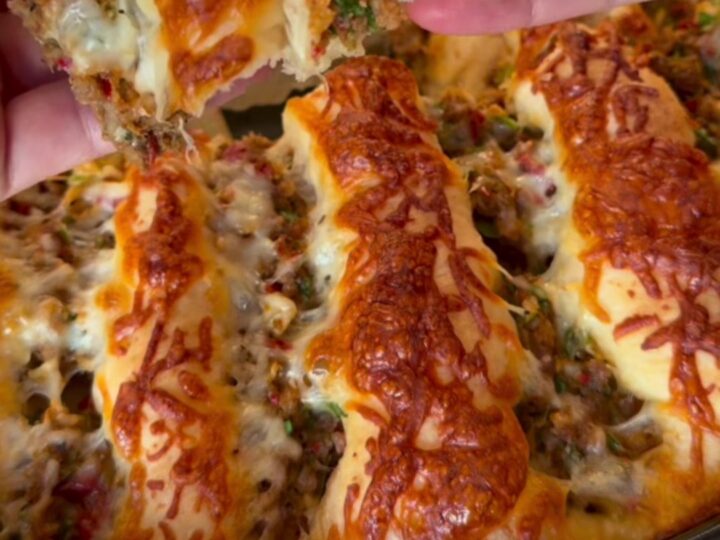
Crispy Turkish Lahmacun Pide with Spiced Beef
- Prep
- Cook
- Total
- Serves
- 4
This Turkish lahmacun pide is a street-food favorite that translates beautifully to the home oven. A thin, blistered flatbread is topped with spiced minced beef, then folded into a crispy roll and finished with a bright squeeze of lemon and fresh parsley.
The contrast of crunchy crust and juicy, seasoned meat is irresistible. With a hot baking stone and a simple dough, you can recreate that authentic char and snap in about 45 minutes. It's a hands-on, rewarding bake that feels special but is surprisingly straightforward.
Lahmacun, often called Turkish pizza, is a beloved flatbread topped with a thin layer of spiced ground meat. This version takes the classic boat shape, pinching the dough into pointed ends that crisp up beautifully. The dough is enriched with warm milk and oil, giving it a tender yet sturdy texture that holds up to rolling and folding.
The topping—ground beef with grated onion, tomato paste, and warm spices—stays juicy as it bakes on the screaming-hot stone. Finished with lemon and parsley, each bite is a balance of char, spice, and brightness. This recipe is designed for home cooks: no special equipment beyond a baking stone, and the steps are clear and forgiving.
Ingredients
- 1/2 cup warm milk
- 1/2 cup warm water
- 2 tbsp olive oil
- 2 1/4 tsp active dry yeast
- 1 tsp salt
- 3 cups all-purpose flour
Topping
- 1 lb ground beef
- 1 onion, finely grated
- 2 tbsp tomato paste
- 1 tsp red pepper flakes
- 1 tsp ground cumin
- salt and black pepper to taste
For serving
- 1 lemon, cut into wedges
- 1/2 cup fresh parsley leaves
Why this recipe works
The dough uses warm milk and water, which activates the yeast quickly and creates a supple, easy-to-roll dough. The milk adds a slight richness and tenderness, while the water keeps the crust crisp. Kneading for just five minutes develops enough gluten to make the dough elastic but not tough, so it rolls thin without tearing. A brief 30-minute rise is enough to give the dough structure and a hint of airiness, resulting in a crust that blisters and snaps.
Baking on a preheated stone at 450°F mimics the intense heat of a professional pizza oven. The stone absorbs moisture from the dough, creating a dry, blistered surface with charred leopard spots. The thin layer of topping—spread thinly and pressed into the dough—cooks quickly and stays juicy without making the crust soggy. The high heat also ensures the beef reaches a safe temperature quickly, keeping the interior moist while the outside crisps.
Notes and substitutions
Use a good-quality ground beef with some fat, around 80/20, for the best flavor and moisture. The grated onion adds sweetness and moisture; squeeze out excess liquid if it seems too wet. Tomato paste gives depth without adding excess moisture.
Red pepper flakes add a gentle heat; adjust to taste. For the dough, all-purpose flour works well, but bread flour will give a chewier texture. Active dry yeast is called for; instant yeast can be substituted, reducing the rise time slightly.
A baking stone is ideal for achieving the blistered crust, but a heavy baking sheet preheated in the oven will also work. If using a baking sheet, flip it upside down and preheat it. A pizza peel or rimless baking sheet makes transferring the pide easier.
If you don't have one, you can assemble the pide directly on parchment paper and slide it onto the hot stone. The dough is forgiving, so don't worry about perfect ovals—rustic shapes are part of the charm.
- ground beef: Ground lamb or a mix of beef and lamb works well.
- all-purpose flour: Bread flour gives a chewier crust.
- red pepper flakes: Use 1/2 teaspoon cayenne for more heat.
- fresh parsley: Fresh mint or arugula can replace parsley.
Equipment
- Large mixing bowl
- Baking stone or heavy baking sheet
- Rolling pin
- Bench scraper
- Kitchen towel
- Pastry brush
- Pizza peel or rimless baking sheet
Up next · Part 2 of 3
6 steps · 16 min of cooking · what to look for at each stage
Step-by-step instructions (Part 2)