Dinner · Part 3 of 3: Tips & recipe card
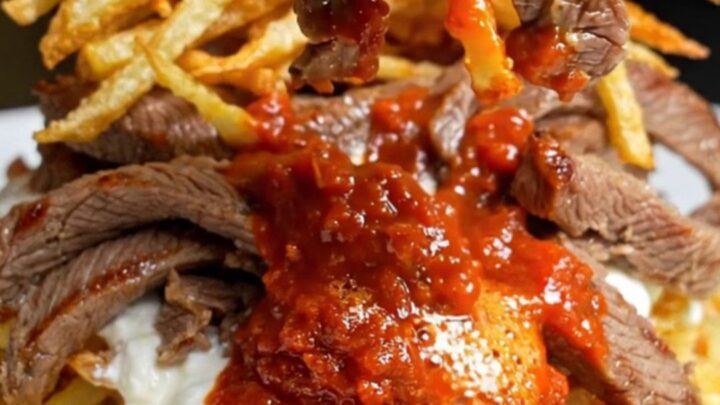
Crispy Turkish Çökertme Kebabı with Garlic Yogurt Tips, FAQ & printable recipe
- Prep
- Cook
- Total
- Serves
- 4
Tips for success
To achieve the crispiest potatoes, cut them uniformly and soak them in cold water for at least 10 minutes. This removes excess starch and helps them fry evenly.
Dry them thoroughly before adding to the oil; any moisture will cause splattering and prevent crispiness. Fry in small batches and keep the oil temperature steady at 350°F (175°C). Use a slotted spoon to remove them and drain on paper towels.
For the beef, make sure the skillet is smoking hot before adding the meat. Do not overcrowd; otherwise, the beef will steam instead of sear. Season generously with salt and pepper just before cooking.
Let the beef rest after searing to keep it juicy. The tomato-butter sauce can be made ahead and reheated, but it is best fresh. If the sauce thickens too much, add a splash of water.
Variations
- Chicken Çökertme: Substitute chicken breast or thigh strips for the beef. Cook until the chicken reaches 165°F (74°C) and is no longer pink. Adjust cooking time accordingly, as chicken may take slightly longer than beef.
- Spicy Tomato Sauce: Add a pinch of cayenne pepper or extra pul biber to the tomato-butter sauce for a spicier kick. Alternatively, stir in a teaspoon of harissa paste for a North African twist.
- Herbed Yogurt: Stir in chopped fresh dill, mint, or parsley into the garlic yogurt for a fresher flavor. This works especially well during summer months when herbs are abundant.
- Vegetarian Version: Replace the beef with grilled portobello mushrooms or halloumi cheese. Sear the mushrooms in the same way as the beef and serve with the same accompaniments. For a vegan option, use a dairy-free yogurt and omit the butter or use a plant-based alternative.
Storage and make-ahead
- Fridge
- Store leftovers in separate airtight containers in the refrigerator for up to 3 days. Reheat the beef and potatoes separately to maintain texture.
- Freezer
- Not recommended for freezing; the potatoes and yogurt sauce do not freeze well.
- Reheat
- Reheat beef in a hot skillet for 1-2 minutes, and potatoes in a 400°F (200°C) oven for 5 minutes to restore crispness.
Store leftover kebab components separately in airtight containers in the refrigerator for up to 3 days. The potatoes will lose their crispness, so reheat them in a 400°F (200°C) oven for a few minutes to revive them.
The beef can be reheated gently in a skillet or microwave, but be careful not to overcook. The yogurt sauce should be kept cold and used within 2 days.
The garlic yogurt can be prepared up to 2 days ahead and stored in the refrigerator. The potatoes can be cut and soaked in water for up to 4 hours before frying.
The tomato-butter sauce can be made a day ahead and reheated gently. However, it is best to sear the beef and assemble the dish just before serving to ensure the best texture and temperature contrast.
Serving ideas
Serve Çökertme Kebabı immediately after assembling, while the potatoes are still crisp and the beef is warm. The cold yogurt contrasts beautifully with the hot sauce. A simple side salad of tomatoes and cucumbers with a light vinaigrette would complement the richness. Pair with a glass of Turkish ayran (a yogurt drink) or a cold beer.
This dish is substantial enough to be a main course on its own. For a more filling meal, serve with warm pita bread or rice. The leftovers can be repurposed into a hearty bowl the next day, though the potatoes will not be as crispy. Adjust the amount of pul biber to suit your heat preference.
Frequently asked questions
Can this dish be made ahead of time?
What is the best cut of beef for this recipe?
How do you get the potatoes extra crispy?
Can you use Greek yogurt instead of plain yogurt?
What is pul biber and where can you find it?
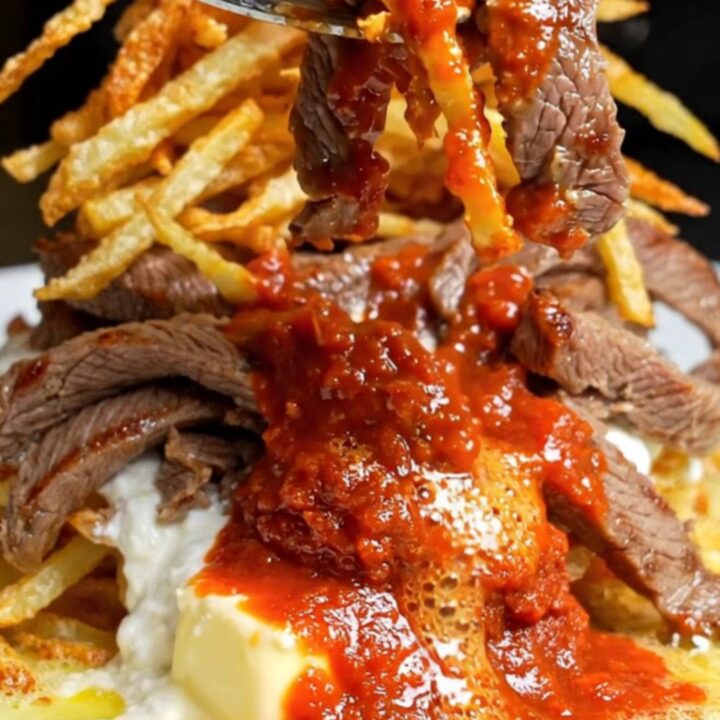
Crispy Turkish Çökertme Kebabı with Garlic Yogurt
Ingredients
- 400 g beef tenderloin, cut into matchsticks
- 3 large russet potatoes, julienned
- 2 cups plain full-fat yogurt
- 3 cloves garlic, minced
- 1 tsp salt, divided
- 1/2 tsp black pepper, freshly ground
- 2 tbsp olive oil
- 2 tbsp butter
- 1 tbsp tomato paste
- 1 tsp Turkish pul biber (Aleppo pepper flakes)
- Vegetable oil, for deep frying, to taste
Instructions
- Cut the potatoes into thin matchsticks, about 1/8 inch thick. Soak them in cold water for 10 minutes, then drain and pat thoroughly dry with a clean kitchen towel. Heat 2 inches of vegetable oil in a deep pot to 350°F (175°C). Working in batches, fry the potatoes for about 4 minutes until golden and crisp. Remove with a slotted spoon and drain on paper towels. Season lightly with salt while hot.
- In a small bowl, stir the yogurt with the minced garlic and a pinch of salt. Mix well and refrigerate until needed. The yogurt should be cold and thick, with a pronounced garlic flavor.
- Pat the beef tenderloin strips dry and season with salt and black pepper. Heat a large skillet over high heat and add the olive oil. When the oil shimmers, add the beef in a single layer. Sear for 2-3 minutes without moving until nicely browned on one side, then toss and cook for another minute until just cooked through. Remove from the skillet and set aside. Let it rest for 3 minutes before slicing.
- In the same skillet, reduce the heat to medium and add the butter. When it melts and foams, stir in the tomato paste and pul biber. Cook for 1-2 minutes, stirring constantly, until the mixture is fragrant and a deep red. The sauce should be sizzling and aromatic.
- Spread the crispy matchstick potatoes on a large serving platter. Spoon the cold garlic yogurt evenly over the potatoes. Top with the seared beef strips. Pour the hot tomato butter sauce over the beef and potatoes. Serve immediately, ensuring each portion gets some of each layer. Let it rest for 3 minutes before slicing.
Estimated nutrition per serving
- Calories
- 680
- Protein
- 32 g
- Carbohydrates
- 45 g
- Fat
- 40 g
Next recipe
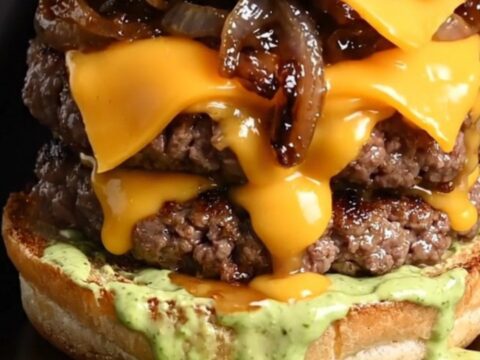
Japanese Wagyu Smash Burger with Wasabi Aioli
See the recipe → →This recipe is based on a short cooking video and is published under the pen name Clara Weller. It was checked before publication, but errors can slip through. Nutrition, when shown, is an estimate. Read more in our editorial policy and on our food safety page.
More recipes to try
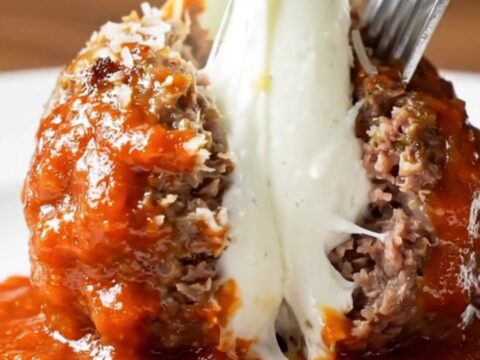
Giant Stuffed Buffalo Mozzarella Meatballs with Molten Cheese Pull
Total time: 45 min
Creamy Cajun Sausage & Shrimp Penne Skillet
Total time: 25 min
Crispy Korean Honey Butter Popcorn Chicken
Total time: 45 min
Birria Bao Buns with Melted Cheese & Hot Consommé
Total time: 45 min
Authentic Turkish Adana Kebab with Charred Tomatoes & Sumac Onions
Total time: 1 h