Dinner · Part 3 of 3: Tips & recipe card
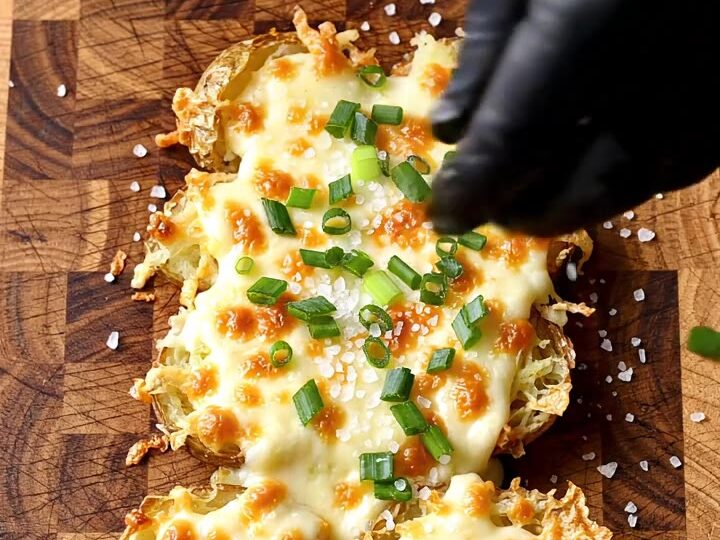
Crispy Smashed Potatoes with Melted Raclette Cheese Tips, FAQ & printable recipe
- Prep
- Cook
- Total
- Serves
- 4
Tips for success
Dry the boiled potatoes thoroughly before smashing and frying. Steaming them for a minute in the colander removes surface moisture, which is the difference between a crisp crust and a soft, greasy one. Use paper towels to pat dry any remaining moisture on the discs before they touch the fat.
Shred the raclette cold and grate it just before cooking. Cold cheese grates cleanly and forms the fluffy mounds that melt evenly over the potatoes. Pile it generously, because it shrinks as it melts, and a thin layer will not give you the long, dramatic pulls the dish is known for.
Variations
- Rosemary and lemon: Add a few strips of lemon zest to the butter and oil with the garlic and rosemary. The bright citrus lifts the rich cheese and makes each bite feel lighter on the palate.
- Gruyère swap: Use grated Gruyère or Swiss cheese in place of raclette. Both melt smoothly and stretch well, giving a nuttier, slightly sharper finish over the crisp potatoes.
- Extra garlic: Double the crushed garlic and add it to the pan in the last minute of frying. The garlic turns golden and sweet, deepening the flavor of the buttery crust and the molten cheese on top.
- Smaller potatoes: Use the tiniest baby potatoes and smash them whole. They create more crisp edges per bite and cook faster, which suits a casual serving on a board.
Storage and make-ahead
- Fridge
- Store leftovers in an airtight container in the refrigerator for up to three days, and cool them within two hours first.
- Reheat
- Reheat in a covered skillet over medium-low heat until the cheese melts again and the potatoes warm through, about 5 minutes.
Leftovers keep best in a shallow airtight container once they have cooled for no more than 2 hours at room temperature. Store the potatoes and the melted cheese together, and keep the green onions and flaky salt separate if you saved them. Refrigerate promptly so the cheese does not sit out.
The crust will soften in storage, but the flavors stay good for up to three days. Separate the potatoes from any sauce or extra toppings so they do not turn soggy. When reheating, a skillet gives the best results because it restores some of the crispness that the container removes.
You can boil and smash the potatoes up to a day ahead to save time on the evening you cook. Cover the smashed discs loosely and refrigerate them on a sheet pan lined with paper towels so they stay dry. Grate the raclette and keep it in a sealed bag in the refrigerator. Slice the green onions and store them in a damp paper towel.
When you are ready to serve, bring the potatoes back to room temperature for about 15 minutes so they fry evenly, then follow the frying and melting steps as written. The cooking itself takes only about fifteen minutes, so preparing the components in advance makes the final dish quick and reliable.
Serving ideas
Serve the potatoes straight from the cast iron skillet at the table, where the cheese is still molten and the crust is at its crispest. Lift the first pieces with tongs so guests see the long cheese pulls.
A simple green salad with a sharp vinaigrette cuts through the richness of the cheese and balances the buttery potatoes. Add a small bowl of cornichons or pickled vegetables for a tangy contrast that suits the raclette well.
For a relaxed dinner, pair the dish with cold sparkling water, a crisp white wine or a light lager, which all refresh the palate between bites. Set out extra flaky salt, sliced green onions and fresh rosemary in small bowls so everyone can finish their plate to taste.
The potatoes also make a generous side for grilled sausages or roast chicken, though they are satisfying enough to stand alone as a shared dish at a casual gathering.
Frequently asked questions
Can the potatoes be smashed ahead of time?
Why are your potato edges soft instead of crisp?
Can raclette be replaced with another cheese?
Is this dish suitable for a vegetarian meal?
How do you keep the cheese from burning on the bottom?
Crispy Smashed Potatoes with Melted Raclette Cheese

Ingredients
- 2 lb baby potatoes, scrubbed
- 8 oz raclette cheese, rind removed, for grating
- 6 cloves garlic, peeled and lightly crushed
- 3 sprigs fresh rosemary
- 3 green onions, thinly sliced, for serving
- 3 tbsp unsalted butter
- 3 tbsp neutral oil, such as canola
- kosher salt, to taste
- flaky salt, for serving
Instructions
- Place the baby potatoes in a large pot, cover with cold water and add a generous pinch of kosher salt. Bring to a boil, then simmer until a knife slides into the centers with little resistance. Drain well and let them steam dry in the colander.
- Peel the garlic cloves and lightly crush them with the flat of your knife. Grate the raclette over a box grater so it falls in a fluffy mound. Pull the rosemary leaves from the woody stems and slice the green onions thinly.
- Place each boiled potato on the wooden board and press it with a potato masher or the bottom of a glass until it flattens into a thick disc. Slice a few larger potatoes in half with a chef's knife if needed so they flatten evenly.
- Heat the oil and butter in a cast iron skillet over medium-high heat until the butter foams. Add the smashed potatoes in a single layer with the garlic and rosemary. Fry without moving them for 5 to 6 minutes, then flip and fry until the edges turn deep golden and crisp.
- Reduce the heat to medium-low. Pile the grated raclette generously over the potatoes, covering them as much as possible. Cover the skillet and let the cheese melt for 2 to 3 minutes until it bubbles and softens.
- Uncover the skillet and cook for 1 to 2 minutes more, until the cheese browns in spots and the potato edges stay crisp. Lift the potatoes with tongs to show the long cheese pulls. Scatter the sliced green onions and flaky salt over the top and serve from the skillet or a board.
Estimated nutrition per serving
- Calories
- 620
- Protein
- 24 g
- Carbohydrates
- 44 g
- Fat
- 38 g
- Fiber
- 4 g
- Sugar
- 3 g
- Sodium
- 820 mg
Next recipe
Blistered Tomato Gnocchi with Molten Brie in One Skillet
See the recipe → →This recipe is based on a short cooking video and is published under the pen name Clara Weller. It was checked before publication, but errors can slip through. Nutrition, when shown, is an estimate. Read more in our editorial policy and on our food safety page.
More recipes to try
Miso Butter Halibut Skillet with Shiitake and Bok Choy
Total time: 26 min
Tuscan Salmon and Scallops in Vodka Cream Sauce: One Skillet Dinner
Total time: 30 min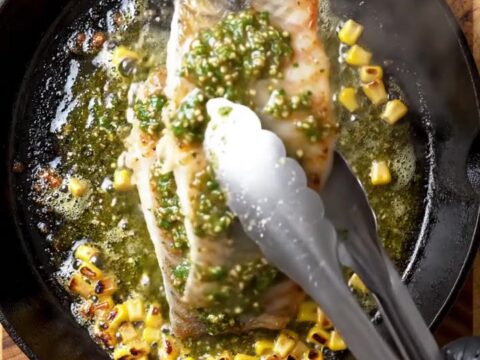
Pan-Seared Sea Bass with Chimichurri and Charred Corn in One Skillet
Total time: 25 min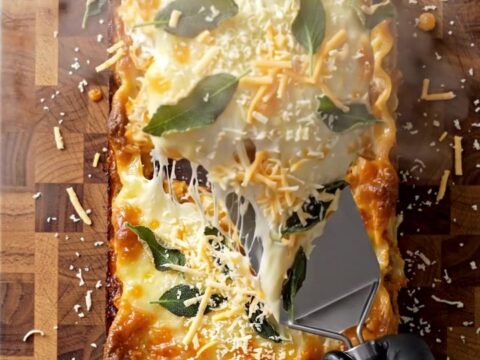
Butternut Squash Sage Lasagna Skillet in One Pan
Total time: 1 h 10 min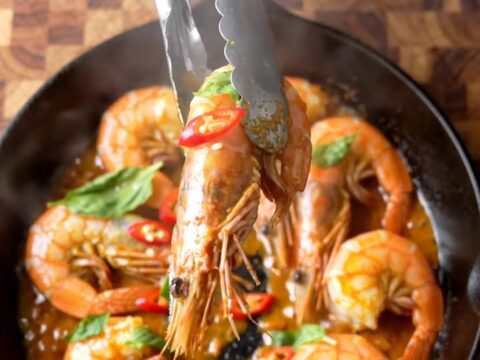
Thai Coconut Curry Prawns in One Skillet, Fresh and Glossy
Total time: 37 min