Dinner · Part 3 of 3: Tips & recipe card
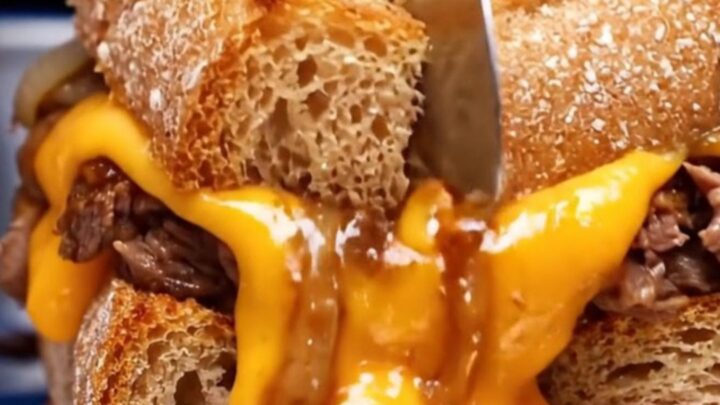
Crispy Philly Cheesesteak Sourdough Patty Melt Tips, FAQ & printable recipe
- Prep
- Cook
- Total
- Serves
- 2
Tips for success
For the crispiest crust, use a heavy cast-iron skillet or a flat-top griddle that retains heat well.
Preheat it thoroughly before adding the sandwiches, and don't be tempted to move them around—let them cook undisturbed to develop a deep golden crust. Pressing gently with a spatula helps the bread make full contact with the pan.
If you prefer a spicier kick, add a few dashes of hot sauce to the cheddar sauce or sprinkle red pepper flakes over the filling.
You can also add sautéed mushrooms or bell peppers, but keep in mind they will add extra moisture. To keep the sandwich from getting soggy, cook them until they are very dry before adding to the meat.
Variations
- Spicy Jalapeño: Add sliced pickled jalapeños to the sandwich before griddling. The heat and acidity cut through the richness, adding a bright, spicy kick.
- Mushroom Swiss: Sauté 4 oz sliced mushrooms with the onions and use Swiss cheese instead of provolone. The earthy mushrooms pair beautifully with the beef.
- Pepperoncini & Provolone: Add a handful of sliced pepperoncini to the filling for a tangy, slightly spicy twist. Use provolone dolce for a milder flavor.
- Breakfast Style: Top the sandwich with a fried egg (cooked until set) for a hearty breakfast version. Serve with hash browns on the side.
Storage and make-ahead
- Fridge
- Store leftover sandwiches in an airtight container in the refrigerator for up to 2 days. Reheat in a skillet over medium heat to restore crispness.
- Freezer
- Wrap the assembled, uncooked sandwiches tightly in plastic wrap and freeze for up to 1 month. Cook from frozen, adding a few minutes to the griddle time.
- Reheat
- Reheat leftover sandwiches in a skillet over medium heat for 2-3 minutes per side, or until heated through and the bread is crisp. Avoid microwaving.
Leftover sandwiches can be stored in an airtight container in the refrigerator for up to 2 days. To reheat, place them in a skillet over medium heat for 2-3 minutes per side, or until heated through and the bread is crisp again. Avoid microwaving, as it will make the bread soggy.
The garlic butter can be made up to 3 days in advance and stored in the refrigerator. The ribeye can be shaved and refrigerated for up to 24 hours before cooking.
The cheddar cheese sauce can be made ahead and warmed before assembling. Assemble the sandwiches just before cooking to prevent the bread from becoming soggy.
Serving ideas
Serve these patty melts hot, straight from the skillet, with a side of crispy fries, onion rings, or a simple green salad.
The richness of the sandwich pairs well with a tangy pickled vegetable or a crisp, acidic slaw. For a classic diner experience, serve with a side of au jus for dipping.
This sandwich is best enjoyed immediately, while the bread is crisp and the cheese is molten. If serving to a crowd, keep the cooked sandwiches warm in a 200°F (93°C) oven on a wire rack to maintain crispness. Cut them in half to show off the gooey interior and make them easier to handle.
Frequently asked questions
Can the ribeye be substituted with another cut of beef?
What is the best way to shave ribeye paper-thin?
Can this recipe be made without a mandoline?
Why does the cheese sauce need to be warm before adding?
Can the sandwiches be made ahead and reheated?
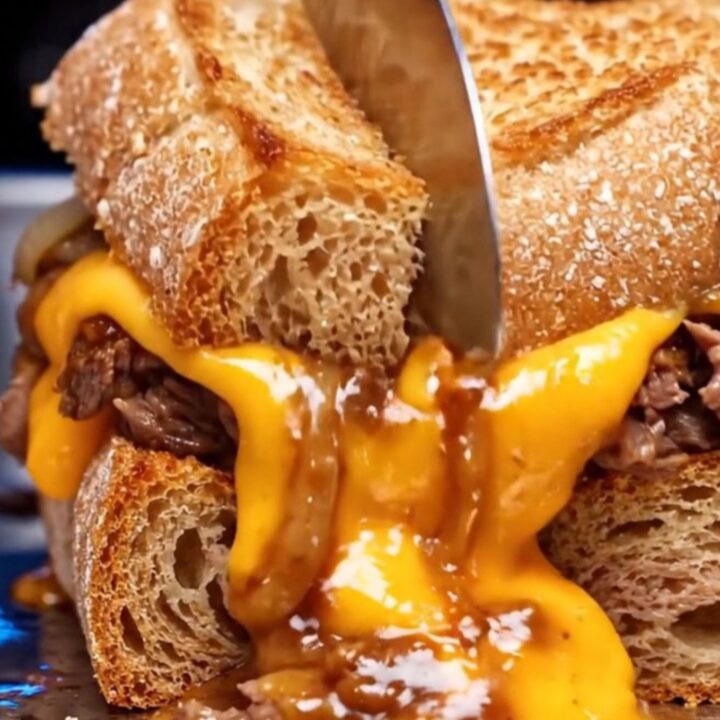
Crispy Philly Cheesesteak Sourdough Patty Melt
Ingredients
- 6 oz frozen ribeye steak, shaved paper-thin
- 1/2 sweet yellow onion, diced
- 2 slices sharp provolone
- 2 tbsp warm cheddar cheese sauce
- 4 slices sourdough bread
- 2 tbsp unsalted butter, softened
- 1 clove garlic, minced
- Kosher salt, to taste
- Freshly ground black pepper, to taste
Instructions
- Place the frozen ribeye on a cutting board and shave it paper-thin using a mandoline or a very sharp knife. If using a mandoline, work carefully and use the guard. Dice the sweet onion into small, even pieces. In a small bowl, combine the softened butter and minced garlic, mashing with a fork until well blended. Season the shaved ribeye lightly with salt and pepper.
- Spread the garlic butter evenly on one side of each sourdough slice. Set aside. The buttered sides will face out when assembling the sandwiches, creating a crispy golden crust when griddled.
- Heat a large cast-iron skillet or griddle over high heat until it reaches 475°F (246°C). Add the shaved ribeye and diced onions in a single layer. Sear undisturbed for 90 seconds, allowing the meat to develop a deep brown crust. Stir once and continue cooking until the onions are translucent and the ribeye is cooked through. Let it rest for 3 minutes before slicing.
- Reduce the heat to medium. Lay the provolone slices over the ribeye and onions. Let the cheese melt, about 1 minute. Drizzle the warm cheddar cheese sauce over the top and gently fold the mixture to combine, ensuring the cheese coats the meat and onions.
- Remove the skillet from heat. Divide the ribeye-cheese mixture evenly between two slices of sourdough, placing it on the unbuttered side. Top each with the remaining sourdough slices, buttered side up. Press down gently to compact the filling.
- Wipe the skillet clean and return to medium heat. Place the sandwiches in the skillet, buttered side down. Cook for 2 to 3 minutes, pressing occasionally with a spatula, until the bread is golden brown and crisp. Carefully flip and cook the other side for another 2 to 3 minutes, until both sides are deeply browned and the cheese is melted.
- Transfer the sandwiches to a cutting board and let rest for 2 minutes. This allows the cheese to set slightly and prevents it from running out when cutting. Slice each sandwich in half crosswise, exposing the molten cheese and steak. Serve hot.
Estimated nutrition per serving
- Calories
- 680
- Protein
- 38 g
- Carbohydrates
- 35 g
- Fat
- 42 g
Next recipe
Smoked Gouda and Bacon Mac and Cheese
See the recipe → →This recipe is based on a short cooking video and is published under the pen name Clara Weller. It was checked before publication, but errors can slip through. Nutrition, when shown, is an estimate. Read more in our editorial policy and on our food safety page.
More recipes to try
Crispy Spicy Chorizo and Sweet Plantain Cuban Melt
Total time: 25 min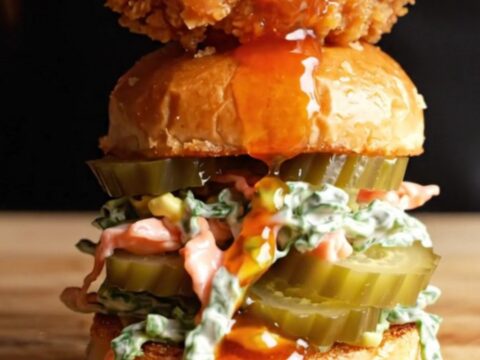
Nashville Hot Chicken Sliders with Honey Butter Drip
Total time: 30 min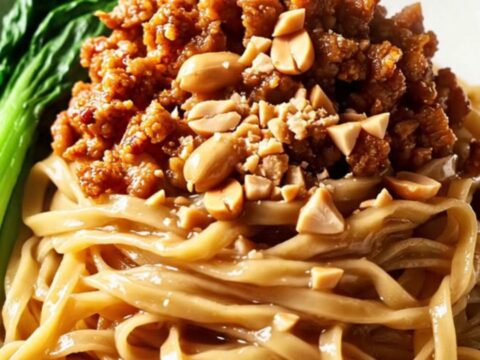
15-Minute Spicy Peanut Dan Dan Noodles with Crispy Pork
Total time: 15 min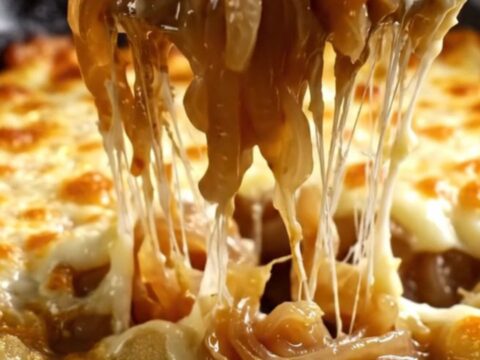
French Onion Gnocchi Gratin with Melted Gruyère
Total time: 1 h 5 min
Ultimate Crispy British Roast Potatoes with Beef Dripping
Total time: 1 h 20 min