Dinner · Part 1 of 3: Ingredients
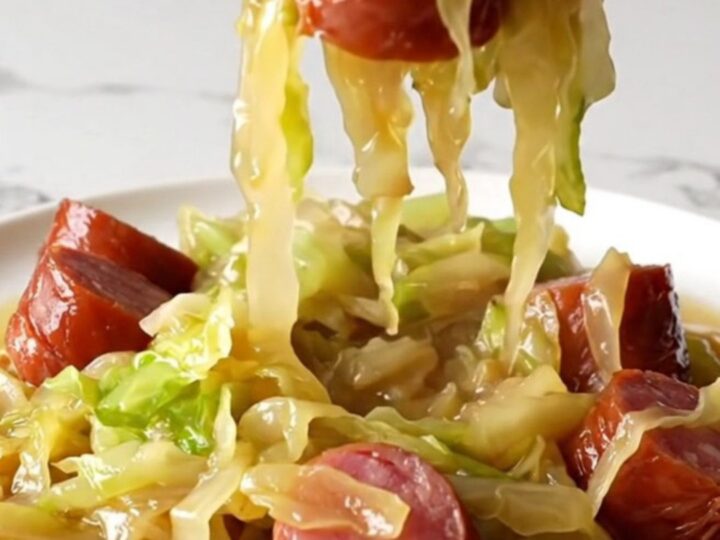
Slow Cooker Brown Butter Cabbage and Kielbasa
- Prep
- Cook
- Total
- Serves
- 4
Transform humble ingredients into a luxurious, comforting meal with this slow cooker cabbage and kielbasa recipe. By utilizing the slow cooker, the cabbage becomes exceptionally tender and buttery, absorbing all the savory notes from the smoked sausage and garlic. It is the perfect low-effort dinner for busy days when you want something warm, filling, and deeply flavorful without spending hours in the kitchen. Just set it and let it cook to perfection.
This dish relies on the power of slow cooking to turn simple green cabbage into a melt-in-your-mouth experience. By combining the natural sweetness of cabbage with the smoky, salty bite of kielbasa and the rich, nutty depth of browned butter, you create a complex flavor profile that feels far more indulgent than the ingredient list suggests.
It is a rustic, hearty, and wholesome meal that highlights how effective slow cooking can be for vegetables, allowing them to gently braise in their own juices alongside aromatic garlic and savory broth.
Ingredients
- 1 head green cabbage, cut into thick wedges
- 1 lb smoked kielbasa, sliced into coins
- 3 cloves garlic, minced
- 4 tbsp unsalted butter, browned
- 1/2 cup chicken broth
Why this recipe works
The slow cooker method is ideal for cabbage because it allows the tough, fibrous leaves to break down slowly, resulting in a buttery, tender texture that is impossible to achieve with quick sautéing.
As the cabbage cooks, it releases its own natural moisture, which mingles with the chicken broth and the rendered fat from the kielbasa, creating a self-basting environment that keeps the dish moist and incredibly flavorful throughout the entire cooking duration.
Brown butter adds a crucial layer of complexity to this recipe. By browning the butter before adding it to the slow cooker, you introduce toasted, nutty notes that balance the sharpness of the garlic and the smokiness of the sausage.
This simple step elevates the dish from a basic boiled meal to something rich and sophisticated. The broth acts as a vehicle, carrying the brown butter flavor deep into the layers of the cabbage as it softens over several hours.
Notes and substitutions
Choose a firm, heavy head of green cabbage for the best results. The density of the cabbage ensures it holds its shape during the long cooking time without turning into mush. Fresh garlic is highly recommended over jarred versions to ensure the most vibrant, pungent aroma that cuts through the richness of the butter and sausage. If you prefer a milder flavor, adjust the garlic amount, but do not omit it entirely as it is essential for the base flavor.
For the best texture, ensure your kielbasa is sliced into uniform coins. This allows the heat to penetrate evenly and ensures that every serving has the same ratio of sausage to cabbage.
If your slow cooker has a tendency to run hot, check the cabbage after three hours of cooking. The dish is finished when the cabbage is fork-tender and the sausage is heated through. Feel free to use a low-sodium broth if you prefer to control the salt levels of the final dish.
- chicken broth: vegetable broth or dry white wine for a different flavor profile
- smoked kielbasa: any pre-cooked smoked sausage, such as andouille or turkey sausage
Equipment
- Slow cooker
- Small saucepan for browning butter
- Sharp chef's knife
- Cutting board
- Garlic press or knife
Up next · Part 2 of 3
3 steps · 4 h of cooking · what to look for at each stage
Step-by-step instructions (Part 2)