Appetizers · Part 3 of 3: Tips & recipe card
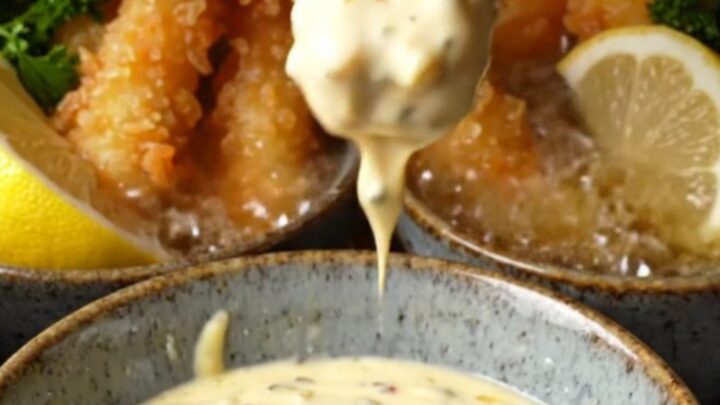
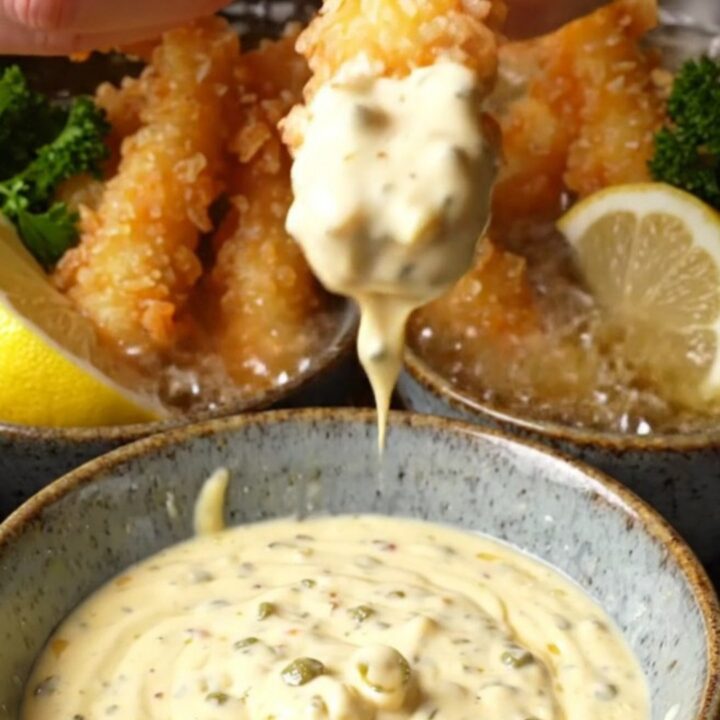
Crispy Panko Calamari Steak Strips with Lemon Caper Aioli Tips, FAQ & printable recipe
- Prep
- Cook
- Total
- Serves
- 4
Tips for success
For the crispiest results, use Japanese panko breadcrumbs, which are larger and flakier than regular breadcrumbs. They create a light, airy crust that stays crunchy longer.
Make sure the oil is at the correct temperature before adding the calamari—use a thermometer to avoid guesswork. Fry in small batches, about 5-6 strips at a time, so the oil temperature doesn't drop too much. This ensures even browning and a crisp texture.
Serve the calamari immediately after frying, as the crust will soften over time. If you need to keep it warm for a few minutes, place the strips on a wire rack set over a baking sheet in a 200°F (95°C) oven, but don't hold them for more than 10-15 minutes.
The lemon caper aioli can be made ahead and refrigerated; bring it to room temperature slightly before serving. For extra brightness, add a pinch of lemon zest on top just before serving.
Variations
- Spicy Sriracha Aioli: Add 1-2 tablespoons of sriracha to the lemon caper aioli for a spicy kick. Adjust the amount to your heat preference. This variation adds a lovely kick that pairs well with the crispy calamari.
- Herb-Crusted Calamari: Mix 1 tablespoon of finely chopped fresh parsley and 1 teaspoon of dried oregano into the panko breadcrumbs before breading. The herbs add a fragrant note that enhances the seafood flavor.
- Lemon Pepper Calamari: Add 1 teaspoon of lemon zest and 1/2 teaspoon of freshly ground black pepper to the seasoned flour. This brightens the flavor and adds a subtle citrus aroma to the crust.
- Garlic Parmesan Crust: Mix 2 tablespoons of grated Parmesan cheese and 1 teaspoon of garlic powder into the panko breadcrumbs. This adds a savory, cheesy depth that is irresistible.
Storage and make-ahead
- Fridge
- Store leftover fried calamari in an airtight container in the refrigerator for up to 2 days. The aioli can be refrigerated separately for up to 3 days.
- Freezer
- Fried calamari strips can be frozen for up to 1 month. Reheat directly from frozen in a 400°F (200°C) oven for 8-10 minutes.
- Reheat
- To reheat, place the calamari strips on a baking sheet in a 400°F (200°C) oven for 5-7 minutes until hot and crisp.
Leftover fried calamari strips can be stored in an airtight container in the refrigerator for up to 2 days. To maintain crispness, place a paper towel in the container to absorb excess moisture.
The lemon caper aioli can be refrigerated separately for up to 3 days. Reheat the calamari in a 400°F (200°C) oven for 5-7 minutes until hot and crisp. Avoid microwaving, as it makes the coating soggy.
The lemon caper aioli can be prepared up to 2 days in advance and stored in the refrigerator. The calamari steaks can be cleaned, scored, and cut into strips a day ahead; keep them covered in the refrigerator.
However, breading should be done just before frying, as the coating can become soggy if left too long. You can also set up the breading station ahead of time to streamline the cooking process.
Serving ideas
Serve the crispy calamari strips as an appetizer with the lemon caper aioli on the side for dipping. Arrange them on a platter with lemon wedges and a sprinkle of fresh parsley for a pop of color. They also make a great main course when paired with a crisp green salad or roasted vegetables. For a casual gathering, place the aioli in a small bowl and let guests help themselves.
The bright, tangy aioli complements the rich, fried squid beautifully. For a more substantial meal, serve the calamari over a bed of dressed greens or alongside a crusty baguette. The strips are also delicious tucked into a soft roll with lettuce and tomato for a seafood sandwich. No matter how you serve them, these crispy calamari strips are sure to be a hit.
Frequently asked questions
What are calamari steaks?
Can this recipe be made ahead of time?
Why does the breading fall off?
Can this be made gluten-free?
What oil is best for frying calamari?
Crispy Panko Calamari Steak Strips with Lemon Caper Aioli
Ingredients
- 400 g tenderized calamari steaks
- 1/2 cup all-purpose flour
- 2 large eggs, beaten
- 2 cups Japanese panko breadcrumbs
- 1 tsp kosher salt
- 1/2 tsp black pepper
- 2 cups vegetable oil, for frying
- 1/2 cup mayonnaise
- 1 lemon, zested and juiced
- 2 tbsp capers, drained and chopped
- 1 clove garlic, minced
Instructions
- Pat the calamari steaks completely dry with paper towels. Score the surface in a light crosshatch pattern, then cut into 1/2-inch-thick strips. Season with salt and pepper. In a small bowl, whisk together mayonnaise, lemon zest and juice, capers, and garlic. Cover and refrigerate until serving.
- Place the flour in a shallow dish. Beat the eggs in a second dish. Put the panko in a third dish. Working with a few strips at a time, dredge the calamari in flour, shaking off any excess. Dip into the beaten egg, letting the excess drip off, then press firmly into the panko, coating all sides. Transfer to a plate and repeat with the remaining strips.
- Pour the vegetable oil into a large heavy-bottomed pot, leaving at least 2 inches of space from the top. Heat over medium-high until a deep-fry thermometer registers 350°F (175°C). Adjust the heat to maintain the temperature while frying.
- Carefully add the breaded calamari strips to the hot oil in small batches, without crowding. Fry for 90 seconds, turning occasionally, until golden amber and buoyant. The internal temperature of the squid should reach 145°F (63°C). Use a spider skimmer to transfer the fried strips to a paper towel-lined plate. Repeat with the remaining strips.
- Let the fried calamari strips drain briefly on paper towels. Serve immediately with the lemon caper aioli on the side for dipping. Enjoy while hot and crisp.
Estimated nutrition per serving
- Calories
- 480
- Protein
- 25 g
- Carbohydrates
- 35 g
- Fat
- 28 g
Next recipe
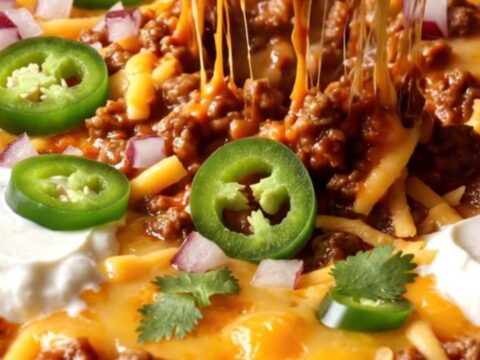
Loaded Skillet Chili Con Carne Dip with Melted Cheddar
See the recipe → →This recipe is based on a short cooking video and is published under the pen name Clara Weller. It was checked before publication, but errors can slip through. Nutrition, when shown, is an estimate. Read more in our editorial policy and on our food safety page.
More recipes to try
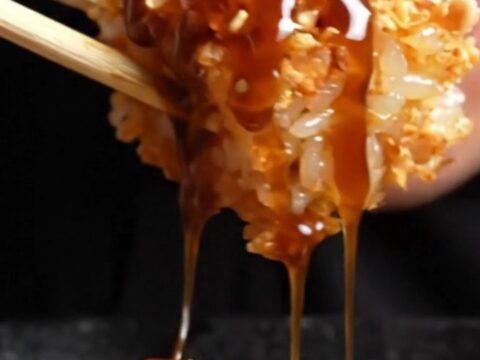
Crispy Rice Salmon Nigiri with Spicy Mayo & Jalapeño
Total time: 1 h 30 min
Cheesy Garlic Butter Pull-Apart Pizza Monkey Bread
Total time: 1 h 2 min
Cheesy Skillet Jalapeño Popper Dip with Crunchy Panko Crust
Total time: 35 min
Crispy Rice Paper Nori Chips with Sea Salt & Togarashi
Total time: 20 min
Triple Cheese Stuffed Garlic Pretzels with Honey Mustard
Total time: 1 h 44 min