Desserts · Part 3 of 3: Tips & recipe card
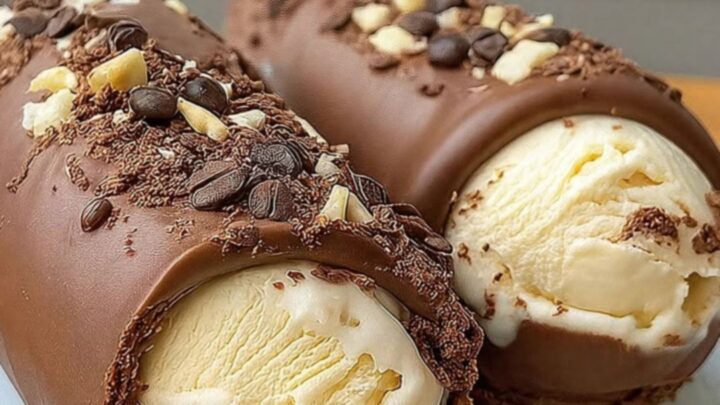
Crispy Chocolate Ice Cream Logs for an Easy Indulgent Dessert Tips, FAQ & printable recipe
- Prep
- Cook
- Total
- Serves
- 8
Tips for success
For a cleaner slice, run your knife under hot water and wipe it dry before cutting into the chocolate logs. The heat from the blade will help the knife glide through the chocolate shell without causing it to shatter unevenly, resulting in beautiful portions for every guest.
Experiment with different toppings to customize your logs. Crushed peppermint candies, dried fruit, or even a light dusting of sea salt can add interesting layers of flavor.
Always add these toppings while the chocolate is still wet to ensure they stay in place once the shell has fully hardened.
Variations
- White Chocolate Raspberry: Substitute the semisweet chocolate with high-quality white chocolate and add a handful of freeze-dried raspberries to the topping for a vibrant, tangy contrast.
- Mocha Crunch: Add one teaspoon of instant espresso powder to the chocolate mixture before melting. Garnish with crushed chocolate-covered coffee beans for an extra caffeine kick.
Storage and make-ahead
- Fridge
- These logs are not suitable for refrigerator storage as the ice cream will melt and the chocolate shell will lose its crisp texture.
- Freezer
- Store in the freezer for up to 2 weeks in an airtight container to maintain quality.
Store the finished ice cream logs in an airtight container or wrap them securely in parchment paper and place them in a freezer-safe bag.
This prevents the ice cream from developing ice crystals and keeps the chocolate shell crisp. Consume within two weeks for the best flavor and texture.
These logs are an excellent make-ahead dessert. You can prepare the ice cream logs and keep them in the freezer for several days before coating. Once coated, they can remain in the freezer for up to two weeks, making them a convenient option for stress-free party planning.
Serving ideas
Serve the logs directly from the freezer to ensure the chocolate shell remains crisp.
Place the entire log on a platter and slice it at the table for a dramatic presentation that showcases the satisfying crack of the shell. A simple garnish of fresh berries on the side adds a bright, acidic contrast.
Pair each slice with a small spoonful of fruit coulis or whipped cream if desired, though the richness of the chocolate and vanilla is often enough on its own.
Provide small dessert forks to make it easier for guests to enjoy the combination of the hard shell and the soft ice cream.
Frequently asked questions
Can these logs be made with dairy-free ice cream?
Why is the chocolate shell not snapping?
How can the logs be kept from melting while coating?
Crispy Chocolate Ice Cream Logs for an Easy Indulgent Dessert
Ingredients
- 1 quart premium vanilla ice cream, slightly softened
- 12 oz semisweet chocolate, chopped
- chocolate shavings for serving
- chopped nuts for serving
Instructions
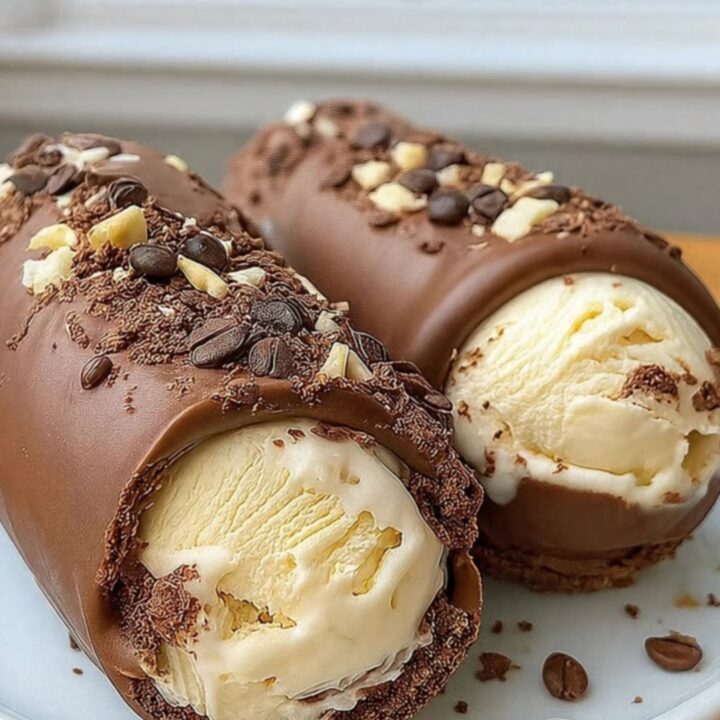
- Place the softened vanilla ice cream onto a sheet of plastic wrap and use your hands to shape it into two cylinder-shaped logs. Wrap each log tightly in the plastic wrap and freeze for at least one hour until firm enough to handle.
- Melt the chopped semisweet chocolate using a double boiler over low heat. Stir the mixture continuously until completely smooth and glossy, then remove from the heat and allow it to cool slightly so it does not melt the ice cream too quickly.
- Remove the frozen ice cream logs from the plastic wrap and place them on a parchment-lined baking sheet. Pour the melted chocolate over the logs, ensuring they are fully covered. Immediately sprinkle with chocolate shavings and chopped nuts before the chocolate shell hardens completely. Return to the freezer until ready to serve.
Estimated nutrition per serving
- Calories
- 370
- Protein
- 4 g
- Carbohydrates
- 30 g
- Fat
- 25 g
- Fiber
- 2 g
- Sugar
- 26 g
- Sodium
- 40 mg
Next recipe
Creamy Chocolate Layered Dessert
See the recipe → →This recipe is based on a short cooking video and is published under the pen name Clara Weller. It was checked before publication, but errors can slip through. Nutrition, when shown, is an estimate. Read more in our editorial policy and on our food safety page.
More recipes to try
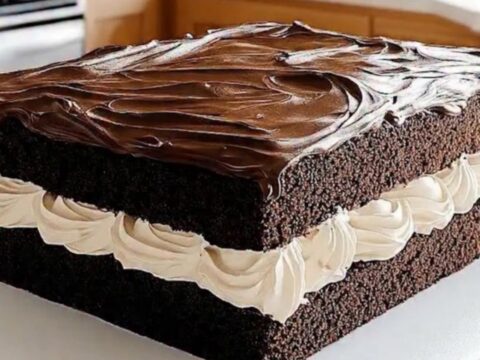
Decadent Chocolate Ding Dong Sheet Cake with Cream Filling
Total time: 1 h 25 min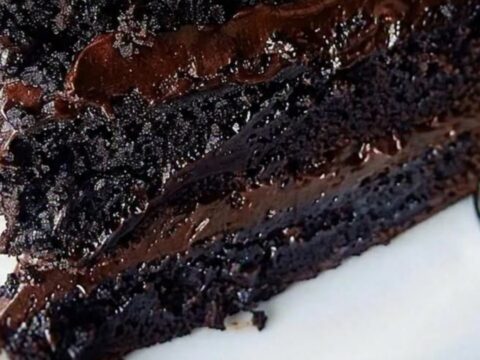
Rich Fudge Heaven Cake with Glossy Frosting
Total time: 1 h 25 min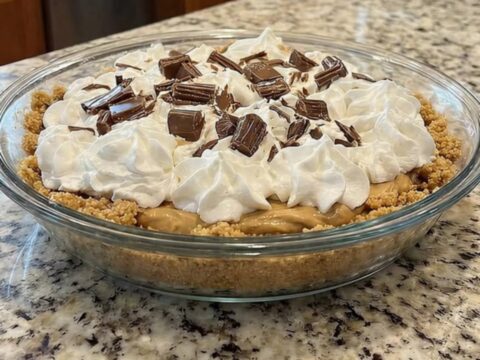
Creamy No-Bake Peanut Butter Pie
Total time: 4 h 20 min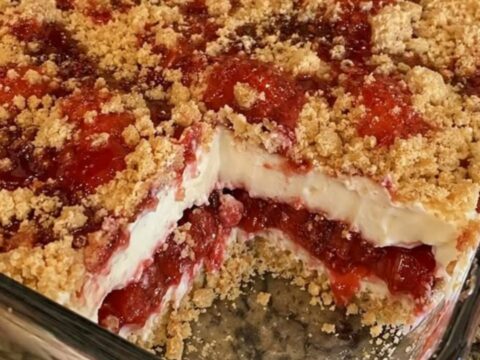
Easy Strawberry Cheesecake Dump Cake with a Golden Crust
Total time: 1 h 10 min
Creamy No-Bake Chocolate Biscuit Icebox Cake
Total time: 4 h 30 min