Dinner · Part 3 of 3: Tips & recipe card
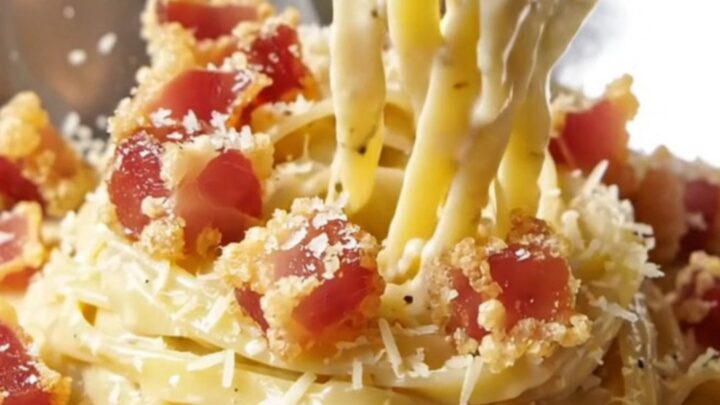
Creamy Truffle Fettuccine Carbonara with Crispy Guanciale Tips, FAQ & printable recipe
- Prep
- Cook
- Total
- Serves
- 4
Tips for success
For the silkiest sauce, use the freshest eggs you can find, and bring them to room temperature before whisking. Cold eggs can cause the sauce to seize.
When you add the egg mixture to the pasta, keep the skillet off the heat and toss with a light hand—this allows the residual heat to cook the eggs gently. If the sauce seems too thick, add a splash of pasta water and toss again; the starch will help it flow.
The pasta water is your secret weapon. It is salted and starchy, which seasons the sauce and helps it cling. Reserve more than you think you need—usually at least a cup.
If you run out, you can use warm water, but the sauce may be less stable. Also, grate the Pecorino finely so it melts quickly; pre-shredded cheese contains anti-caking agents that can make the sauce grainy.
Variations
- Classic No-Truffle: Omit the black truffle paste for a traditional Roman carbonara. The dish will still be deeply savory, with the guanciale, Pecorino, and black pepper shining through.
- Mushroom Carbonara: Sauté 8 oz sliced cremini mushrooms in the guanciale fat until browned, then toss with the pasta and sauce. Add a tablespoon of chopped parsley at the end for freshness.
- Spicy Carbonara: Add 1/2 teaspoon red pepper flakes to the egg mixture along with the black pepper. The heat cuts through the richness and pairs well with the truffle.
- Pea and Prosciutto: Fold in 1 cup thawed frozen peas and 2 oz chopped prosciutto (not cooked) along with the guanciale. The sweetness of the peas balances the saltiness.
Storage and make-ahead
- Fridge
- Refrigerate leftovers in an airtight container for up to 2 days. Reheat gently with a splash of water or milk.
- Freezer
- Not recommended; the egg-based sauce may separate and become watery when thawed.
- Reheat
- Reheat in a skillet over low heat, adding a splash of water or milk and tossing until warmed through. Avoid microwaving, which can make the sauce grainy.
Store leftover carbonara in an airtight container in the refrigerator for up to 2 days. The sauce will thicken as it cools; when reheating, add a splash of water or milk to restore the creamy texture. Do not freeze carbonara—the egg-based sauce will separate and become watery when thawed.
You can prepare the guanciale and the egg mixture a few hours ahead. Cook the guanciale until crisp, store it in the refrigerator, and reheat it gently before assembling.
Whisk the eggs, Pecorino, truffle paste, and pepper in a bowl, cover, and refrigerate; bring to room temperature before using. Cook the pasta fresh just before serving for the best texture.
Serving ideas
Serve the fettuccine carbonara immediately after tossing, while the sauce is still glossy and warm. Twirl a generous portion onto each plate, creating a neat nest. Top with crispy guanciale, a shower of grated Pecorino Romano, and a final crack of black pepper. The contrast of crunchy pork, creamy pasta, and sharp cheese is the essence of this dish.
Pair with a crisp green salad dressed in lemon vinaigrette to cut the richness, and a glass of dry white wine like Pinot Grigio or a light Chianti.
For a more indulgent meal, serve as a main course with crusty bread to mop up any remaining sauce. This carbonara is substantial enough to stand alone, but the truffle aroma invites a simple, elegant accompaniment.
Frequently asked questions
Why does your carbonara sauce sometimes turn scrambled?
Can this recipe be made without fresh pasta?
Is it safe to eat carbonara with runny eggs?
What can be used instead of guanciale?
How can the sauce be made thicker or thinner?
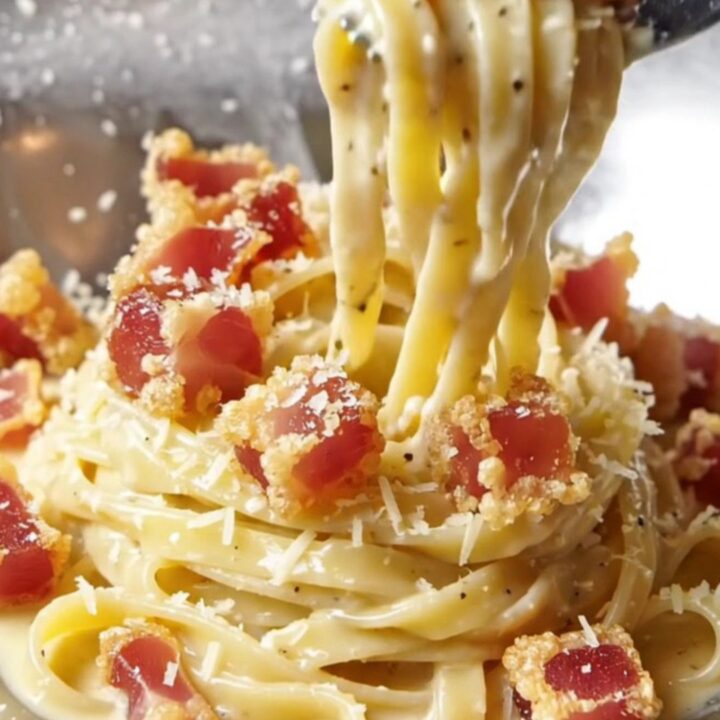
Creamy Truffle Fettuccine Carbonara with Crispy Guanciale
Ingredients
- 12 oz fresh egg fettuccine
- 5 oz guanciale, cut into batons
- 4 large egg yolks
- 1 large egg
- 3/4 cup freshly grated Pecorino Romano
- 1 tbsp black truffle paste
- 1 tsp freshly cracked black pepper
- 1/2 cup starchy pasta water, reserved from cooking
Instructions
- Place the guanciale batons in a cold large skillet. Set over medium heat and cook, stirring occasionally, until the fat renders and the pieces turn golden brown and crisp, about 8 minutes. Use a slotted spoon to transfer the crispy guanciale to a plate, leaving the rendered fat in the skillet. Measure out 2 tablespoons of the fat and return it to the skillet; discard the rest or reserve for another use.
- Bring a large pot of generously salted water to a boil. Add the fresh fettuccine and cook until just al dente, about 2 to 3 minutes. Before draining, reserve at least 1 cup of the starchy pasta water. Drain the pasta (do not rinse) and set aside.
- In a medium bowl, combine the egg yolks, whole egg, grated Pecorino Romano, black truffle paste, and freshly cracked black pepper. Whisk vigorously until the mixture is smooth, well combined, and slightly thickened. Set aside.
- Place the skillet with the reserved guanciale fat over medium-low heat. Add the drained fettuccine and toss with tongs to coat every strand with the fat. Cook for 1 minute, stirring constantly, until the pasta is well coated and heated through.
- Remove the skillet from the heat. Pour the egg mixture over the pasta and toss quickly and continuously with tongs, adding splashes of reserved pasta water (start with 1/4 cup) to create a silky, emulsified sauce. The residual heat will gently cook the eggs and melt the cheese into a glossy cream.
- Add the crispy guanciale batons to the skillet and gently fold them into the pasta, reserving a few for garnish. Toss just until the guanciale is distributed throughout, keeping some pieces intact for texture.
- Twirl portions of the fettuccine onto warm plates using tongs or a pasta fork. Top each serving with the reserved crispy guanciale, an extra grating of Pecorino Romano, and a sprinkle of freshly cracked black pepper. Serve at once.
Estimated nutrition per serving
- Calories
- 680
- Protein
- 25 g
- Carbohydrates
- 55 g
- Fat
- 40 g
Next recipe
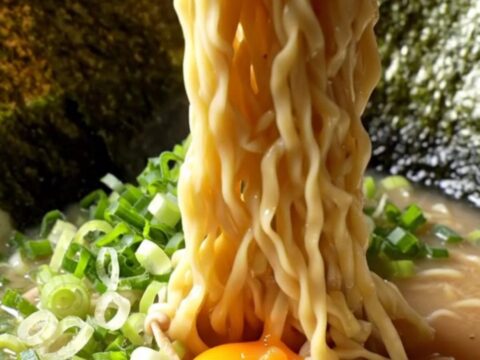
Japanese Tonkotsu Ramen with Chashu & Ajitsuke Tamago
See the recipe → →This recipe is based on a short cooking video and is published under the pen name Clara Weller. It was checked before publication, but errors can slip through. Nutrition, when shown, is an estimate. Read more in our editorial policy and on our food safety page.
More recipes to try
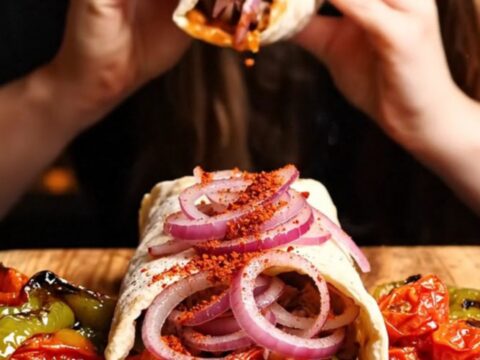
Turkish Lamb Dürüm with Sumac Onion & Grilled Tomato
Total time: 30 min
Loaded Cheesy Jalapeño Bacon Cornbread Skillet
Total time: 37 min
Crispy Ebi Tempura Roll with Spicy Mayo & Eel Sauce
Total time: 40 min
Crispy Honey Garlic Butter Chicken Tenders with Loaded Bacon Fries
Total time: 40 min
Slow-Braised Turkish Güveç: Clay Pot Lamb Stew with Shallots & Peppers
Total time: 3 h 20 min