Dinner · Part 1 of 3: Ingredients
Japanese Tonkotsu Ramen with Chashu & Ajitsuke Tamago
- Prep
- Cook
- Total
- Serves
- 2
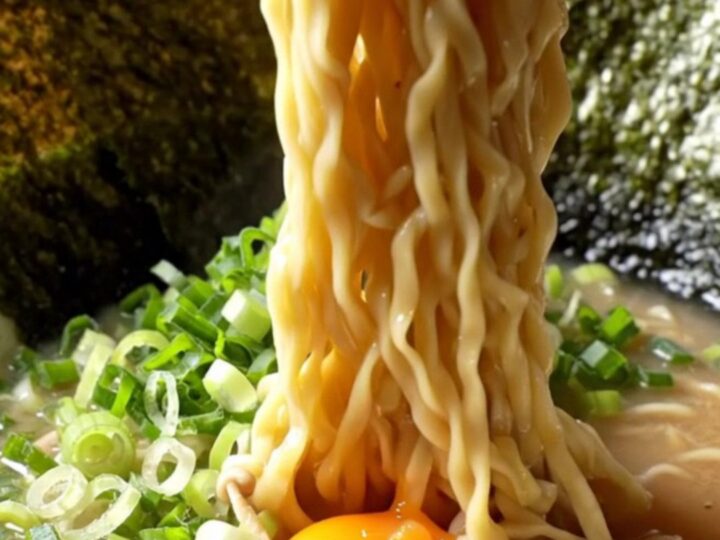
This tonkotsu ramen brings the rich, creamy depth of a 12-hour pork bone broth together with springy noodles, torched chashu, and jammy marinated eggs. Each bowl is a symphony of textures and flavors—silky, savory, and deeply satisfying. With a few prepared components, you can assemble a restaurant-quality bowl at home in minutes.
Tonkotsu ramen is the ultimate comfort food: a milky, porky broth that coats every noodle, tender chashu with caramelized edges, and eggs with glossy, jammy yolks.
This recipe uses a rich, 12-hour tonkotsu broth as the base, and the toppings—torched chashu, wood ear mushrooms, nori, and black garlic oil—elevate it to a bowl you’ll crave. While the broth and chashu take time to prepare, the final assembly is quick, making it perfect for a special dinner or a weekend project.
Ingredients
- 300 g fresh ramen noodles
- 500 ml rich 12-hour pork bone broth (tonkotsu)
- 4 slices rolled braised pork belly chashu
- 2 ramen eggs (ajitsuke tamago), halved
- 2 sheets nori
- 50 g wood ear mushrooms (kikurage)
- 2 tbsp black garlic oil (mayu)
- Chopped scallions, for serving
Why this recipe works
The key to tonkotsu ramen is the broth: a long-simmered pork bone stock that becomes creamy and opaque from the collagen and fat. This recipe uses a rich, 12-hour broth that provides deep umami and a luxurious mouthfeel. The noodles are cooked briefly in boiling water, just until springy, so they retain their bite and don’t turn mushy in the hot broth.
Torching the chashu adds a layer of smoky, caramelized flavor that contrasts with the rich broth—the Maillard reaction creates a crust that’s both savory and slightly sweet.
The jammy eggs, marinated in a soy-based mixture, offer a creamy, savory counterpoint. Each element is designed to balance richness with brightness, and the black garlic oil adds a final note of toasty depth.
Notes and substitutions
For the best results, use fresh ramen noodles, which have a chewy, springy texture that dried noodles can’t match. If you can’t find them, look for refrigerated noodles in the Asian section of your supermarket.
The tonkotsu broth is the soul of the dish—use a high-quality, rich broth, or make your own if you have the time. The chashu should be braised pork belly, rolled and tied, then sliced into thick pieces.
Ajitsuke tamago are soft-boiled eggs marinated in a mixture of soy sauce, mirin, and sugar. If you don’t have them, you can make them ahead or use a soft-boiled egg with a sprinkle of soy sauce.
Wood ear mushrooms have a pleasant crunch; if unavailable, shiitake mushrooms are a good substitute. Black garlic oil (mayu) is available at Asian grocers, or you can make it by slowly burning garlic in oil.
- Fresh ramen noodles: Dried ramen noodles or fresh udon noodles; cook according to package directions.
- Tonkotsu broth: Store-bought tonkotsu ramen broth or a rich chicken broth for a lighter base.
- Chashu pork belly: Braised pork shoulder or store-bought chashu; sear or torch before serving.
- Wood ear mushrooms: Shiitake mushrooms, sliced and sautéed briefly, or omit.
Equipment
- Large pot for boiling noodles
- Noodle basket or strainer
- Kitchen blowtorch
- 2 ramen bowls
- Ladle
- Chopsticks
- Small skillet or pan
Up next · Part 2 of 3
7 steps · 15 min of cooking · what to look for at each stage
Step-by-step instructions (Part 2)