Dinner · Part 2 of 3: Instructions
Japanese Tonkotsu Ramen with Chashu & Ajitsuke Tamago Step-by-step instructions
- Prep
- Cook
- Total
- Serves
- 2
Before you start
Before you start, make sure you have all the prepared components: tonkotsu broth, chashu, ajitsuke tamago, and black garlic oil. If you’re making them from scratch, do that ahead of time—the broth and chashu can be made a day or two in advance.
Set up your bowls, ladle, and chopsticks. Bring a large pot of water to a boil for the noodles. Have the nori, mushrooms, and scallions ready to go.
Ingredients at a glance (8)
- 300 g fresh ramen noodles
- 500 ml rich 12-hour pork bone broth (tonkotsu)
- 4 slices rolled braised pork belly chashu
- 2 ramen eggs (ajitsuke tamago), halved
- 2 sheets nori
- 50 g wood ear mushrooms (kikurage)
- 2 tbsp black garlic oil (mayu)
- Chopped scallions, for serving
Instructions
Noodles and Broth
- Prepare the Broth and NoodlesBring a large pot of water to a rolling boil. Add the fresh ramen noodles and cook for 60 seconds, shaking them in a noodle basket or strainer to separate. Drain thoroughly and divide the noodles between two ramen bowls.Look for Noodles are springy and tender but still firm to the bite.Tip Cook noodles just before serving to keep them from getting soggy.
- Heat the Tonkotsu BrothIn a saucepan, heat the tonkotsu broth over medium-high heat until piping hot, stirring occasionally. Do not let it boil vigorously; keep it at a gentle simmer to preserve the creamy texture.Look for The broth is steaming and smells deeply porky and rich.Tip If the broth separates, whisk it briefly to bring it back together.
- Torch the ChashuArrange the chashu slices on a heatproof surface. Use a kitchen blowtorch to sear the edges until they are charred, bubbling, and intensely fragrant, about 1–2 minutes per side. Alternatively, sear in a hot skillet for 1 minute per side. Let it rest for 3 minutes before slicing.Look for The chashu edges are caramelized with dark char marks and sizzling.Safe temperature 145°F (63°C) internal temperature (steaks, chops and roasts)Tip Torch just before serving so the fat stays warm and melty.
The noodles are cooked and drained, and the broth is steaming in its pot. The kitchen smells of rich pork and toasted sesame. The noodles should be springy and separate, not clumped. The broth should be smooth and creamy, with a gentle simmer.
Toppings and Assembly
- Assemble the BowlsLadle the hot tonkotsu broth over the noodles in each bowl, filling about two-thirds full. Use chopsticks to fold the noodles gently through the broth so they are evenly coated.Look for The noodles are submerged in the milky broth, and the bowl is steaming.Tip Fold rather than stir to keep the noodles from clumping.
- Add the ToppingsPlace the torched chashu slices on top of the noodles. Add the halved ramen eggs, cut side up. Tuck the nori sheets between the bowl edge and the broth so they stand up slightly.Look for The bowl is colorful: charred pork, jammy egg yolks, and deep green nori.Tip Arrange toppings in separate sections for a beautiful presentation.
- Finish with Mushrooms and MayuScatter the wood ear mushrooms over the bowl. Drizzle the black garlic oil (mayu) in a circle over the top, letting it pool slightly. Sprinkle with chopped scallions.Look for The oil swirls into the broth, and the scallions add a fresh green contrast.Safe temperature 160°F (71°C) internal temperature (egg dishes)Tip Add the mayu last so it stays fragrant and visible.
The chashu is torched and fragrant, the eggs are halved, and the bowls are assembled with broth, noodles, and toppings arranged neatly.
The broth should be hot enough to warm the noodles, and the chashu should be sizzling. The visual contrast of colors—charred pork, orange yolks, green nori—is appetizing.
Final Touch and Serve
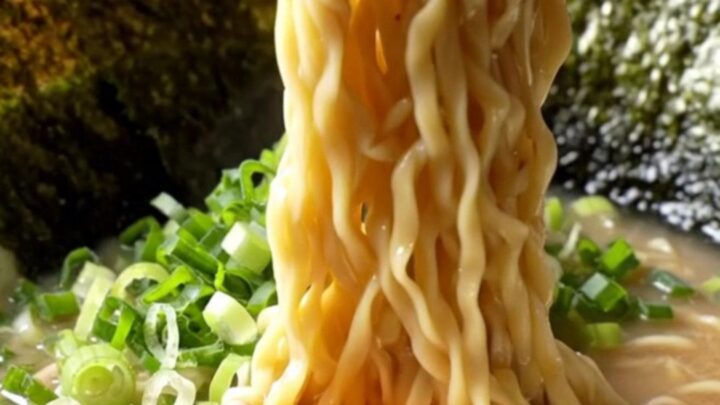
- Serve and EnjoyServe the ramen immediately while the broth is scorching hot. Use chopsticks to lift a bundle of noodles and slurp them, enjoying the creamy broth and toppings together.Look for The noodles are springy, the yolk is jammy, and the broth clings to everything.Tip Slurping is encouraged—it aerates the broth and enhances the flavor.
The black garlic oil is drizzled, and the scallions are scattered. The bowl is steaming and aromatic, with the oil creating swirls on the surface. The chashu is caramelized, the eggs are glossy, and the mushrooms are tucked in. Serve immediately for the best texture and temperature.
Common mistakes
Avoid overcooking the noodles—fresh ramen noodles only need 60 seconds in boiling water. Overcooking makes them mushy. Don’t let the broth boil vigorously, as it can break the emulsion and make it watery.
When torching the chashu, keep the flame moving to avoid burning. If you don’t have a blowtorch, a hot skillet works well. Finally, assemble the bowls just before serving so the noodles don’t absorb too much broth and become soggy.
How to tell it’s done
The ramen is done when the noodles are tender but still springy, and the broth is piping hot. The chashu should be caramelized on the edges and heated through; if you’re using a thermometer, it should read at least 145°F (63°C) for pork.
The eggs should have jammy, set yolks—not runny. Taste the broth and adjust seasoning if needed. The final bowl should be steaming, aromatic, and visually inviting.
- Steaks, chops and roasts: 145°F (63°C) in the thickest part, then a 3-minute rest
- Egg dishes: 160°F (71°C) in the thickest part
Up next · Part 3 of 3
4 variations · storage & make-ahead · 5 answers · printable card
Tips, FAQ & printable recipe (Part 3)← Back to the ingredients (Part 1)