Dinner · Part 1 of 3: Ingredients
Slow-Braised Turkish Güveç: Clay Pot Lamb Stew with Shallots & Peppers
- Prep
- Cook
- Total
- Serves
- 4
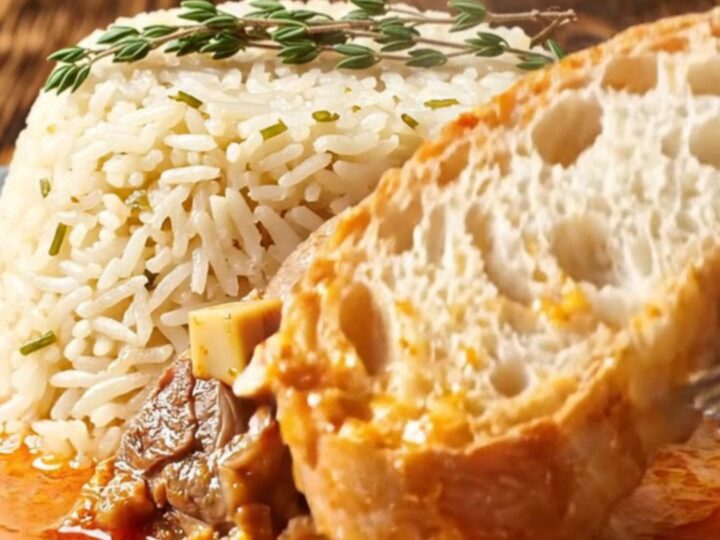
This slow-braised Turkish güveç is a one-pot wonder that turns humble lamb shoulder into a spoon-tender feast. Sealed inside a clay pot, the meat simmers gently in its own juices with sweet pearl onions, peppers, and a rich tomato-pepper sauce. The result is deeply savory, aromatic with wild thyme, and perfect for soaking up with crusty bread.
Güveç is the Turkish word for the earthenware pot itself, and cooking in it is an age-old technique that yields remarkably tender meat.
The clay pot's porous walls allow slow, even heat circulation, while the tight seal traps steam, creating a moist environment that breaks down collagen in the lamb shoulder. This recipe brings that authentic experience to your home oven with a handful of simple ingredients and a little patience.
Ingredients
- 600 g lamb shoulder, cut into 1-inch cubes
- 12 peeled whole pearl onions
- 6 whole garlic cloves, peeled
- 2 green sivri peppers, sliced (or substitute banana peppers)
- 1 red bell pepper, sliced
- 2 ripe tomatoes, diced
- 2 tbsp village butter (or unsalted butter)
- 1 tbsp tomato paste
- 1 tbsp Turkish pepper paste (or substitute additional tomato paste)
- 300 ml rich lamb bone broth
- 1 tsp wild thyme (kekik), dried
- Salt, to taste
Why this recipe works
The magic of this dish lies in the clay pot. As it heats, the clay gently distributes heat, preventing hot spots that can toughen meat. The sealed lid traps the steam released from the lamb, onions, and peppers, creating a moist environment that slowly dissolves connective tissue.
This is why the lamb becomes so tender that it falls apart at the touch of a fork, while the sauce concentrates into a rich, silky glaze.
Braising at a low temperature—170°C (340°F)—is key. High heat would cause the meat to seize and become chewy, but the low, slow cook allows the collagen to melt into gelatin, giving the sauce its body and the meat its melt-in-the-mouth texture. The combination of tomato paste and pepper paste adds depth and a subtle sweetness that balances the savory lamb and earthy thyme.
Notes and substitutions
Lamb shoulder is the ideal cut here because it has enough fat and connective tissue to stay moist during the long cook. If you can't find lamb shoulder, lamb stew meat or even beef chuck will work, though the cooking time may need slight adjustment.
Pearl onions are traditional, but you can also use cipollini onions or shallots. Sivri peppers are long, thin green peppers with a mild heat; banana peppers are a good substitute.
A clay güveç pot is traditional, but a Dutch oven with a tight-fitting lid works just as well. If using a clay pot, soak it in water for 15 minutes before baking if it's new, to prevent cracking.
The parchment paper under the lid helps create a better seal; if you don't have parchment, you can use aluminum foil. The dish is naturally gluten-free and can be made dairy-free by using olive oil instead of butter.
- green sivri peppers: Banana peppers or mild green chilies, sliced
- Turkish pepper paste: Additional tomato paste mixed with a pinch of red pepper flakes
- lamb bone broth: Beef bone broth or low-sodium chicken broth
- village butter: Unsalted butter or ghee
Equipment
- Clay güveç pot (or Dutch oven)
- Parchment paper
- Mixing bowl
- Whisk
- Cutting board
- Chef's knife
- Measuring spoons
- Oven
Up next · Part 2 of 3
7 steps · 3 h of cooking · what to look for at each stage
Step-by-step instructions (Part 2)