Dinner · Part 2 of 3: Instructions
Slow-Braised Turkish Güveç: Clay Pot Lamb Stew with Shallots & Peppers Step-by-step instructions
- Prep
- Cook
- Total
- Serves
- 4
Before you start
Before you begin, cut the lamb shoulder into 1-inch cubes and pat them dry. Peel the pearl onions and garlic cloves, and slice the peppers and tomatoes. Measure out all the sauce ingredients so they are ready to whisk together.
If using a clay pot, soak it in water for 15 minutes if it's new. Preheat the oven to 170°C (340°F). Have the parchment paper and lid ready for sealing.
Ingredients at a glance (12)
- 600 g lamb shoulder, cut into 1-inch cubes
- 12 peeled whole pearl onions
- 6 whole garlic cloves, peeled
- 2 green sivri peppers, sliced (or substitute banana peppers)
- 1 red bell pepper, sliced
- 2 ripe tomatoes, diced
- 2 tbsp village butter (or unsalted butter)
- 1 tbsp tomato paste
- 1 tbsp Turkish pepper paste (or substitute additional tomato paste)
- 300 ml rich lamb bone broth
- 1 tsp wild thyme (kekik), dried
- Salt, to taste
Instructions
Layering and Sauces
- Layer the IngredientsPlace the cubed lamb shoulder, peeled pearl onions, garlic cloves, sliced sivri peppers, red bell pepper, and diced tomatoes into the clay güveç pot. Arrange them in an even layer, tucking the garlic and onions among the meat so they cook evenly.Look for The pot should be filled about two-thirds full with the ingredients distributed evenly.Tip Cut the lamb into uniform 1-inch cubes so they cook at the same rate.
- Make the SauceIn a small bowl, whisk together the village butter, tomato paste, pepper paste, lamb bone broth, wild thyme, and salt until the pastes are fully dissolved and the mixture is smooth.Look for The sauce should be a deep red, glossy liquid with no lumps of paste.Tip Warm the broth slightly before whisking to help the butter melt and the pastes blend easily.
- Pour the Sauce OverPour the sauce evenly over the layered ingredients in the clay pot. Gently shake the pot or use a spoon to ensure the sauce reaches the bottom and coats the meat and vegetables.Look for The liquid should come about halfway up the ingredients; it will reduce during baking.Tip Do not stir vigorously; the layers help the meat stay moist and the vegetables hold their shape.
After layering the lamb, onions, garlic, peppers, and tomatoes, and pouring over the sauce, the pot should be colorful and aromatic.
The sauce should be a deep red, and the ingredients should be coated but not drowned. The pot should be about two-thirds full, leaving room for the steam to circulate.
Sealing and Baking
- Seal the PotCover the clay pot with a piece of parchment paper, then place the lid on top. If your pot has no lid, you can press a ribbon of dough around the edge to create a tight seal, as is traditional.Look for The seal should be snug so that steam cannot escape during baking.Tip Soak the clay pot in water for 15 minutes before baking if it is new or very dry, to prevent cracking.
- Slow-Bake at Low HeatPlace the sealed pot in the oven and bake at 170°C (340°F) for 3 hours, until the lamb is completely fall-apart tender and the sauce has thickened slightly. Let it rest for 3 minutes before slicing.Look for After 3 hours, the meat should shred easily with a fork and the onions should be meltingly soft.Safe temperature 145°F (63°C) internal temperature (steaks, chops and roasts)Tip Resist opening the oven door during baking; the trapped steam is what makes the meat so succulent.
- Check the Meat TemperatureAfter baking, carefully remove the pot from the oven. Check the internal temperature of the lamb with an instant-read thermometer; it should read at least 145°F (63°C), though it will likely be higher after 3 hours. Let the meat rest for at least 3 minutes before serving.Look for The thermometer should register at least 145°F (63°C) in the thickest piece of meat.Safe temperature 145°F (63°C) internal temperature (steaks, chops and roasts)Tip The meat will continue to rest and reabsorb juices during the resting time.
The sealed pot should be placed in the preheated oven. As it bakes, you may hear a gentle bubbling sound from inside. The kitchen will fill with the aroma of garlic, thyme, and lamb. After 3 hours, the pot should be bubbling gently, and the meat should be visibly tender when you peek.
Serving and Enjoying
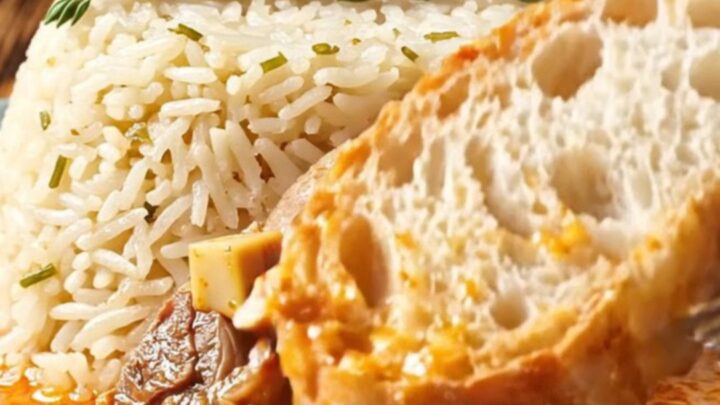
- Serve the StewLadle the tender lamb, whole shallots, and peppers over buttery rice pilaf or alongside crusty village bread for dipping into the concentrated, collagen-rich sauce.Look for The sauce should be glossy and thick enough to coat the back of a spoon.Tip Serve immediately while piping hot for the best texture and flavor.
When you lift the lid, a fragrant cloud of steam should rise. The sauce should be thick and glossy, coating the meat and onions. The lamb should be so tender that it falls apart with a spoon. Serve immediately over rice pilaf or with crusty bread for dipping.
Common mistakes
One common mistake is opening the oven door frequently to check on the stew, which lets out valuable steam and extends cooking time. Another is using a lean cut of lamb, which will dry out.
Also, resist the urge to stir the pot during baking; the layers help the vegetables cook evenly and the meat stay moist. Finally, don't skip the resting time after baking—it allows the juices to redistribute.
How to tell it’s done
The lamb is done when it is fork-tender and easily shreds apart. The sauce should be thickened and glossy, not watery.
An instant-read thermometer inserted into the thickest piece of meat should read at least 145°F (63°C), though after 3 hours it will likely be higher. The pearl onions should be soft and sweet, and the peppers should be tender but not mushy.
- Steaks, chops and roasts: 145°F (63°C) in the thickest part, then a 3-minute rest
Up next · Part 3 of 3
4 variations · storage & make-ahead · 5 answers · printable card
Tips, FAQ & printable recipe (Part 3)← Back to the ingredients (Part 1)