Dinner · Part 3 of 3: Tips & recipe card
Slow-Braised Turkish Güveç: Clay Pot Lamb Stew with Shallots & Peppers Tips, FAQ & printable recipe
- Prep
- Cook
- Total
- Serves
- 4
Tips for success
For the most flavorful sauce, use a rich lamb bone broth. If you don't have it, beef broth works well. The tomato paste and pepper paste are essential for the deep, savory flavor; don't skip them.
If you can't find Turkish pepper paste, use an extra tablespoon of tomato paste mixed with a pinch of red pepper flakes to add a subtle heat.
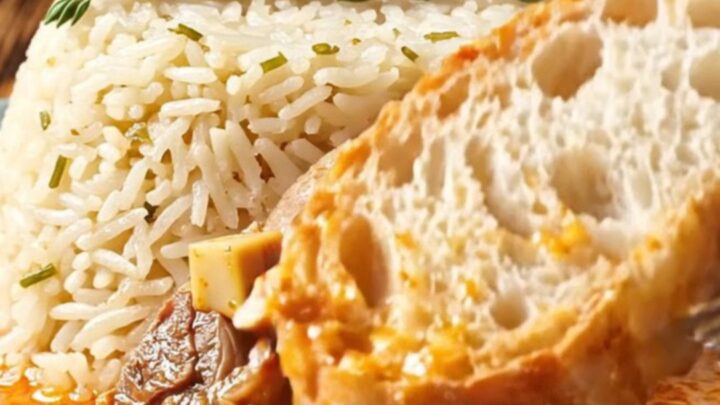
When serving, spoon the stew over buttery rice pilaf to soak up the sauce, and provide crusty bread for dipping. The dish is even better the next day, as the flavors meld further.
To reheat, warm it gently on the stovetop or in the oven until piping hot, adding a splash of broth if needed to loosen the sauce.
Variations
- Beef Güveç: Swap the lamb for beef chuck, cut into 1-inch cubes. Increase the cooking time to 3 1/2 to 4 hours, or until the beef is fork-tender. The sauce will be equally rich and satisfying.
- Vegetarian Güveç: Omit the lamb and use vegetable broth. Add extra vegetables like zucchini, eggplant, and mushrooms. Cook for 1 1/2 to 2 hours, until the vegetables are tender and the sauce is thickened.
- Spicy Güveç: Add 1 teaspoon of red pepper flakes or a chopped fresh chili to the sauce for extra heat. This is a nice contrast to the sweet pearl onions and peppers.
- Herb Variations: Add a sprig of fresh rosemary or oregano along with the thyme for a different herbal note. You can also sprinkle fresh parsley over the finished dish before serving.
Storage and make-ahead
- Fridge
- Store leftovers in an airtight container in the refrigerator for up to 4 days.
- Freezer
- This stew freezes well for up to 3 months. Cool completely, then transfer to a freezer-safe container.
- Reheat
- Reheat the güveç in a covered pot over low heat, stirring occasionally, until piping hot. Add a little broth or water to loosen the sauce if needed.
Store any leftover güveç in an airtight container in the refrigerator for up to 4 days. The sauce will thicken as it cools; add a little broth or water when reheating to restore its silky texture. Let the stew cool to room temperature within 2 hours of cooking before refrigerating.
You can assemble the entire güveç (without baking) up to 24 hours ahead. Keep the pot in the refrigerator, then bring it to room temperature for 30 minutes before baking. You may need to add 15–20 minutes to the baking time if starting from cold.
Serving ideas
Serve the güveç hot, straight from the pot, to showcase its rustic charm. A bed of buttery rice pilaf is the classic accompaniment, but fluffy bulgur or even mashed potatoes would also be wonderful.
The sauce is the star, so don't skimp on the bread—a crusty village loaf is perfect for mopping up every last drop.
For a complete Turkish meal, start with a simple meze of olives, white cheese, and fresh vegetables. A glass of Turkish red wine or a cold ayran (yogurt drink) pairs beautifully.
The stew is hearty enough to be a main course on its own, but it also works well as part of a larger spread.
Frequently asked questions
Can this güveç be made without a clay pot?
Why is the meat still tough after 3 hours?
What can be used instead of sivri peppers?
Is it necessary to seal the pot with dough?
Can this dish be prepared a day ahead?
Slow-Braised Turkish Güveç: Clay Pot Lamb Stew with Shallots & Peppers

Ingredients
- 600 g lamb shoulder, cut into 1-inch cubes
- 12 peeled whole pearl onions
- 6 whole garlic cloves, peeled
- 2 green sivri peppers, sliced (or substitute banana peppers)
- 1 red bell pepper, sliced
- 2 ripe tomatoes, diced
- 2 tbsp village butter (or unsalted butter)
- 1 tbsp tomato paste
- 1 tbsp Turkish pepper paste (or substitute additional tomato paste)
- 300 ml rich lamb bone broth
- 1 tsp wild thyme (kekik), dried
- Salt, to taste
Instructions
- Place the cubed lamb shoulder, peeled pearl onions, garlic cloves, sliced sivri peppers, red bell pepper, and diced tomatoes into the clay güveç pot. Arrange them in an even layer, tucking the garlic and onions among the meat so they cook evenly.
- In a small bowl, whisk together the village butter, tomato paste, pepper paste, lamb bone broth, wild thyme, and salt until the pastes are fully dissolved and the mixture is smooth.
- Pour the sauce evenly over the layered ingredients in the clay pot. Gently shake the pot or use a spoon to ensure the sauce reaches the bottom and coats the meat and vegetables.
- Cover the clay pot with a piece of parchment paper, then place the lid on top. If your pot has no lid, you can press a ribbon of dough around the edge to create a tight seal, as is traditional.
- Place the sealed pot in the oven and bake at 170°C (340°F) for 3 hours, until the lamb is completely fall-apart tender and the sauce has thickened slightly. Let it rest for 3 minutes before slicing.
- After baking, carefully remove the pot from the oven. Check the internal temperature of the lamb with an instant-read thermometer; it should read at least 145°F (63°C), though it will likely be higher after 3 hours. Let the meat rest for at least 3 minutes before serving.
- Ladle the tender lamb, whole shallots, and peppers over buttery rice pilaf or alongside crusty village bread for dipping into the concentrated, collagen-rich sauce.
Estimated nutrition per serving
- Calories
- 620
- Protein
- 38 g
- Carbohydrates
- 18 g
- Fat
- 42 g
Next recipe

Loaded Philly Cheesesteak Garlic Bread Boats with Melted Provolone
See the recipe → →This recipe is based on a short cooking video and is published under the pen name Clara Weller. It was checked before publication, but errors can slip through. Nutrition, when shown, is an estimate. Read more in our editorial policy and on our food safety page.
More recipes to try

24K Gold-Dusted Wagyu Tomahawk with Truffle Bone Marrow Butter
Total time: 1 h 35 min
Creamy Roasted Butternut Squash Bisque with Sage Brown Butter Crostini
Total time: 1 h 10 min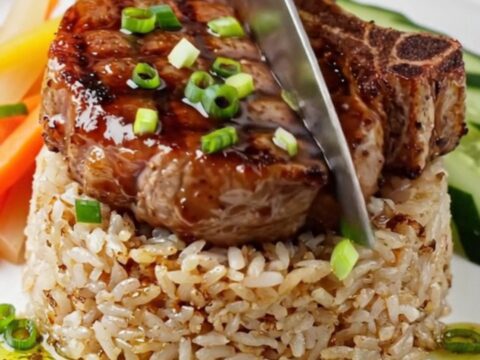
Vietnamese Lemongrass Grilled Pork Chops with Broken Rice & Pickled Carrots
Total time: 40 min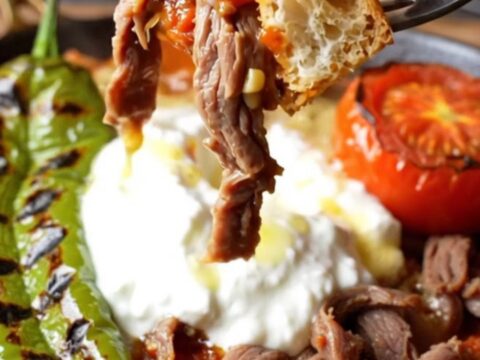
Turkish İskender Kebab with Sizzling Browned Butter
Total time: 35 min
Loaded Cheesy Jalapeño Bacon Hasselback Sweet Potatoes
Total time: 1 h 10 min