Dinner · Part 3 of 3: Tips & recipe card
Creamy Korean Rabokki with Mozzarella Tips, FAQ & printable recipe
- Prep
- Cook
- Total
- Serves
- 2
Tips for success
For an extra kick of heat, feel free to add a bit more gochugaru to the sauce during the initial simmering stage.
If you prefer a milder version, you can reduce the amount of gochujang and supplement with a little tomato paste for a slightly different flavor profile that still pairs beautifully with the cream.
When adding the mozzarella, turn the heat down to low or even off to prevent the cheese from burning on the bottom of the skillet.
Covering the pan with a lid for the last minute of cooking can help the cheese melt perfectly without needing to stir it too much, preserving the visual appeal of the melted topping.
Variations
- Vegetable Rabokki: Add thinly sliced green onions, carrots, or cabbage during the first phase of cooking for added crunch and freshness, which complements the spicy and creamy sauce perfectly.
- Extra Spicy Rabokki: Incorporate a tablespoon of chili oil or finely chopped fresh green chilies during the initial step to significantly increase the heat level for those who enjoy a spicier experience.
Storage and make-ahead
- Fridge
- Store in an airtight container for up to 2 days.
- Reheat
- Reheat gently in a skillet over low heat, adding a splash of water or broth to loosen the sauce as the noodles and rice cakes will absorb the liquid.
Store any leftovers in an airtight container in the refrigerator for up to two days. Note that the rice cakes will firm up significantly when cold, and the ramen noodles may absorb much of the remaining sauce, which is normal for this type of dish.
While this dish is best served fresh, you can prepare the sauce base ahead of time and keep it in the refrigerator. When ready to eat, bring the sauce to a simmer, add the noodles, rice cakes, and sausages, and cook as directed to ensure the best texture.
Serving ideas
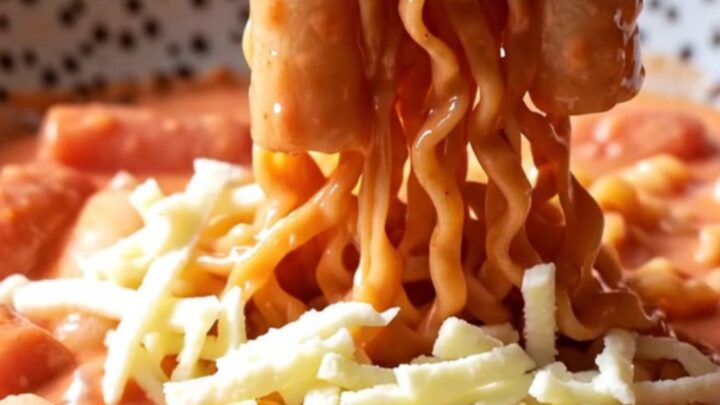
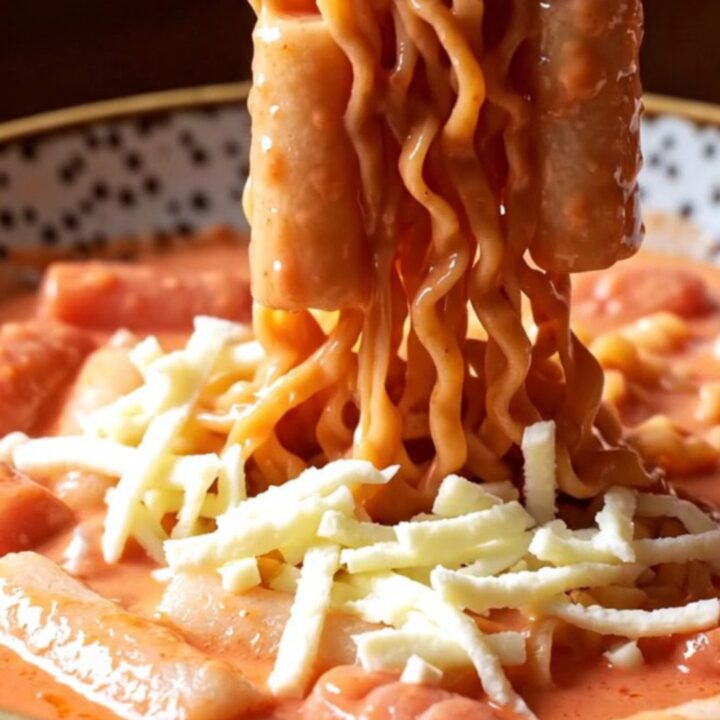
Serve this rabokki immediately while the cheese is hot and gooey. It is best enjoyed directly from the skillet to maintain the temperature and the appealing presentation of the melted mozzarella.
Provide individual bowls and chopsticks or forks for a casual dining experience.
Accompany this dish with simple side dishes like pickled radish or a refreshing cucumber salad to balance the richness of the creamy sauce.
The soft-boiled egg adds a lovely textural element that complements the chewiness of the rice cakes, so be sure to include it just before serving.
Frequently asked questions
Can the rice cakes be substituted with another ingredient?
Why does the sauce sometimes separate?
Is it possible to make this dish without the dashi broth?
Creamy Korean Rabokki with Mozzarella
Ingredients
- 250 grams chewy Korean cylinder rice cakes
- 4 fish cakes, sliced
- 3 garlic cloves, minced
- 2 tbsp gochujang (Korean chili paste)
- 1 tbsp gochugaru (Korean chili flakes)
- 1 tbsp sugar
- 250 ml heavy cream
- 150 ml dashi broth
- 1 pack ramen noodles
- 3 mini sausages
- 120 grams mozzarella cheese
- 1 soft-boiled egg, for serving
- sesame seeds, for serving
Instructions
- Place the rice cakes, sliced fish cakes, minced garlic, gochujang, gochugaru, and sugar into a large skillet. Add the dashi broth and begin to simmer over medium heat until the sauce starts to thicken and the rice cakes soften.
- Pour in the heavy cream, stirring gently to combine with the spicy base. Once the mixture reaches 198°F (92°C), add the ramen noodles and mini sausages. Cook for approximately 3 minutes, ensuring the noodles are tender but still have a slight bite.
- Sprinkle the mozzarella over the top of the skillet. Reduce the heat and allow the cheese to melt completely into the sauce. Garnish with a soft-boiled egg and a sprinkle of sesame seeds before serving immediately to ensure the best texture.
Estimated nutrition per serving
- Calories
- 580
- Protein
- 18.5 g
- Carbohydrates
- 65 g
- Fat
- 26 g
- Fiber
- 3 g
- Sugar
- 8 g
- Sodium
- 1200 mg
Next recipe
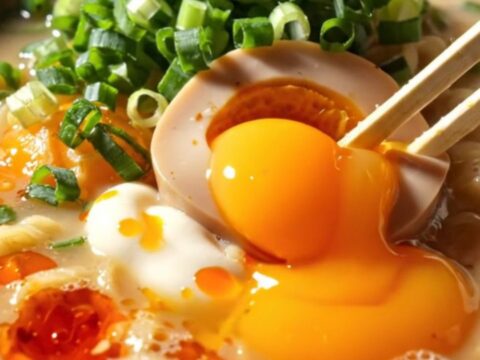
Creamy Midnight Ramen Upgrade
See the recipe → →This recipe is based on a short cooking video and is published under the pen name Clara Weller. It was checked before publication, but errors can slip through. Nutrition, when shown, is an estimate. Read more in our editorial policy and on our food safety page.
More recipes to try
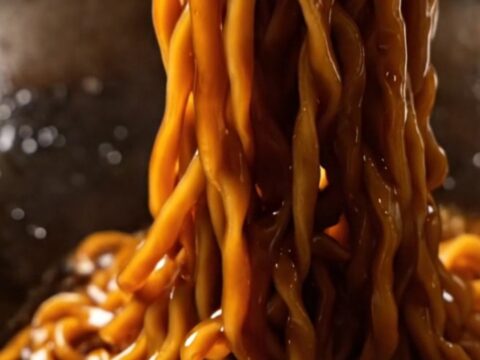
Crispy Caramelized Shanghai Scallion Oil Noodles
Total time: 22 min
Creamy Jalapeño Popper Mac and Cheese
Total time: 30 min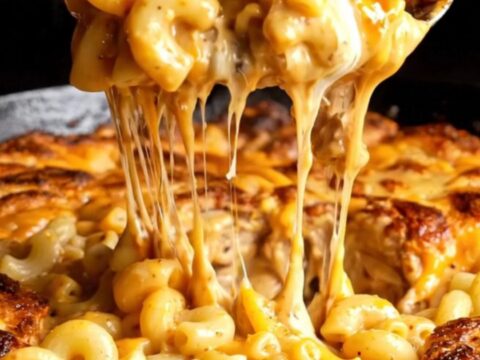
Smoky Texas Brisket Burnt Ends and Sharp Cheddar Mac
Total time: 28 min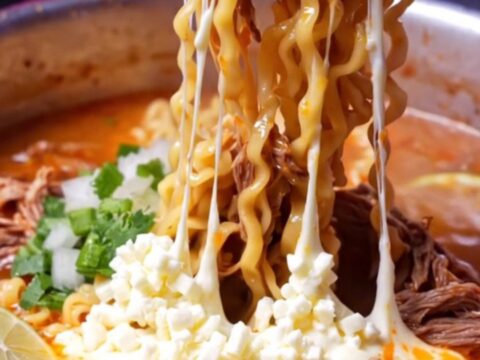
Cheesy Beef Birria Ramen: 10-Minute Late-Night Fix
Total time: 10 min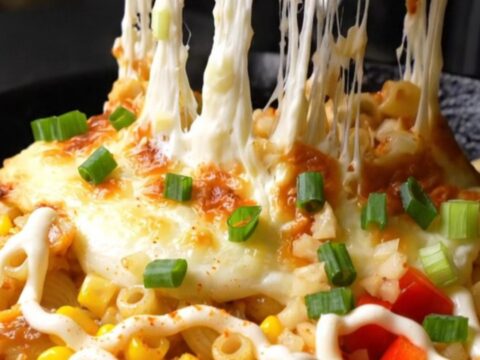
Korean Corn Cheese Mac and Cheese with Torched Mozzarella
Total time: 40 min