Dinner · Part 1 of 3: Ingredients
Crispy Caramelized Shanghai Scallion Oil Noodles
- Prep
- Cook
- Total
- Serves
- 2
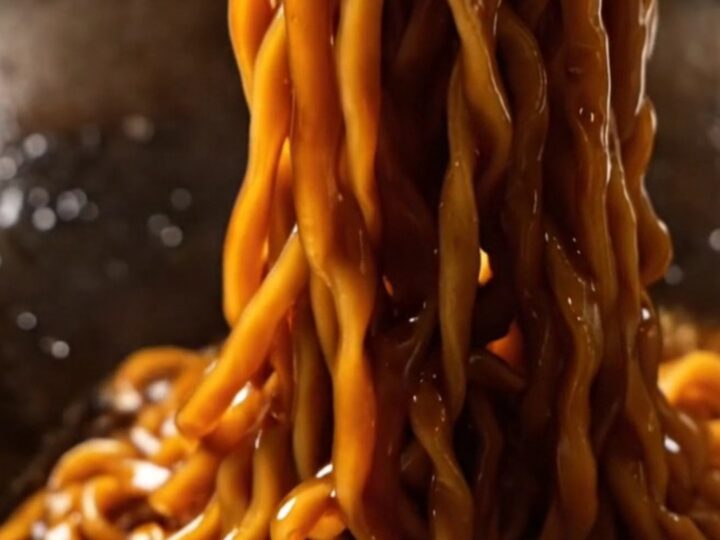
Discover the secret to restaurant-quality Shanghai noodles that rely on the transformative power of aromatic scallion oil. This straightforward method focuses on extracting maximum flavor from simple ingredients, resulting in a dish that is deeply savory, slightly sweet, and irresistibly crispy.
Perfect for a quick weeknight dinner, these noodles are a masterclass in minimalist cooking, proving that complex flavor doesn't require a long list of pantry items or hours of preparation time.
Shanghai scallion oil noodles are a beloved classic that showcases the beauty of Chinese comfort food. By slowly frying fresh scallions and shallots in neutral oil, you create a fragrant, golden-brown base that carries the essence of the aromatics. When combined with a simple glaze of light and dark soy sauce and sugar, the result is a glossy, savory noodle dish that is addictive in its simplicity.
This recipe guides you through the process of achieving that signature crispy texture and deep, caramelized flavor profile that makes this dish a true staple in any home kitchen. Whether you are a beginner or an experienced cook, you will appreciate how easily these simple elements transform into a sophisticated meal.
Ingredients
Noodle Base
- 250 grams fresh green scallions, sliced into long strips
- 3 shallots, sliced into rings
Glaze
- 45 milliliters light soy sauce
- 30 milliliters dark soy sauce
- 2 tbsp sugar
Cooking Fat
- 90 milliliters neutral oil
Noodle Base
- 400 grams fresh wheat noodles
Why this recipe works
The slow-frying method is the key to this recipe's success. By cooking the scallions at a moderate temperature of 150°C, the water content is gently removed, allowing the onions to crisp up rather than burn.
This process infuses the oil with a concentrated, sweet, and savory aroma that serves as the foundation for the entire dish. The result is a deeply fragrant oil that coats every noodle perfectly.
Using a combination of light and dark soy sauce adds both depth and color to the dish. Light soy provides the necessary saltiness, while dark soy contributes a rich, caramel-like color and a slightly thicker consistency.
The addition of sugar balances these savory components, creating a harmonious glaze that clings to the wheat noodles. This careful balance ensures the final result is never too salty or one-dimensional.
Notes and substitutions
Fresh scallions are essential for this recipe. Choose firm, bright green bunches and avoid any that appear wilted or slimy. The white and light green parts of the scallion provide the most flavor, while the dark green tops add color and texture. Ensure the scallions are completely dry before slicing to prevent excess water from causing the oil to splatter dangerously when added to the pan.
When it comes to equipment, a deep skillet or a traditional carbon steel wok works best. The depth is important because the oil will bubble up once the soy sauce mixture is added. A pair of long tongs is indispensable for tossing the noodles, as it allows you to handle the hot ingredients safely and ensures the sauce is distributed evenly without breaking the noodles during the mixing process.
- Neutral oil: Use high-smoke point oils like grapeseed, avocado, or canola oil for the best results when frying the scallions.
- Wheat noodles: Dried udon or thick egg noodles work well if fresh wheat noodles are unavailable at the local grocery store.
Equipment
- Chef's knife
- Cutting board
- Deep skillet or wok
- Whisk
- Mixing bowl
- Tongs
Up next · Part 2 of 3
5 steps · 12 min of cooking · what to look for at each stage
Step-by-step instructions (Part 2)