Dinner · Part 2 of 3: Instructions
Crispy Caramelized Shanghai Scallion Oil Noodles Step-by-step instructions
- Prep
- Cook
- Total
- Serves
- 2
Before you start
Before you start, ensure all ingredients are ready for a smooth cooking process. Slice your scallions into long, uniform strips and finely slice your shallots. Have your soy sauce and sugar mixture prepared in a small bowl, whisked and ready to go.
Because the frying process moves quickly once the oil is hot, having everything within reach at your stovetop is vital for safety and success. Clear your workspace and set out your tongs and a heat-resistant bowl or plate for serving.
Ingredients at a glance (7)
- 250 grams fresh green scallions, sliced into long strips
- 3 shallots, sliced into rings
- 45 milliliters light soy sauce
- 30 milliliters dark soy sauce
- 2 tbsp sugar
- 90 milliliters neutral oil
- 400 grams fresh wheat noodles
Instructions
Preparing the Aromatics and Glaze
- Prep AromaticsCarefully slice the green scallions into long, uniform strips to ensure even frying. Peel the shallots and slice them into thin, consistent rings. Keeping the size uniform helps the aromatics fry at the same rate, preventing some pieces from burning while others remain raw. Set these aside in a clean bowl until ready to fry.Look for Scallions and shallots should be sliced into thin, even pieces for consistent frying.Tip Use a sharp knife to avoid bruising the delicate green onion layers.
- Mix GlazeIn a small mixing bowl, combine the light soy sauce, dark soy sauce, and sugar. Whisk the mixture vigorously until the sugar has completely dissolved into the soy sauce base. This ensures the seasoning distributes evenly across the noodles without leaving gritty sugar spots on the final dish.Look for The sugar should be fully dissolved and the mixture smooth.Tip Whisking thoroughly before cooking prevents the sugar from burning at the bottom of the pan.
The scallions and shallots are neatly sliced into consistent pieces, and the soy sauce and sugar mixture is smooth and fully dissolved. Your workstation is organized, and all ingredients are ready to be added to the pan.
You should feel prepared and focused before you start heating the oil, as the cooking process requires your full attention to monitor the color of the frying aromatics.
Frying and Glazing
- Fry AromaticsHeat the neutral oil in a deep skillet or wok until it reaches 150°C (302°F). Carefully add the sliced scallions and shallots. Fry them over medium heat for approximately 12 minutes. Watch closely as the moisture evaporates and the onions turn a deep, golden brown and become crispy. Do not let them turn dark brown or black, as this creates a bitter flavor.Look for The scallions and shallots should be golden, crispy, and fragrant.Tip Maintain a steady temperature to ensure the onions fry rather than boil in the oil.
- Bubble the GlazeOnce the aromatics are crispy, carefully pour the prepared soy and sugar mixture into the hot oil with the scallions. The mixture will bubble vigorously; let it simmer for about 30 seconds to allow the flavors to meld and the glaze to thicken slightly. Be cautious of oil splatter during this process.Look for The sauce should bubble and thicken slightly, coating the back of a spoon.Tip Stand back slightly when adding the liquid to the hot oil to avoid splashes.
The aromatics have reached a beautiful, uniform golden brown color and are crisp. The oil is fragrant and clear, and the addition of the soy glaze has created a rich, bubbling sauce that coats the bottom of the skillet. The kitchen smells intensely savory and sweet, and the consistency of the glaze is thick enough to coat the back of a spoon.
Tossing the Noodles
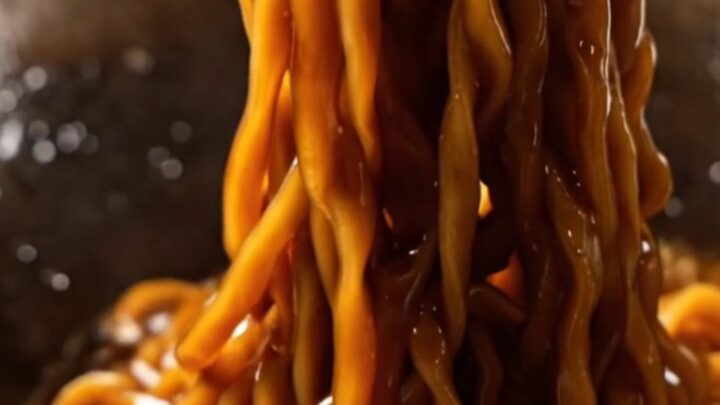
- Toss and ServeAdd the wheat noodles directly into the pan. Using tongs, toss the noodles vigorously with the hot scallion-soy glaze until every strand is evenly coated and mirror-glossy. Ensure the crispy fried scallions are distributed throughout the noodles. Serve immediately while hot to maintain the best texture and flavor.Look for The noodles should be dark, glossy, and evenly coated in the sauce.Tip Toss quickly to prevent the noodles from sticking together while they absorb the hot glaze.
The noodles are perfectly integrated with the scallion oil and soy glaze. Every strand is glossy, dark, and coated with the crispy bits of fried onion. The dish is served immediately, and the contrast between the tender noodles and the crispy scallions is evident. The overall presentation is uniform, with no dry spots or clumps of unseasoned noodles remaining in the pan.
Common mistakes
A common mistake is frying the scallions on heat that is too high, which causes them to burn and turn bitter before they become crispy. Another error is failing to dry the scallions thoroughly, which leads to excessive oil splattering.
Additionally, overcrowding the pan can prevent the aromatics from crisping correctly, resulting in soggy onions. Always ensure you have enough space in your skillet so the onions can fry properly in the oil rather than steaming in their own moisture.
How to tell it’s done
The dish is considered done when the scallions and shallots have reached a deep, golden brown color and are crispy to the touch. The soy glaze should be bubbling and slightly thickened, showing a mirror-like sheen.
The noodles must be hot, glossy, and thoroughly coated in the scallion-infused oil. There is no protein to test, so rely on the visual cues of the golden aromatics and the texture of the sauce to determine when the dish is ready for serving.
Up next · Part 3 of 3
2 variations · storage & make-ahead · 3 answers · printable card
Tips, FAQ & printable recipe (Part 3)← Back to the ingredients (Part 1)