Dinner · Part 1 of 3: Ingredients
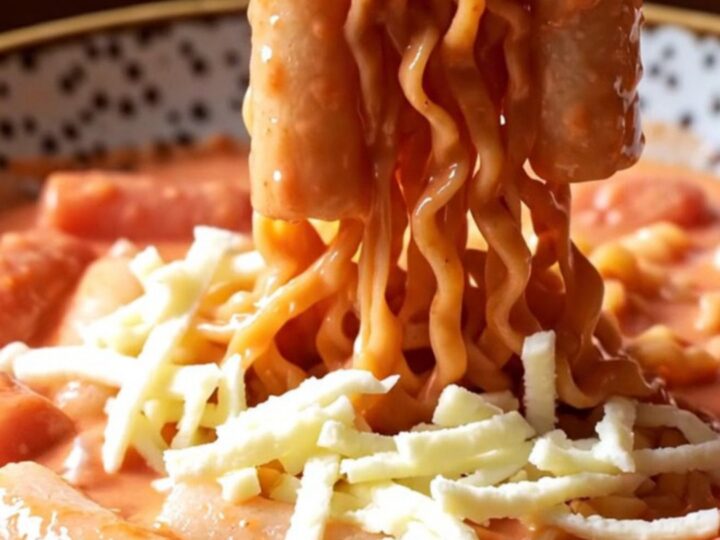
Creamy Korean Rabokki with Mozzarella
- Prep
- Cook
- Total
- Serves
- 2
Discover the addictive harmony of spicy, creamy, and chewy textures in this Korean-inspired rabokki recipe. This dish perfectly balances the heat of gochujang with the richness of heavy cream, resulting in a vibrant sauce that coats every strand of ramen and every chewy rice cake.
Perfect for a quick, comforting meal at home, this recipe transforms simple pantry staples into a restaurant-quality experience in under fifteen minutes.
Rabokki is a beloved Korean street food that combines tteokbokki (spicy rice cakes) with ramen noodles. The addition of heavy cream creates a 'rosé' version, which tempers the heat of the chili paste while adding a luxurious, velvety mouthfeel.
This recipe is designed for ease and speed, ensuring you can enjoy this popular fusion dish whenever the craving strikes. Follow these steps to achieve that signature glossy sauce and perfectly melted cheese topping that makes this dish so iconic.
Ingredients
Main
- 250 grams chewy Korean cylinder rice cakes
- 4 fish cakes, sliced
- 3 garlic cloves, minced
Sauce
- 2 tbsp gochujang (Korean chili paste)
- 1 tbsp gochugaru (Korean chili flakes)
- 1 tbsp sugar
- 250 ml heavy cream
- 150 ml dashi broth
Main
- 1 pack ramen noodles
- 3 mini sausages
Topping
- 120 grams mozzarella cheese
- 1 soft-boiled egg, for serving
- sesame seeds, for serving
Why this recipe works
The combination of gochujang and heavy cream creates a balanced sauce that is both spicy and mellow. The starch released by the rice cakes and ramen helps thicken the sauce naturally, allowing it to cling to every ingredient. This method ensures that the rice cakes remain chewy rather than mushy, providing a satisfying contrast to the soft noodles.
Simmering the ingredients together in a single skillet allows the flavors to meld effectively in a short amount of time.
The addition of dashi provides a savory depth that elevates the sauce, while the mozzarella adds a layer of richness that ties everything together. This streamlined approach minimizes cleanup while maximizing the depth of flavor in every single bite.
Notes and substitutions
For the best results, use fresh or high-quality frozen Korean rice cakes. If the rice cakes are frozen, soak them in warm water for a few minutes before cooking to ensure they cook through evenly. The type of ramen used can vary, but standard wheat-based ramen noodles work best to absorb the sauce without breaking down too quickly during the short simmer.
The choice of mozzarella is crucial for that classic 'cheese pull' effect. Freshly shredded mozzarella melts more smoothly than pre-shredded varieties, which often contain anti-caking agents.
If dashi is unavailable, a light vegetable or chicken broth can be used as a substitute, though dashi provides a more authentic umami profile that complements the gochujang perfectly.
- dashi broth: vegetable or chicken broth
- mozzarella: provolone or monterey jack cheese
Equipment
- large skillet
- silicone spatula
- measuring cups
- knife
- cutting board
Up next · Part 2 of 3
3 steps · 10 min of cooking · what to look for at each stage
Step-by-step instructions (Part 2)