Desserts · Part 3 of 3: Tips & recipe card
Creamy Coconut Pudding — One Saucepan, Twenty Minutes Tips, FAQ & printable recipe
- Prep
- Cook
- Total
- Serves
- 4
Tips for success
Whisk in wide, slow circles that reach the corners of the pan rather than fast, shallow stirs in the middle — the corners are where starch settles and lumps are born. Keep the heat at medium from start to finish and resist the urge to rush the thickening with high heat; coconut fat separates quickly when pushed, and a broken pudding cannot be whisked back.
If the mixture does catch slightly on the bottom, transfer it immediately to a clean pan rather than scraping the scorched bits in. Taste after the two-minute simmer, while adjustments are still easy: whisk in a tablespoon more sugar for sweetness or a pinch more salt to sharpen the coconut flavor. Both dissolve almost instantly in the hot, thick cream.
Serve the pudding warm for the glossiest, most pourable texture, and time the last minutes of cooking so the bowls hit the table within ten minutes of the pan leaving the heat. If the pudding must wait, keep it covered with plastic wrap pressed onto the surface — exposed coconut pudding forms a skin within minutes, and while the skin is harmless, whisking it back in dulls the finish.
To double the recipe, use a wider pot and expect the thickening stage to take a few minutes longer; the whisk has more volume to move through. A thin splash of coconut milk whisked into leftovers revives the texture perfectly before reheating, which makes day-two servings nearly identical to fresh ones.
Variations
- Chilled and Set: Ladle the finished pudding into small cups instead of serving it warm, cool for two hours, then refrigerate until firm. The chilled version scoops like a pot de crème and holds its shape, making it easy to prepare a full day before guests arrive.
- Toasted Coconut Topping: Toast a half cup of shredded coconut in a dry skillet over medium heat, stirring, until golden and fragrant, about three minutes. Scatter it over each bowl just before serving; the crunch contrasts with the smooth pudding and deepens the coconut flavor.
- Chocolate-Swirled: Melt two ounces of dairy-free dark chocolate and drizzle it over the warm pudding in each bowl, then drag a toothpick through the drizzle to create a marbled pattern. The bitter edge of dark chocolate plays against the sweet coconut cream beautifully.
- Lime Zest Bright: Grate the zest of one lime over the pudding just before serving, and add a teaspoon of fresh lime juice along with the vanilla. The citrus lifts the rich coconut flavor and turns the dessert noticeably brighter without changing the method at all.
Storage and make-ahead
- Fridge
- Keeps 4 days covered in the refrigerator; press plastic wrap onto the surface to prevent a skin.
- Freezer
- Freezes up to 1 month in an airtight container; thaw overnight in the refrigerator and whisk well before serving.
- Reheat
- Warm gently on the stove over low heat with a splash of coconut milk, whisking until smooth and glossy.
Leftovers keep beautifully. Let any uneaten bowls cool no more than two hours on the counter, then cover each one and refrigerate. Pressed plastic wrap on the surface prevents a skin; a lid alone does not, since air still reaches the top. Chilled pudding sets firm — scoopable with a spoon, closer to a pot de crème in texture than to the warm, pourable version. It keeps four days in the refrigerator with no loss of flavor, though the surface should be stirred or the top layer discarded if a skin formed anyway. Do not store the pudding in the pan it cooked in; transfer it while still warm so it cools evenly and quickly.
The pudding is an ideal make-ahead dessert because chilling actually improves its set. Cook it up to two days before serving, ladle it into the serving bowls while warm, let the bowls cool for no more than two hours, then cover and refrigerate. Pressed plastic wrap keeps the surface smooth and skin-free.
To serve warm after chilling, scoop the pudding back into a saucepan, add a splash of coconut milk and warm it over low heat, whisking until the texture turns glossy and spoonable again — two to four minutes, usually. For a chilled dessert, simply set the chilled bowls out five minutes before serving so the extreme cold softens slightly. Either route delivers the same flavor with none of the day-of work.
Serving ideas
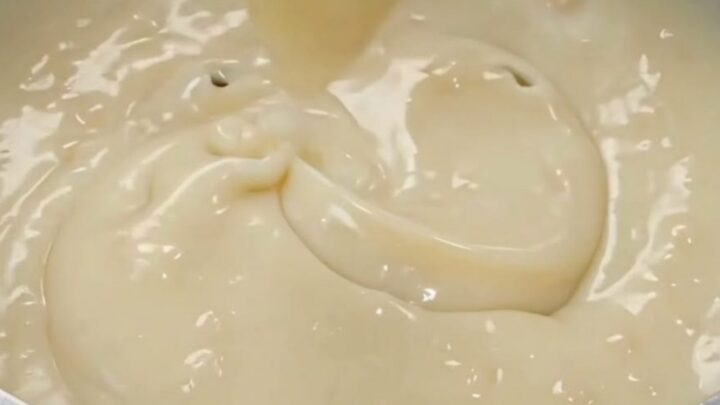
Serve the pudding warm in small, plain white bowls, the way it is ladled straight from the pan — the off-white color and glossy surface need nothing to dress them up. Hand out teaspoons rather than dinner spoons; the pudding is rich enough that a small spoon slows the pace and makes a modest bowl feel generous.
Because the flavor is pure coconut, keep the accompaniments out of the way: the pudding needs no sauce, no garnish and no dusting to read as a finished dessert. Place the bowls on a wooden board or counter for a warm, homey presentation, and bring them to the table while steam still curls off the surface for the full effect.
For a chilled presentation, the same bowls work after two hours in the refrigerator, when the pudding sets firm and holds a clean scoop. At that point a few simple finishes suit the firmer texture: a drizzle of warmed coconut cream, a scatter of toasted shredded coconut, or a fine grating of lime zest to cut the richness. If serving a mixed crowd, ladle half the batch into bowls for serving warm and pour the rest into small cups to chill — the two textures from one pan make the dessert feel doubled without any extra cooking. Coffee, black or with a splash of coconut milk, is the natural drink alongside either version.
Frequently asked questions
Can this coconut pudding be made ahead?
Why did the pudding turn out grainy or chalky?
Can light coconut milk be used instead of full-fat?
Why won't the pudding thicken even after long cooking?
Can this be served cold instead of warm?
Creamy Coconut Pudding — One Saucepan, Twenty Minutes
Ingredients
- 2 cups full-fat coconut milk, shaken well (dairy-free)
- 1 cup coconut cream, shaken well (dairy-free)
- 1/3 cup granulated sugar
- 1/4 cup cornstarch
- 1/4 tsp fine salt
- 1 tsp vanilla extract
Instructions
- Whisk the cornstarch, granulated sugar and fine salt together in a small bowl until evenly blended. Mixing the dry ingredients first means the starch disperses without lumps later, and the sugar granules keep the cornstarch from clumping when it meets the cold coconut milk in the pan.
- Pour the coconut milk and coconut cream into a medium, heavy-bottomed saucepan. Shake both cans well before opening so the thick cream at the top blends back into the liquid below. Set the pan over medium heat and add the blended dry mix.
- Whisk the mixture continuously as it warms, scraping the corners and bottom of the pan where starch settles first. Keep the heat at a steady medium — coconut fat separates if the pan gets too hot, and a scorched base flavors the whole batch.
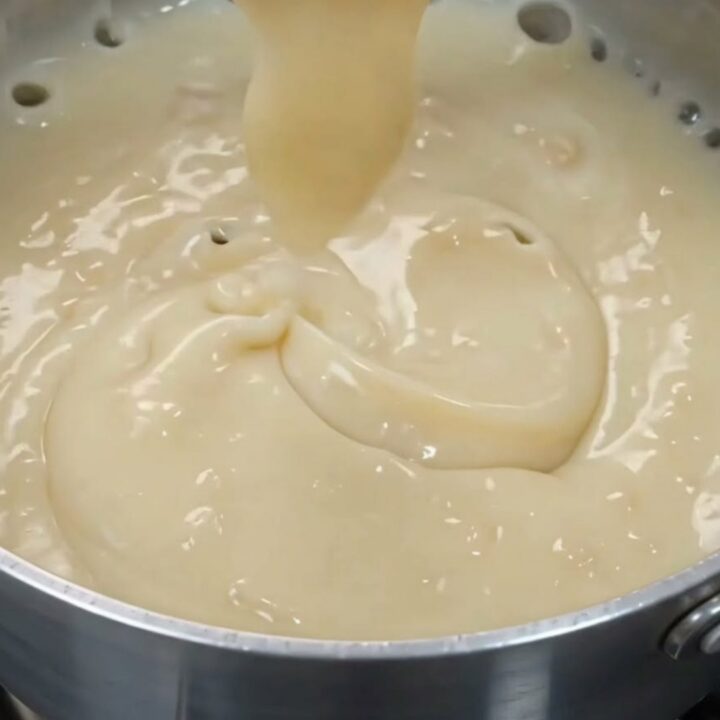
- Keep whisking until the pudding thickens enough that a lifted whisk leaves a thick ribbon holding its shape for a second before melting back in. This takes about six to eight minutes from the first steam, depending on the pan and the stove.
- Once the ribbon stage is reached, set a timer and simmer gently for two full minutes, whisking the whole time. Cornstarch needs this time past thickening to reach its full set and to lose the raw, chalky taste it carries when undercooked.
- Remove the pan from the heat and whisk in the vanilla extract. Off the heat is the right moment — vanilla's aroma fades quickly at a simmer, and adding it here keeps the flavor bright and clean through the last whisk strokes.
- Ladle the warm pudding straight from the pan into small serving bowls, filling them three-quarters full. Work while it is hot — coconut pudding sets quickly as it cools, and a ladle glides through the thick, glossy cream far more easily now than later.
- Serve the pudding warm, while steam still rises from each bowl, handing out spoons right away. The texture is at its most velvety in the first ten minutes; any bowls not eaten right away can cool and go into the refrigerator for later.
Estimated nutrition per serving
- Calories
- 540
- Protein
- 4 g
- Carbohydrates
- 30 g
- Fat
- 45 g
Next recipe
Churro-Crusted Fried Ice Cream in Edible Tortilla Bowls
See the recipe → →This recipe is based on a short cooking video and is published under the pen name Clara Weller. It was checked before publication, but errors can slip through. Nutrition, when shown, is an estimate. Read more in our editorial policy and on our food safety page.
More recipes to try
Churro Cheesecake Tortilla Flautas: Crispy, Oozy, 20 Minutes
Total time: 35 min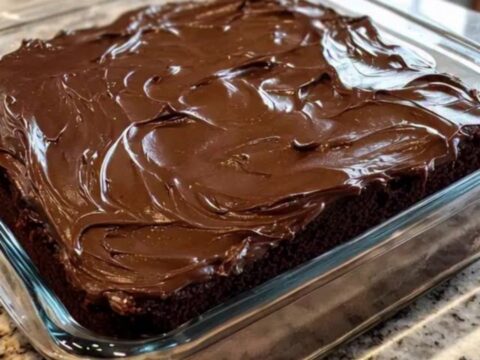
Moist Wacky Cake – One-Bowl Chocolate Classic
Total time: 1 h 45 min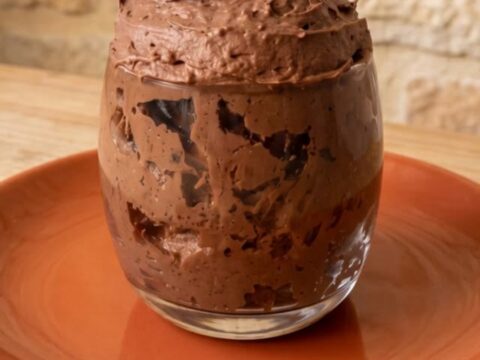
Sugar-Free 2-Ingredient Chocolate Mousse in 20 Minutes
Total time: 2 h 25 min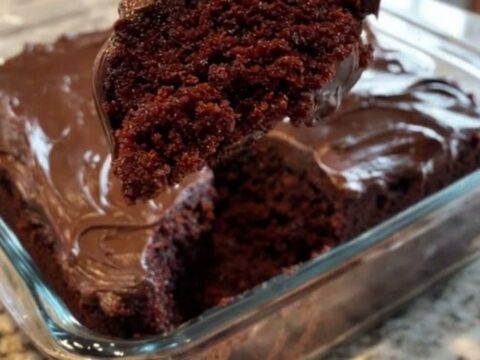
Chocolate Wacky Cake — Ultra-Fudgy, No Eggs Needed
Total time: 1 h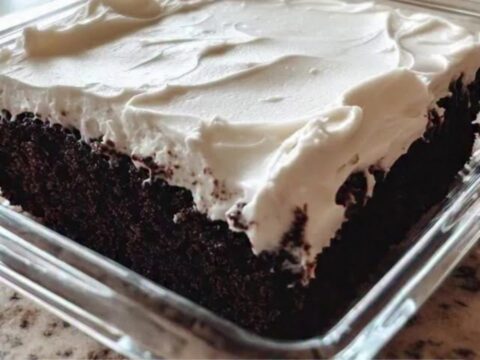
Wacky Chocolate Cake in One Dish, No Eggs or Butter Needed
Total time: 1 h 50 min