Desserts · Part 1 of 3: Ingredients
Chocolate Wacky Cake — Ultra-Fudgy, No Eggs Needed
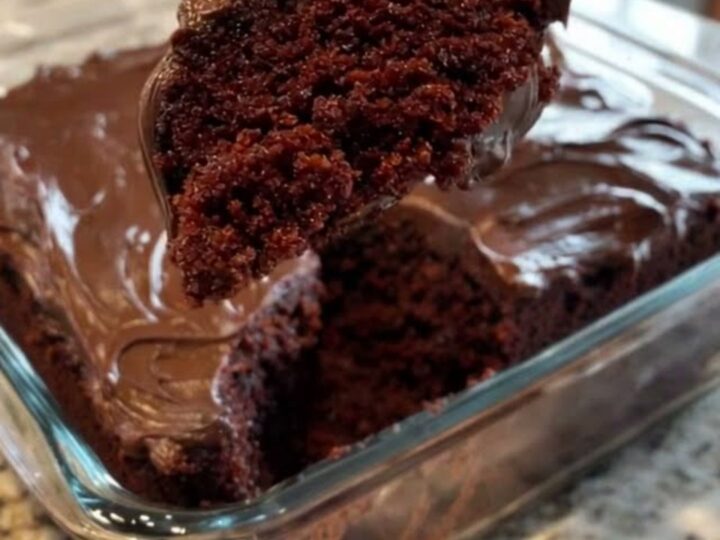
- Prep
- Cook
- Total
- Serves
- 9
A chocolate cake with no eggs, no milk and no butter sounds like a compromise. It is not. This wacky cake — the one-pan classic that dates back to Depression-era kitchens — bakes up dark, moist and genuinely fudgy, thanks to a simple chemical trick: baking soda and vinegar foam together in the pan and lift the crumb high. One bowl, one pan, about forty minutes, and a glossy chocolate frosting on top.
Wacky cake, also called crazy cake or depression cake, was born from scarcity: when eggs, milk and butter were rationed, home bakers discovered that cocoa, oil, vinegar and baking soda could produce a chocolate cake every bit as tender as a traditional one. The method is famously unusual — the dry ingredients go into the baking pan itself, three wells are pressed into the mix, and the wet ingredients pour straight in.
No stand mixer, no creaming, no waiting for butter to soften. The result is an ultra-moist, deeply chocolate crumb that stays fudgy for days, and it happens to suit anyone avoiding eggs. This version keeps the classic method and adds a rich, glossy cocoa frosting spread over the warm cake, softening slightly into the crumb. Nine generous squares come out of one 8-inch pan.
Ingredients
- 1 1/2 cups all-purpose flour
- 1 cup granulated sugar
- 1/4 cup unsweetened cocoa powder, plus more for the pan
- 1 tsp baking soda
- 1/2 tsp kosher salt
- 1 cup cool water
- 1/3 cup vegetable oil
- 1 tbsp white vinegar
- 1 tsp vanilla extract
Chocolate frosting
- 1/2 cup unsalted butter, softened
- 1/3 cup unsweetened cocoa powder
- 2 cups confectioners' sugar, sifted
- 3 tbsp whole milk, plus more if needed
- 1 tsp vanilla extract
Why this recipe works
The magic here is acid meeting base at the last possible second. Baking soda needs an acid to activate, and the vinegar sitting in its own well keeps the two apart until the water arrives and everything stirs together at once.
The foam that forms goes straight into the oven, so every bubble of carbon dioxide is trapped in the batter as it sets. That is why the cake rises evenly without eggs: the soda does the structural work that beaten eggs normally would.
The oil matters as much as the foam. Butter-based cakes firm up and lose moisture as they cool, because butter is solid at room temperature. Vegetable oil stays liquid, so the crumb keeps its soft, almost brownie-like texture for two or three days.
Cocoa provides the deep chocolate flavor without adding fat that would weigh the crumb down, and the fairly thin batter bakes into a cake that reads fudgy rather than airy. Mixing by hand, briefly, keeps the gluten relaxed so the texture stays tender instead of springy.
Notes and substitutions
Use natural unsweetened cocoa powder rather than Dutch-processed: the acidity of natural cocoa works alongside the vinegar to activate the baking soda, and Dutch-processed cocoa can leave the cake flat and pale. Granulated sugar, all-purpose flour and a neutral oil are all standard pantry items here. For the frosting, whole milk gives the glossiest finish, but any unsweetened plant milk works if the dairy-free route matters.
An 8-inch square pan is the right size; a 9-inch pan bakes the same batter into thinner squares, so check 5 minutes early. A glass dish, as shown, holds heat longer than metal — start checking for doneness 3 minutes before the timer.
Whisk the dry ingredients thoroughly whatever pan style is used, since cocoa loves to hide lumps. For a dairy-free cake, skip the butter frosting and dust the cooled cake with cocoa or confectioners' sugar instead.
- white vinegar: An equal amount of apple cider vinegar works the same way; the acid is what activates the baking soda, so do not skip it.
- vegetable oil: Melted coconut oil or any neutral oil such as canola keeps the crumb just as moist.
- whole milk in the frosting: Use unsweetened oat milk or almond milk to make the frosting dairy-free; the cake itself is already egg-free and dairy-free.
Equipment
- 8-inch square glass or metal baking pan
- whisk
- rubber spatula
- mixing bowl
- electric hand mixer
- offset spatula
Up next · Part 2 of 3
8 steps · 30 min of cooking · what to look for at each stage
Step-by-step instructions (Part 2)