Dinner · Part 3 of 3: Tips & recipe card
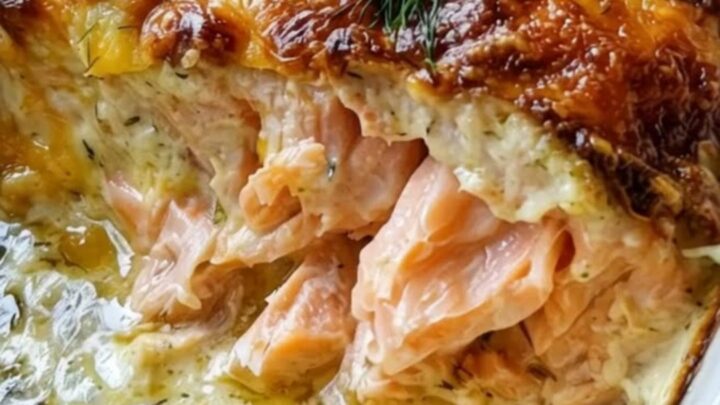
Creamy Baked Salmon Casserole with Golden Cheese Crust Tips, FAQ & printable recipe
- Prep
- Cook
- Total
- Serves
- 4
Tips for success
Temperature beats timing with salmon, every time. Ovens vary by as much as 25°F and fillet thickness varies even more, so the 22-to-28-minute window is a guide, not a promise. Start checking at 22 minutes in the thickest chunk, angling the thermometer sideways into the center of the fish rather than straight down through the cheese.
Pull the dish the moment it reads 145°F (63°C); salmon goes from perfect to dry in the space of five extra minutes, and carryover heat from the bubbling sauce continues cooking it on the counter.
Control the crust color with placement and foil. The center of the dish browns fastest because it sits directly over the heat, so concentrate Parmesan there and rotate the dish once during the bake.
If the top is browning ahead of schedule, lay a loose sheet of foil over it — never pressed down — and keep baking until the fish reaches temperature. For an extra-bronzed finish on a pale crust, a minute under the broiler does the job, but stand at the oven door the whole time; cheese goes from golden to scorched in under a minute.
Variations
- Garlic-herb version: Double the garlic and add a teaspoon of dried thyme to the sauce along with the dill. The extra aromatics perfume the cream as it bakes and give the finished casserole a more pronounced savory edge without changing the method or timing at all.
- Lemon-dill bake: Whisk the zest of one lemon and a tablespoon of fresh lemon juice into the sauce before pouring it over the salmon. Finish with extra dill and thin lemon slices tucked between the chunks for a brighter, more delicate take.
- Smoked paprika crust: Stir a teaspoon of smoked paprika into the cheese layer before scattering it on top. It browns into a deeper, rust-colored crust with a gentle smoky note that pairs especially well with the Parmesan edge.
- Small-dish version: Halve every ingredient and bake in an 8x8-inch dish for 18 to 22 minutes. The smaller volume browns faster and the fish cooks sooner, so start checking the temperature around the 15-minute mark.
Storage and make-ahead
- Fridge
- Cover and refrigerate within 2 hours; keeps up to 3 days. The sauce thickens as it chills and reheats smoothly.
- Freezer
- Freeze up to 2 months, tightly wrapped. Thaw overnight in the refrigerator; expect the sauce to firm up slightly.
- Reheat
- Cover with foil and warm at 325°F (165°C) for 15–20 minutes, or microwave gently in 45-second bursts until heated through.
Cool leftovers no more than 2 hours, then cover the dish tightly or transfer portions to airtight containers. Refrigerate for up to 3 days. The sauce absorbs into the fish as it sits, so next-day servings are creamier and less saucy than fresh ones — reheating gently restores the texture. Keep the dill garnish separate if planning to refresh the dish, and add it after warming so the herb stays bright green instead of darkening in the heat.
Assemble the casserole completely — salmon, sauce, and cheese — up to 24 hours ahead, cover, and refrigerate unbaked. Cold salmon and a cold ceramic dish add 5 to 8 minutes to the bake time, so rely on the thermometer rather than the clock.
Do not add the fresh dill garnish until after baking, and expect the crust to brown slightly less evenly from a cold start. Freezing is possible but not ideal: the cream sauce can separate slightly, so thaw overnight in the refrigerator and whisk a splash of cream into any pooled liquid before reheating.
Serving ideas
Serve this straight from the baking dish while the crust is still warm enough to pull, using a sturdy spatula to lift portions down through the cheese into the flaky salmon. A squeeze of lemon over each plate is the single best accompaniment — the acidity cuts through the cream and makes the dill sing.
Steamed rice, buttered egg noodles, or crusty bread all make excellent bases for catching the sauce, and a simple green salad or roasted broccolini rounds out the plate without competing.
For a dinner party, bake two smaller dishes rather than one large one and bring them out staggered, so the second arrives with its crust still bubbling. Leftovers make an excellent next-day lunch flaked over toast or folded into warm rice. A final scattering of fresh dill just before serving keeps the dish looking as good as it tastes — the green against the golden crust is half the appeal.
Frequently asked questions
Can this casserole be assembled ahead of time?
How do the leftovers reheat without drying out?
Why did the sauce turn watery in the oven?
Can frozen salmon be used in this recipe?
What should be served with salmon casserole?
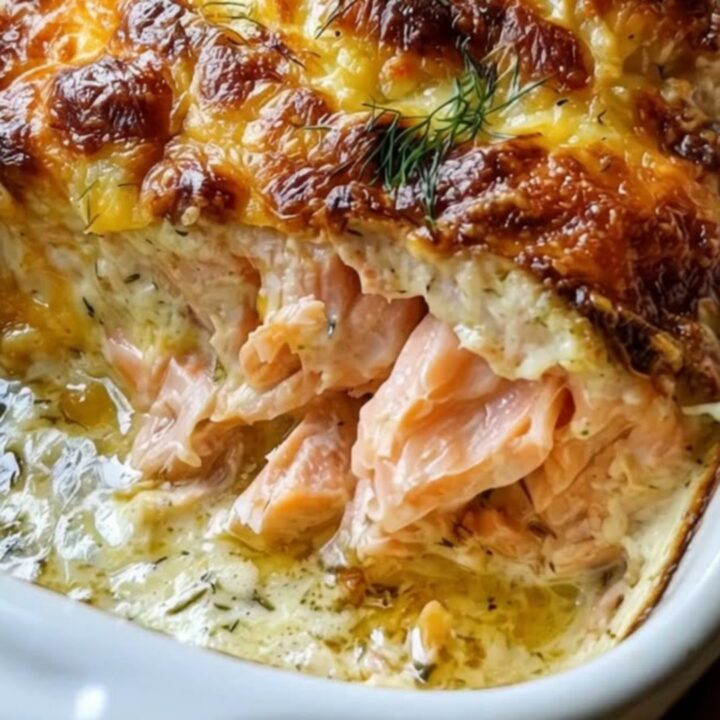
Creamy Baked Salmon Casserole with Golden Cheese Crust
Ingredients
- 1 1/2 lb skinless salmon fillets, cut into large chunks
- 1 tsp kosher salt, plus more to taste
- 1/2 tsp freshly ground black pepper
- 2 cloves garlic, minced
- 4 oz cream cheese, softened
- 3/4 cup heavy cream
- 1 cup shredded mozzarella
- 1/2 cup grated Parmesan
- 1 tbsp butter, for the baking dish
- 2 tbsp chopped fresh dill, plus more for serving
Instructions
- Heat the oven to 400°F (200°C) with a rack in the center. Butter a 9x13-inch baking dish all over, including the corners, so the creamy sauce never sticks and the cheese crust lifts away cleanly when scooping. Set the dish near the stove so assembly moves quickly.
- Pat the salmon chunks dry with paper towels, then season all over with the kosher salt and black pepper. Dry fish holds its shape and keeps the sauce from turning watery, so do not skip this step. Keep the chunks large, about 2 inches, so they stay juicy.
- In a mixing bowl, whisk the softened cream cheese until completely smooth, about 30 seconds. Pour in the heavy cream a little at a time, whisking until the mixture is silky and pourable, then stir in the minced garlic and half the dill. Season with a pinch of salt and taste before moving on.
- Arrange the seasoned salmon chunks in the buttered baking dish in a single snug layer, leaving small gaps between pieces so the sauce can flow around each one. Crowding the pieces tightly steams them unevenly, while too much space dries the edges, so aim for a comfortable fit.
- Pour the creamy sauce evenly over the salmon, nudging it with a spatula so it settles into the gaps without washing the seasoning off the top. Leave the highest points of the fish peeking above the sauce; they will brown nicely and give the casserole texture.
- Scatter the shredded mozzarella evenly over the sauce, then finish with the grated Parmesan, concentrating it slightly in the center where browning is strongest. Keep the layer even rather than piled high, so it melts into one cohesive golden crust instead of separate blobs.
- Bake at 400°F (200°C) for 22 to 28 minutes, until the crust is deep golden and the sauce bubbles at the edges. For an evenly browned top, rotate the dish once halfway through. If the crust colors before the fish is done, tent it loosely with foil and keep baking.
- Insert an instant-read thermometer into the thickest salmon piece: it should register 145°F (63°C), the safe temperature for fish, with the flesh flaking easily at a gentle nudge. If it reads lower, return the dish to the oven for 3-minute intervals and retest until it reaches temperature.
- Scatter the remaining fresh dill over the hot casserole and let it rest 5 minutes before scooping. The sauce thickens slightly as it stands, and the cheese crust sets enough to lift in satisfying, cheesy portions. Serve straight from the dish with a spatula, scooping down to the flaky salmon beneath.
Estimated nutrition per serving
- Calories
- 520
- Protein
- 34 g
- Carbohydrates
- 5 g
- Fat
- 39 g
Next recipe
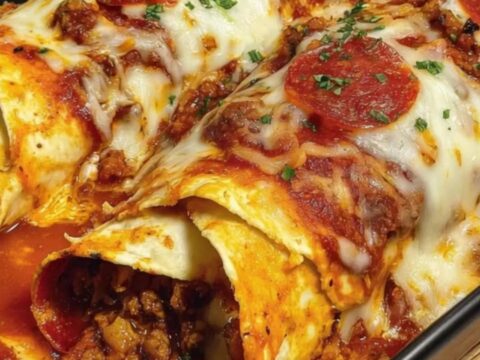
Ground Beef Pizza Enchiladas with Extra Cheese Pull
See the recipe → →This recipe is based on a short cooking video and is published under the pen name Clara Weller. It was checked before publication, but errors can slip through. Nutrition, when shown, is an estimate. Read more in our editorial policy and on our food safety page.
More recipes to try
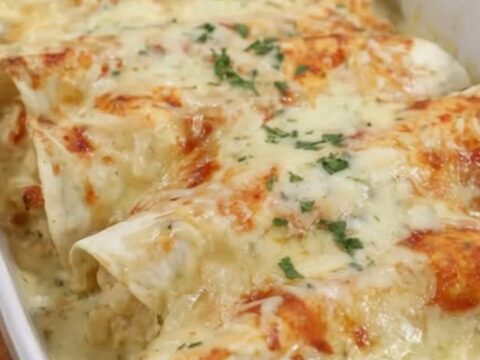
White Chicken Creamy Enchiladas with a Gooey Cheese Pull
Total time: 1 h 15 min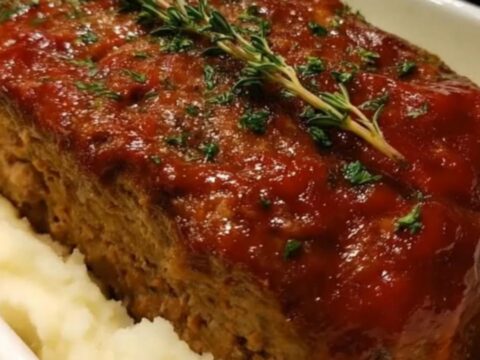
Glazed Meatloaf with Creamy Mashed Potatoes, One Pan
Total time: 1 h 35 min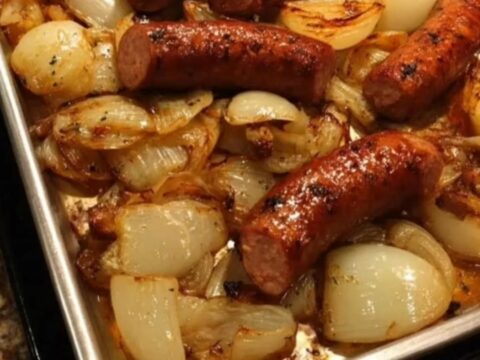
Sheet Pan Sausage and Onion Bake: One-Pan Dinner in 45 Minutes
Total time: 45 min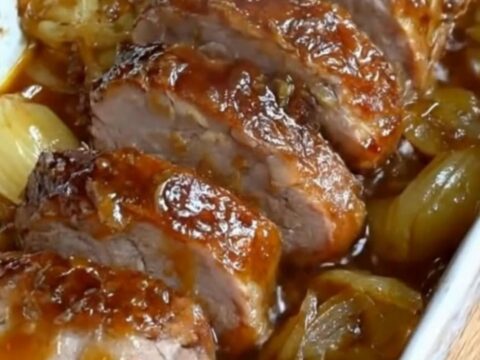
French Onion Pork Tenderloin — One Pan, Glossy Onion Sauce
Total time: 1 h 10 min
Honey Garlic Sausage Bake with Crispy Potatoes, One Pan
Total time: 55 min