Dinner · Part 3 of 3: Tips & recipe card
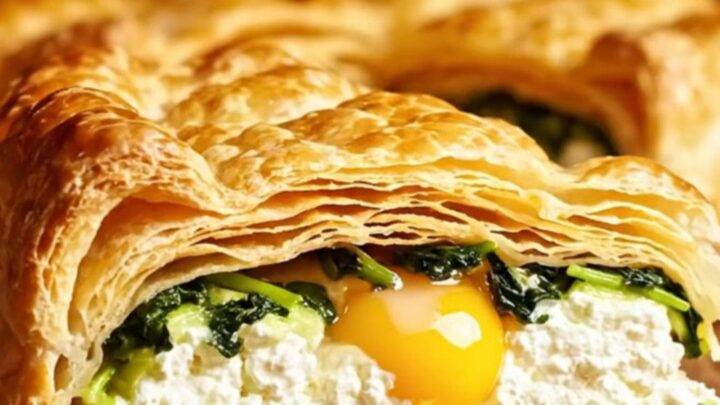
Torta Pasqualina: Golden Egg Savory Pie Tips, FAQ & printable recipe
- Prep
- Cook
- Total
- Serves
- 8
Tips for success
For the flakiest pastry, roll the dough as thin as possible without tearing. A well-floured surface and a light touch are key. Brushing each layer with olive oil not only adds flavor but also helps separate the layers as they bake.
If the dough becomes too soft, chill it briefly before rolling. The resting time is crucial for gluten relaxation, so do not rush it.
When adding the eggs, create wells that are deep enough to hold them without spilling over. Crack each egg into a small bowl first to check for freshness and to avoid shell fragments.
Use a gentle hand to slide the egg into the well. If you prefer firmer yolks, bake the pie a few minutes longer, but be careful not to overcook the pastry. The pie is best enjoyed the day it is made.
Variations
- Swiss Chard: Replace half of the spinach with Swiss chard. Wilt and squeeze it dry just like the spinach. The chard adds a slightly earthier flavor and a beautiful green color.
- Herb Ricotta: Add 1/4 cup chopped fresh herbs, such as parsley, basil, or oregano, to the ricotta filling. This brightens the flavor and adds a fresh aroma.
- Artichoke Hearts: Fold 1 cup chopped, cooked artichoke hearts into the ricotta filling. This adds a subtle tang and a tender texture that pairs well with the spinach.
- Sun-Dried Tomatoes: Stir 1/2 cup chopped sun-dried tomatoes (not oil-packed) into the ricotta filling. They add a sweet, intense tomato flavor that complements the eggs.
Storage and make-ahead
- Fridge
- Store in an airtight container in the refrigerator for up to 3 days. Reheat in a 350°F (175°C) oven for 10–15 minutes.
- Freezer
- Wrap the baked, cooled pie tightly in plastic wrap and foil. Freeze for up to 1 month. Thaw overnight in the refrigerator before reheating.
- Reheat
- Reheat slices in a 350°F (175°C) oven for 10–15 minutes, or until warmed through. Avoid microwaving, as it makes the pastry soggy.
Store leftover Torta Pasqualina in an airtight container in the refrigerator for up to 3 days. To reheat, place slices in a 350°F (175°C) oven for 10–15 minutes, until warmed through. The pastry will lose some crispness but will still be delicious. Leftovers can also be enjoyed cold, straight from the fridge.
The pastry dough can be made up to 2 days ahead and kept wrapped in the refrigerator. The spinach filling can also be prepared a day in advance and stored in the fridge. Assemble the pie just before baking. The baked pie can be made a day ahead and reheated, but the pastry is crispiest when served fresh.
Serving ideas
Serve Torta Pasqualina warm, at room temperature, or even chilled. It is a versatile dish that works for brunch, lunch, or a light dinner.
Pair it with a simple green salad dressed with lemon and olive oil, or with roasted vegetables. The pie is substantial enough to be a main course, but can also be cut into smaller slices for an appetizer.
For a festive presentation, arrange the wedges on a platter and garnish with fresh herbs, such as basil or parsley. This pie is often served during Easter, but it is wonderful any time of year.
The combination of spinach, ricotta, and eggs is classic Italian comfort food. Enjoy it with a glass of crisp white wine, such as Vermentino or Pinot Grigio.
Frequently asked questions
Can this pie be made ahead of time?
Why does the bottom crust become soggy?
Can this recipe be made without eggs?
How should leftover pie be stored?
Can this pie be frozen?
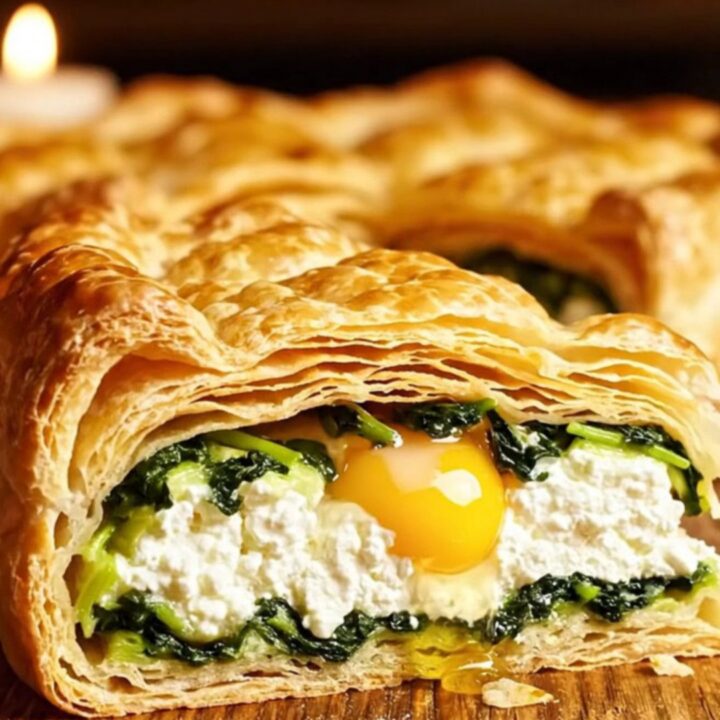
Torta Pasqualina: Golden Egg Savory Pie
Ingredients
- 3 1/2 cups all-purpose flour
- 1 tsp kosher salt
- 1/2 cup extra-virgin olive oil
- 3/4 cup warm water
- 2 lb fresh spinach
- 2 cups whole-milk ricotta
- 1/2 cup grated Parmesan
- 1/4 tsp ground nutmeg
- 1/2 tsp black pepper
- 6 large eggs
Instructions
- In a large bowl, combine the flour and salt. Add the olive oil and warm water, and mix with a fork until a shaggy dough forms. Turn the dough onto a lightly floured surface and knead for about 5 minutes until smooth and elastic. Cover with a damp towel and let rest for 30 minutes.
- Heat a large skillet over medium-high heat. Add the spinach in batches, stirring, until wilted, about 3 minutes. Transfer to a colander and press out excess liquid. Once cool enough to handle, chop the spinach coarsely. In a bowl, combine the chopped spinach, ricotta, Parmesan, nutmeg, and black pepper.
- Divide the dough into 6 equal pieces. On a floured surface, roll one piece into a thin circle about 12 inches in diameter. Fit it into a 9-inch baking dish, letting the edges overhang. Brush lightly with olive oil. Repeat with a second piece, placing it over the first and brushing with oil. Continue until 4 layers are in the dish.
- Spread the spinach ricotta filling evenly over the pastry layers. Use the back of a spoon to make six evenly spaced wells in the filling. Crack one egg into each well, being careful not to break the yolk. Season the eggs lightly with salt and pepper.
- Roll out the remaining 2 dough pieces into thin circles. Place one over the filling, brush with olive oil, then place the second on top. Press the edges of the top pastry together with the bottom layers to seal. Trim excess dough and crimp the edges. Brush the top with olive oil and cut a few small slits for steam to escape.
- Preheat the oven to 375°F (190°C). Place the pie on a baking sheet and bake for 45 to 50 minutes, until the pastry is deep golden brown and crisp. If the top browns too quickly, cover loosely with foil for the last 15 minutes.
- Remove the pie from the oven and let it rest on a cooling rack for at least 15 minutes. This allows the filling to set and the pastry to firm up. Slice into wedges with a sharp knife, cutting through the egg yolks to show the golden cross-section.
Estimated nutrition per serving
- Calories
- 420
- Protein
- 18 g
- Carbohydrates
- 35 g
- Fat
- 24 g
Next recipe

Pepperoni Ricotta Hot Honey Stromboli Braid
See the recipe → →This recipe is based on a short cooking video and is published under the pen name Clara Weller. It was checked before publication, but errors can slip through. Nutrition, when shown, is an estimate. Read more in our editorial policy and on our food safety page.
More recipes to try

Crispy Accordion-Fold Crinkle Phyllo Pizza Tart
Total time: 45 min
Italian Pizza Rustica: Meaty, Cheesy Easter Pie
Total time: 1 h 35 min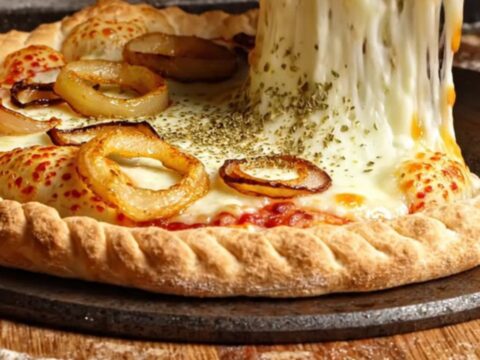
Giant Fugazzeta Empanada Pie with Stuffed Mozzarella
Total time: 1 h 5 min
Spicy Buffalo Chicken Calzone with Blue Cheese
Total time: 45 min
Crispy Philly Cheesesteak Stromboli for Game Day
Total time: 40 min