Dinner · Part 3 of 3: Tips & recipe card
Cheesy Potato Herb Flatbreads: Golden Skillet Bread Tips, FAQ & printable recipe

- Prep
- Cook
- Total
- Serves
- 4
Tips for success
For an extra golden crust, brush the flatbreads with melted butter immediately after cooking. This adds a glossy sheen and rich flavor.
If you prefer a crispier exterior, cook the flatbreads a little longer on each side, but watch carefully to avoid burning. The flatbreads are best served fresh from the skillet, but they can be kept warm in a low oven (200°F) for up to 30 minutes.
When rolling the dough, use a light hand to avoid compressing it too much. The dough should be rolled evenly, about 1/4-inch thick. If the dough sticks to the rolling pin, dust it lightly with flour. For a more rustic look, you can also press the dough out with your hands instead of a rolling pin.
Variations
- Spicy Kick: Add 1/2 teaspoon red pepper flakes or a pinch of cayenne pepper to the dough for a subtle heat. Serve with a cooling yogurt dip to balance the spice.
- Cheese Swap: For a sharper flavor, use aged cheddar or Gruyère instead of kaşar. For a smoky twist, try smoked mozzarella or provolone.
- Herb Garden: Mix in other soft herbs like chives, tarragon, or basil. Use about 1/4 cup total of your favorite combination.
- Garlic Butter: After cooking, brush the flatbreads with melted butter mixed with minced garlic and a pinch of salt. This adds a savory, aromatic finish.
Storage and make-ahead
- Fridge
- Store leftover flatbreads in an airtight container in the refrigerator for up to 4 days. Reheat in a skillet or toaster oven to restore crispness.
- Freezer
- Freeze cooked flatbreads in a single layer on a baking sheet, then transfer to a freezer-safe bag for up to 2 months.
- Reheat
- Reheat flatbreads in a dry skillet over medium heat for 1-2 minutes per side, or in a toaster oven at 350°F until hot and slightly crisp.
Leftover flatbreads can be stored in an airtight container at room temperature for up to 2 days. To reheat, warm them in a dry skillet over medium heat for 1-2 minutes per side, or in a toaster oven until heated through. They are best when reheated, as they soften and become chewy when stored.
The dough can be prepared up to 1 day ahead and kept in the refrigerator, wrapped tightly in plastic wrap. Bring the dough to room temperature before rolling and cooking.
You can also cook the flatbreads and reheat them later, but they are best fresh. The dough is not suitable for freezing, as the texture may change.
Serving ideas
Serve these flatbreads warm, stacked on a plate, with the option to tear them open and reveal the cheesy, herb-flecked interior.
They are wonderful alongside a bowl of soup, a hearty stew, or a fresh green salad. You can also use them as a base for toppings, like a simple tomato and basil salad, or as a side to grilled meats.
For a complete meal, serve the flatbreads with a dollop of sour cream or yogurt, and a sprinkle of fresh herbs.
They also make a great appetizer when cut into wedges and served with a dipping sauce, such as a garlic yogurt or a spicy tomato chutney. The flatbreads are versatile and can be enjoyed at any meal of the day.
Frequently asked questions
Can the dough be made ahead of time?
What if the dough is too sticky to roll?
Can these flatbreads be baked instead of pan-fried?
How do you know when the flatbreads are cooked through?
Can the flatbreads be frozen?
Cheesy Potato Herb Flatbreads: Golden Skillet Bread

Ingredients
- 400 g mashed potatoes (about 2 cups)
- 1 cup grated kaşar cheese (or mozzarella)
- 1/4 cup fresh dill, chopped
- 1/4 cup fresh flat-leaf parsley, chopped
- 1 large egg, lightly beaten
- 1 1/2 cups all-purpose flour, plus more for dusting
- 1/2 tsp salt
- 2 tbsp butter, for frying
Instructions
- In a large bowl, combine the mashed potatoes, grated kaşar cheese, chopped dill, and parsley. Add the beaten egg and salt, then stir until well combined. Gradually add the flour, mixing with a fork or your hands until a soft dough forms. The dough will be slightly sticky but should hold together. If it feels too wet, add a little more flour, a tablespoon at a time.
- Turn the dough out onto a lightly floured surface. Knead gently a few times to bring it together, then divide into 4 equal portions. Roll each portion into a ball, then flatten into a disc about 1/2-inch thick. Dust with flour as needed to prevent sticking.
- On a lightly floured surface, roll each disc into a round about 1/4-inch thick and 6-7 inches in diameter. The dough may be slightly irregular; that's fine. Dust with flour to keep from sticking.
- Place a large skillet or griddle over medium-high heat. Add the butter and let it melt, swirling to coat the pan. The butter should sizzle gently when the flatbread hits the pan.
- Carefully place one flatbread in the hot skillet. Cook for 2 minutes, or until the bottom is golden and blistered. The dough will puff slightly and the surface will show brown spots.
- Flip the flatbread with a spatula and cook for another 2 minutes, until the second side is golden and the bread feels puffed and cooked through. Transfer to a plate and repeat with the remaining dough, adding more butter to the skillet as needed.
- As the flatbreads finish, stack them on a warm plate. Serve immediately, tearing them open to reveal the steamy, cheesy interior.
Estimated nutrition per serving
- Calories
- 320
- Protein
- 11 g
- Carbohydrates
- 38 g
- Fat
- 14 g
Next recipe

Crispy 1-Egg Chicken Nuggets with Creamy Pepper Sauce
See the recipe → →This recipe is based on a short cooking video and is published under the pen name Clara Weller. It was checked before publication, but errors can slip through. Nutrition, when shown, is an estimate. Read more in our editorial policy and on our food safety page.
More recipes to try

Crispy Homemade Chicken Nuggets with Creamy Pepper Sauce
Total time: 55 min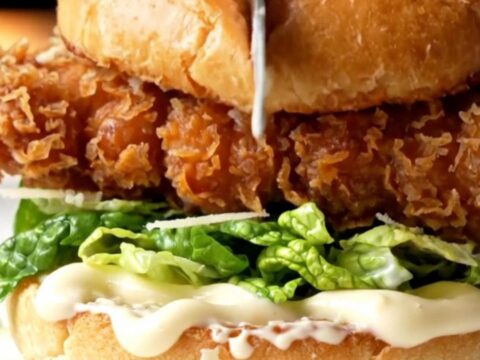
Crispy Chicken Caesar Sandwich: Golden, Crunchy, Quick
Total time: 25 min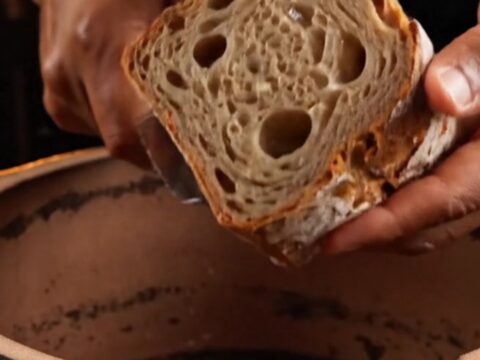
Crusty Artisan Sourdough Bread with Open Crumb
Total time: 17 h 10 min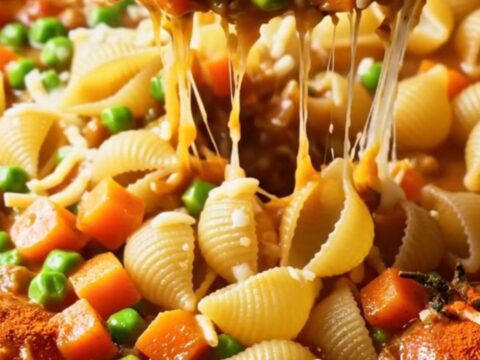
One-Pan Giant Meatball Shell Pasta with Peas and Carrots
Total time: 40 min
Golden Greek Chicken Wraps: Quick & Flavorful
Total time: 30 min