Dinner · Part 3 of 3: Tips & recipe card
Cajun Blackened Salmon and Creamy Gulf Shrimp Skillet in One Pan Tips, FAQ & printable recipe
- Prep
- Cook
- Total
- Serves
- 2
Tips for success
Keep the pan hot but never smoking. The butter should foam steadily and turn lightly golden, which tells you the milk solids are toasting and adding nutty flavor. If the butter starts to darken too quickly, turn the heat down slightly before adding the fish. Work quickly once the shrimp go in, because the entire sear for the shrimp takes only a few minutes. Have the peppers, celery and cheese ready on the board before you start cooking, so you can add them without delay and keep the sauce from breaking.
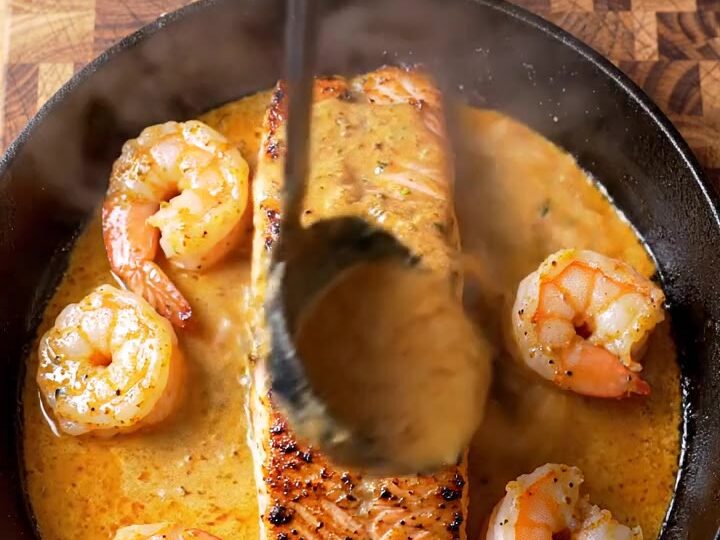
Use your tongs to lift and turn the fillets gently, and baste them with the spoon as the sauce forms. Basting spreads the butter and cheese over the top of the fish and keeps the flesh moist while the crust develops.
If you notice the cheese sticking to the bottom of the pan, scrape gently with the spoon and add a tablespoon of water to loosen the sauce. Taste the sauce before serving, because hard grating cheese is already salty and you may need only a little extra pepper or spice rather than more salt.
Variations
- Shrimp Only Version: Omit the salmon and sear a larger amount of shrimp in the butter, then build the same bell pepper and cheese sauce. Serve the shrimp over rice with the parsley and lemon wedges for a lighter but equally rich skillet dinner.
- Spicier Blackening: Increase the cayenne in the Cajun spice blend by half a teaspoon and add a pinch of crushed red pepper to the butter. The crust turns darker and the cream carries more heat, which suits cooks who enjoy a bold kick.
- Pecorino Twist: Replace the hard grating cheese with finely grated Pecorino Romano for a sharper, saltier sauce. Reduce the kosher salt slightly, because Pecorino is more salty than many other hard cheeses, and taste before seasoning.
- Garlic Butter Finish: Stir an extra tablespoon of melted butter and one more minced garlic clove into the sauce just before serving. The added richness gives the cream a glossier finish and a deeper garlic aroma that suits the seafood.
Storage and make-ahead
- Fridge
- Refrigerate leftover salmon and shrimp in a sealed container within 2 hours and eat within two days.
- Reheat
- Reheat gently in a skillet over low heat with a splash of water until warmed through and the sauce is smooth again.
Leftover blackened salmon and shrimp should be cooled for no more than 2 hours at room temperature before going into the refrigerator. Transfer the fish, shrimp and sauce to a shallow airtight container so they chill quickly and evenly. Keep the parsley and green onion separate, because they wilt in the sauce and lose their fresh flavor.
Store the container in the coldest part of the refrigerator and eat the leftovers within two days for the best texture and flavor. Do not leave cooked seafood out during a buffet or on the counter, and discard any portion that has been left out longer than two hours. The creamy sauce thickens as it chills, so you may want to loosen it with a spoonful of warm water when reheating.
Several parts of this dish can be prepared in advance so that the final cooking takes only a few minutes. Mix the Cajun spice blend and store it in a sealed jar at room temperature for up to three months, so you can press it onto the fish without measuring. Dice the bell peppers and celery and keep them in a covered container in the refrigerator for up to one day.
Grate the hard cheese and store it in an airtight bag, although fresh grating gives the smoothest melt. Mince the garlic and chop the parsley shortly before cooking, because both lose their bright flavor when held for long. Pat the salmon and shrimp dry and keep them chilled until the pan is hot, since raw seafood should not wait at room temperature for more than 30 minutes.
Serving ideas
Serve the skillet straight from the stove to the table so the sauce stays hot and glossy and the blackened crust keeps its crunch. Set it in the center with a large serving spoon and let each person take a portion of flaked salmon, several shrimp and plenty of the creamy sauce.
Warm, crusty bread is ideal for soaking up the cheese cream, and a crisp green salad or steamed rice provides a clean contrast to the rich sauce. Offer extra lemon wedges so each diner can squeeze a fresh burst of acidity over the fish and shrimp.
For a relaxed weeknight dinner, plate the salmon and shrimp in shallow bowls with the sauce spooned around them, and finish each bowl with a sprinkle of parsley and sliced green onion. Pair it with a cold lager or a dry, crisp white wine that cuts through the butter and cheese. Keep the table simple, since the spices and the sauce already carry plenty of flavor. Leftover sauce on a slice of bread makes a satisfying next-day snack.
Frequently asked questions
Can this blackened salmon be cooked without cast iron?
Why does the cheese sauce sometimes turn grainy or separate?
How do you know the salmon is cooked without overcooking it?
Can the spice coating be made in advance?
What should you serve with this Cajun skillet dinner?
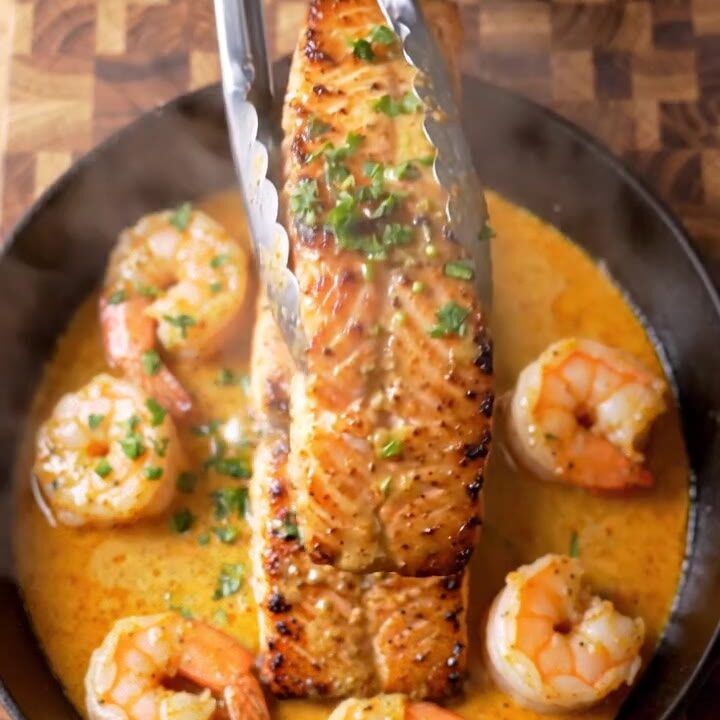
Cajun Blackened Salmon and Creamy Gulf Shrimp Skillet in One Pan
Ingredients
- 2 salmon fillets, thick cut
- 8 oz raw shrimp, peeled and deveined
- 2 tbsp Cajun spice blend
- 1/2 tsp kosher salt
- 3 tbsp unsalted butter
- 3 cloves garlic, minced
- 1 red and yellow bell pepper, diced
- 1 stalk celery, diced
- 1 cup finely grated hard grating cheese
- 2 green onions, sliced
- 2 tbsp chopped fresh parsley
- 1 lemon, cut into wedges
Instructions
- Keep the salmon and shrimp refrigerated until you start cooking. Pat the salmon fillets dry, season them lightly with kosher salt, and press the Cajun spice blend evenly over the flesh and skin. Dice the red and yellow bell peppers and the celery, and set them aside on the board.
- Grate the hard grating cheese over a board with a fine-hole box grater until you have a fluffy mound of about one cup. Keep it covered and cool until the pan is ready for it.
- Melt the butter in the cast-iron skillet over medium-high heat until it foams. Place the salmon fillets skin side down, add the shrimp around them, and spoon the minced garlic over the top. Cook 3 to 4 minutes until the crust is deep brown and the shrimp start to turn pink.
- Turn the salmon, scatter the diced bell peppers and celery into the butter, and grate the cheese directly over the fish and sauce. Baste the fillets with a spoon and stir gently until the cheese melts into a creamy, orange-tinged sauce with the peppers mixed in.
- Continue cooking, basting the fillets, until the salmon is opaque and flakes easily, and the shrimp are pink, curled and opaque. Check the thickest part of the salmon with an instant-read thermometer. Let the fish rest for 2 minutes in the skillet before serving.
- Flake the blackened salmon fillets into large pieces and arrange them in the skillet with the shrimp around them in the creamy sauce. Scatter the chopped parsley and sliced green onion over the top and serve with lemon wedges to squeeze over each portion.
Estimated nutrition per serving
- Calories
- 640
- Protein
- 52 g
- Carbohydrates
- 12 g
- Fat
- 42 g
- Fiber
- 2 g
- Sugar
- 3 g
- Sodium
- 1100 mg
Next recipe
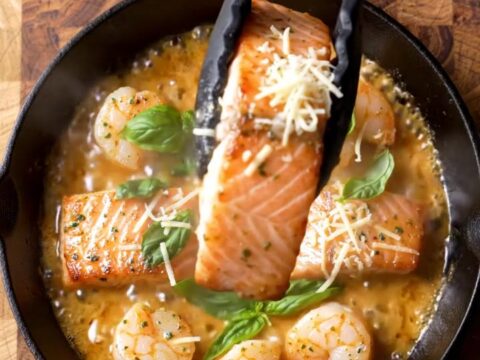
Tuscan Salmon with Scallops in Vodka Cream Sauce
See the recipe → →This recipe is based on a short cooking video and is published under the pen name Clara Weller. It was checked before publication, but errors can slip through. Nutrition, when shown, is an estimate. Read more in our editorial policy and on our food safety page.
More recipes to try
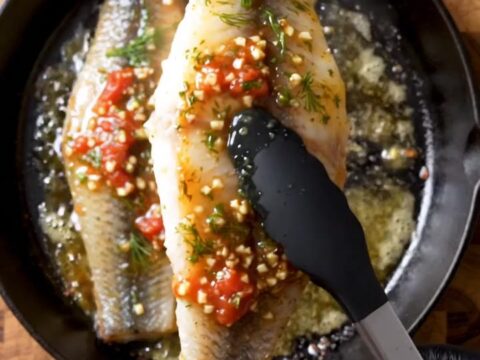
Garlic Herb Butter Pan-Seared Arctic Char with Blistered Tomatoes
Total time: 27 min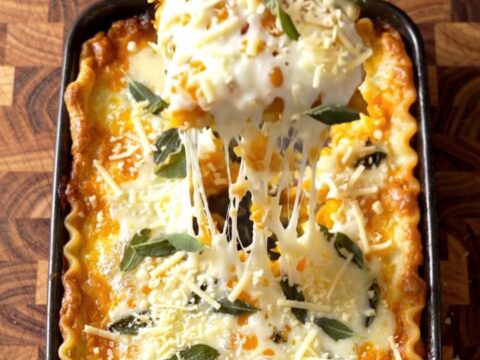
Butternut Sage Lasagna in a Brown Butter Fontina Skillet
Total time: 1 h 50 min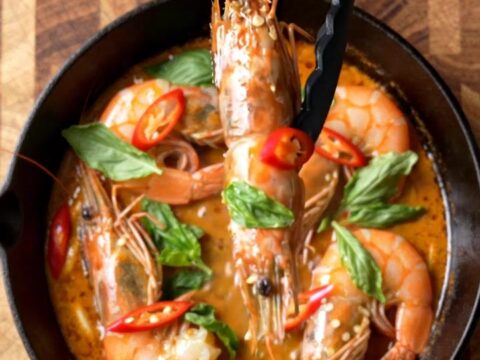
Thai Red Curry Prawn Skillet in One Pan in Under 30 Minutes
Total time: 32 min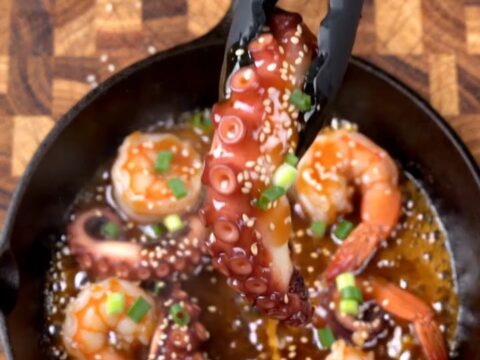
Honey Gochujang Shrimp and Charred Octopus Skillet in Garlic Butter
Total time: 35 min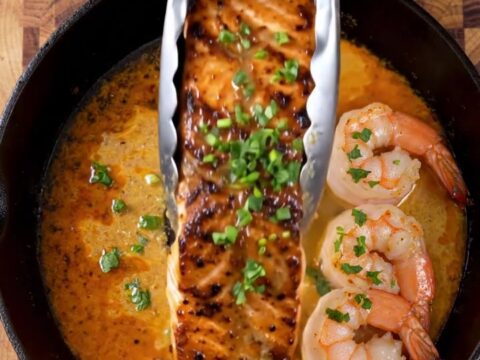
Cajun Blackened Salmon with Creamy Shrimp Skillet
Total time: 35 min