Dinner · Part 3 of 3: Tips & recipe card
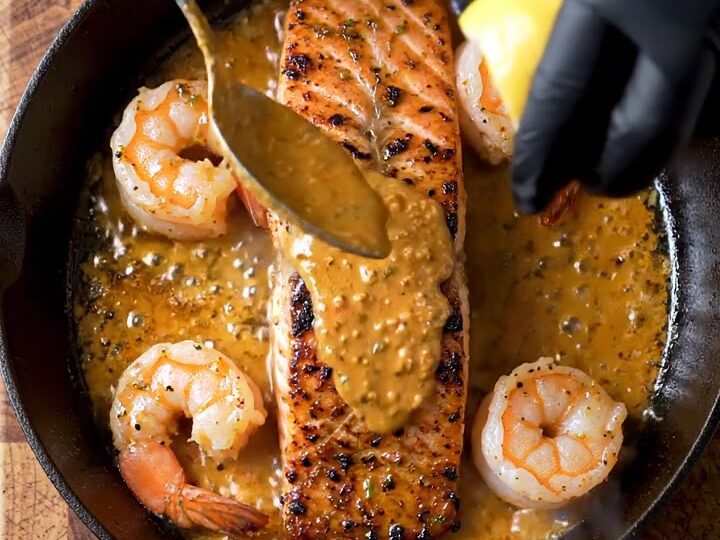
Cajun Blackened Salmon with Creamy Gulf Shrimp Skillet Tips, FAQ & printable recipe
- Prep
- Cook
- Total
- Serves
- 2
Tips for success
Keep the heat high enough to build a crust but never so high that the butter smokes heavily; a steady medium-high flame works well for cast iron. Work quickly once the sauce goes in so the cream does not reduce too far.
Taste the sauce before adding salt, because Cajun seasoning and hard cheese both carry a lot of salt. Add a pinch of extra Cajun seasoning at the table if you want more heat. Serve with crusty bread to soak up the sauce from the skillet.
Variations
- Lighter Half-and-Half Sauce: Replace the heavy cream with half-and-half for a looser sauce with less richness. Simmer a little longer so the cheese can thicken it, and keep the heat gentle to prevent curdling.
- Spicier Blackened Crust: Increase the Cajun seasoning by one teaspoon and add a pinch of cayenne pepper to the rub. The extra heat intensifies the blackened crust and pairs well with the sweet shrimp and rich cream sauce.
- Herbed Finish: Add a small handful of chopped chives or green onions alongside the parsley for a fresh, sharp finish. They brighten the sauce and give the plate a lively green contrast against the dark crust.
- Cheesy Shrimp Skillet: Scatter an extra spoonful of grated hard cheese over the shrimp during the final simmer so it melts into golden, crisp edges. This variation leans further into the creamy, savory character of the sauce.
Storage and make-ahead
- Fridge
- Store leftovers in an airtight container and refrigerate within 2 hours of cooking. Eat within two days.
- Reheat
- Reheat gently in a skillet over low heat with a splash of cream until the sauce is hot and the fish reaches 145°F (63°C).
Leftover salmon, shrimp and sauce should be cooled for no more than 2 hours at room temperature and then transferred to a shallow airtight container. Refrigerate them within that window so the seafood stays safe and the sauce stays creamy. Eat the leftovers within two days for the best texture and flavor.
The crust softens in the refrigerator, but the flavor remains good. Keep the parsley separate until serving, since it wilts and darkens in the sauce. Do not leave the dish out on the counter during a long dinner, and return any remaining portions to the refrigerator promptly.
You can season the salmon and shrimp up to several hours before cooking, provided they stay covered and refrigerated. Dice the celery and pepper and grate the cheese the same morning so they stay fresh. Keep the heavy cream chilled until you need it.
Do not cook the full dish in advance, since the crust softens and the sauce thickens too much on standing. If you prepare the components ahead, cook the dish just before serving, which takes only about 15 minutes. Storing the seasoned seafood uncovered in the refrigerator for a short time can help the surface dry further and sear better.
Serving ideas
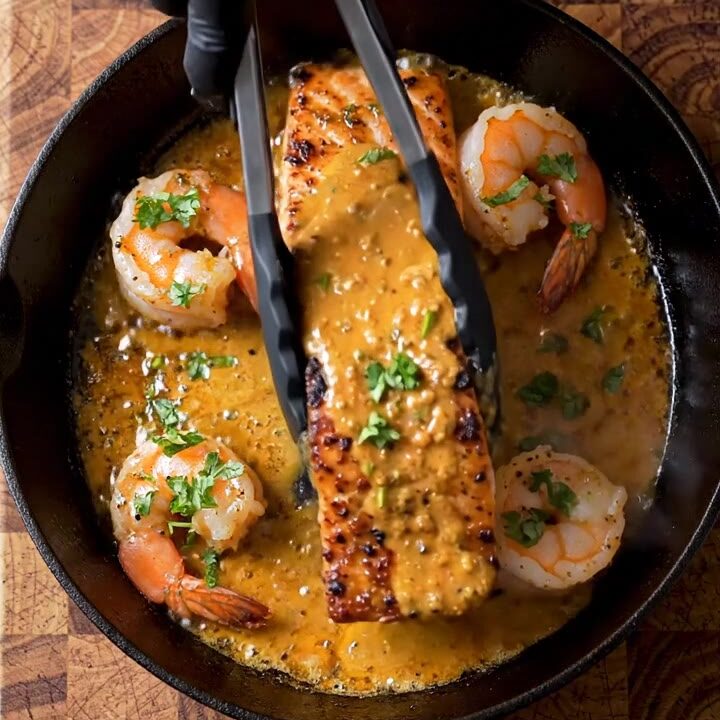
Serve the skillet at the table so everyone can see the blackened salmon and the shrimp curled around the fillet. Spoon the glossy sauce over each portion and finish with a generous sprinkle of chopped parsley.
Steamed rice, buttered grits or crusty French bread all soak up the sauce well. A simple green salad with a sharp vinaigrette balances the richness of the cream and cheese without competing with the spice.
For a more casual meal, plate the salmon and shrimp in shallow bowls and add a side of roasted potatoes or corn on the cob. Keep extra Cajun seasoning and a wedge of lemon on the table so guests can adjust the heat and brightness.
The dish pairs well with a cold lager or an iced tea, and it works just as well for a relaxed dinner for two as for a small gathering.
Frequently asked questions
Can you use frozen salmon for blackened salmon?
Why does the cream sauce sometimes separate?
How do you keep the salmon from sticking to the skillet?
Is Cajun seasoning very spicy?
What is the best way to tell when the shrimp are done?
Cajun Blackened Salmon with Creamy Gulf Shrimp Skillet
Ingredients
- 2 thick salmon fillets, skin removed
- 8 oz peeled Gulf shrimp, deveined
- 2 tbsp Cajun seasoning, plus more to taste
- 3 tbsp unsalted butter
- 2 stalks celery, finely diced
- 1/2 cup diced red bell pepper
- 1 cup heavy cream
- 1/2 cup finely grated hard cheese, such as Parmesan
- fresh parsley, chopped, for serving
Instructions
- Pat the salmon fillets and shrimp dry with paper towels. Sprinkle the Cajun seasoning evenly over both sides of the salmon and toss the shrimp with a spoonful of the seasoning. Keep the fish chilled until the skillet is hot.
- Finely dice the celery stalks and the red bell pepper so they cook quickly and blend into the sauce. Set them aside on the cutting board near the fish.
- Grate the hard cheese on the small holes of a box grater so it melts quickly into the cream. Grate it just before adding it to the pan.
- Place the cast iron skillet over medium-high heat and add the butter. Let it melt and bubble before adding anything else, then add the celery and bell pepper and cook for about 2 minutes until just softened.
- Lay the seasoned salmon in the skillet and sear for 3 to 4 minutes without moving it until the coating darkens and forms a charred crust. Add the seasoned shrimp around the fish and cook for 1 minute more.
- Flip the salmon with tongs and sear the other side for 2 to 3 minutes. Pour the heavy cream over the fish and shrimp, then scatter the grated cheese on top and simmer gently until the sauce thickens and the shrimp turn pink and curl.
- Spoon the thick sauce over the salmon and shrimp so the fish is coated. Check that the salmon reaches 145°F (63°C) at the thickest part and the shrimp are opaque. Remove from the heat and sprinkle with chopped parsley.
- Bring the skillet to the table and spoon the shrimp, sauce and salmon onto plates, or serve straight from the pan. Add extra Cajun seasoning to taste at the table.
Estimated nutrition per serving
- Calories
- 820
- Protein
- 52 g
- Carbohydrates
- 8 g
- Fat
- 62 g
- Fiber
- 1 g
- Sugar
- 2 g
- Sodium
- 1100 mg
Next recipe

Crispy Smashed Potatoes with Molten Raclette Cheese in One Skillet
See the recipe → →This recipe is based on a short cooking video and is published under the pen name Clara Weller. It was checked before publication, but errors can slip through. Nutrition, when shown, is an estimate. Read more in our editorial policy and on our food safety page.
More recipes to try
Tuscan Salmon and Scallop Vodka Cream Skillet in One Pan
Total time: 45 min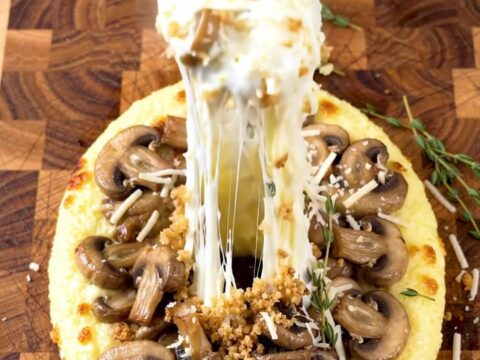
Garlic Butter Mushroom Parmesan Polenta Skillet for Crispy Weeknight Dinner
Total time: 1 h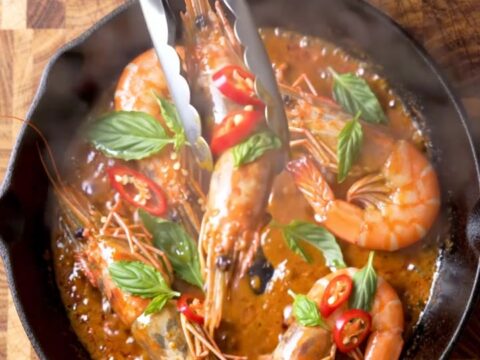
Thai Red Curry Prawns in One Skillet in Under 30 Minutes
Total time: 25 min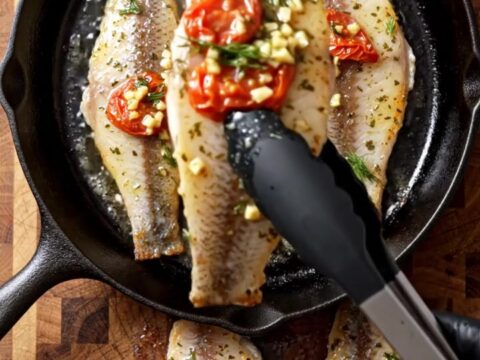
Pan-Seared Arctic Char with Garlic Herb Butter and Crispy Skin
Total time: 27 min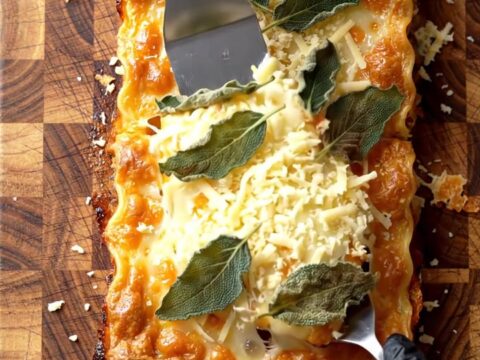
Butternut Squash Sage Lasagna with Brown Butter Skillet
Total time: 1 h 20 min