Dinner · Part 3 of 3: Tips & recipe card
Brown Butter Seared Sea Scallops with Sage and Squash in One Skillet Tips, FAQ & printable recipe
- Prep
- Cook
- Total
- Serves
- 2
Tips for success
Keep the scallops cold until the pan is ready, and season them just before they go in. Cold, dry scallops hold their shape better and build the golden crust that defines this dish. If you cannot get the scallops dry enough, let them sit uncovered on paper towels for a few minutes before searing.
Watch the butter closely from the moment it begins to foam. Once the milk solids turn golden brown and smell nutty, reduce the heat or lift the pan off the burner for a few seconds. Brown butter is delicious at its peak but turns bitter within moments, so keep the pan moving and have your plates ready before the scallops come out of the skillet.
Variations
- Sweet potato version: Replace the butternut squash with diced sweet potato of similar size. It softens and caramelizes in the brown butter in about the same time, giving a slightly sweeter, more earthy base for the seared scallops and crisp sage.
- Pecorino finish: Use finely grated aged Pecorino Romano instead of the hard aged cheese. It is saltier and sharper, so reduce the flaky sea salt slightly and let the cheese melt into lacy edges in the hot butter as directed.
- Extra sage: Add a few more fresh sage leaves to the brown butter with the squash. Extra leaves crisp into a bolder, herbal garnish that pairs well with the nutty butter and the sweet, caramelized squash.
- Larger scallops: Use jumbo sea scallops and sear them a little longer on each side. Keep the single layer and let each side form a deep golden crust before flipping, and confirm the thickest part reaches 145°F (63°C).
Storage and make-ahead
- Fridge
- Store cooled leftovers in an airtight container in the refrigerator for up to one day, separate from the brown butter.
- Reheat
- Reheat gently in a skillet over low heat with a spoon of butter, just until warm, so the scallops stay tender and do not toughen.
Scallops are best eaten within minutes of cooking, while the crust is crisp and the cheese edges are lacy. If you have leftovers, cool them for no more than 2 hours at room temperature, then transfer the scallops, squash and sage to a shallow airtight container and refrigerate.
Keep the brown butter in a separate container so the sage does not soften further. Leftover scallops keep for up to one day. Reheat gently in a skillet over low heat with a spoon of butter, just until warm, to avoid overcooking the scallops and making them tough.
You can prepare parts of this dish in advance to make the evening easier. Dice the butternut squash up to one day ahead and keep it in an airtight container in the refrigerator. Grate the hard aged cheese and store it covered in the refrigerator as well.
Pick the sage leaves and dry them thoroughly on paper towels, storing them in a single layer in a covered container. Scallops should be seasoned and cooked just before serving, since they lose their crust and texture if they wait. Cook the brown butter and sear the scallops in the final minutes, which keeps the whole meal fast and fresh.
Serving ideas
Serve the scallops hot, straight from the skillet, with the caramelized squash and crispy sage spooned alongside.
A green salad with a simple lemon vinaigrette balances the richness of the brown butter, and a crisp white wine complements the nutty flavours. Arrange the scallops on warm plates and spoon the golden butter over them so every piece shines.
For a more substantial dinner, serve the scallops over a bed of soft polenta or creamy risotto, which soaks up the brown butter nicely. Add a scatter of extra fresh sage leaves and a little more grated cheese just before serving.
Because the dish comes together in one pan, plan to plate quickly and enjoy the scallops while the crust and the cheese edges are at their crispest.
Frequently asked questions
Can scallops be cooked from frozen for this recipe?
Why does the brown butter turn bitter?
How do you keep the scallops from sticking to the skillet?
Can the squash be cooked ahead of time?
What wine goes well with brown butter scallops?
Brown Butter Seared Sea Scallops with Sage and Squash in One Skillet
Ingredients
- 12 large dry sea scallops, side muscle removed
- flaky sea salt, to taste
- 1 cup peeled and diced butternut squash, small cubes
- 4 tbsp unsalted butter
- 8 fresh sage leaves, plus a few sprigs
- 1/4 cup finely grated hard aged cheese, such as Parmesan
Instructions
- Pat the scallops dry with paper towels. Season both sides generously with flaky sea salt, pressing it in lightly with a gloved or clean hand. Keep the scallops in the refrigerator until the pan is ready, and take them out no more than 30 minutes before cooking.
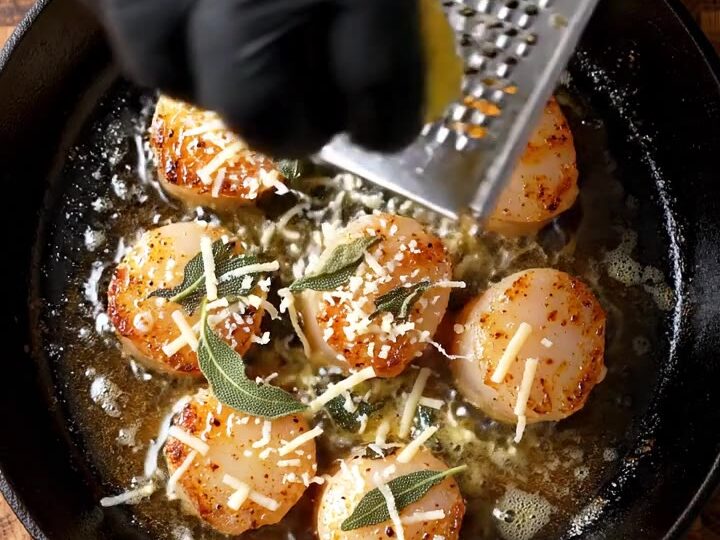
- Grate the hard aged cheese finely over a small plate or the cutting board, so a soft mound of fine shreds collects for finishing. Set it aside within easy reach of the stove.
- Place the cast iron skillet over medium heat and add the butter. Let it melt and foam, swirling the pan gently, until the foam settles and the butter turns a nutty golden brown.
- Add the diced butternut squash and the fresh sage leaves to the bubbling brown butter. Cook for a few minutes, stirring now and then, until the squash starts to soften and the sage leaves begin to crisp.
- Push the squash and sage to one side of the skillet and place the seasoned scallops in a single layer in the hot butter. Spoon the bubbling butter over the scallops and sear until the bottoms are deep golden brown with a crisp caramelized crust.
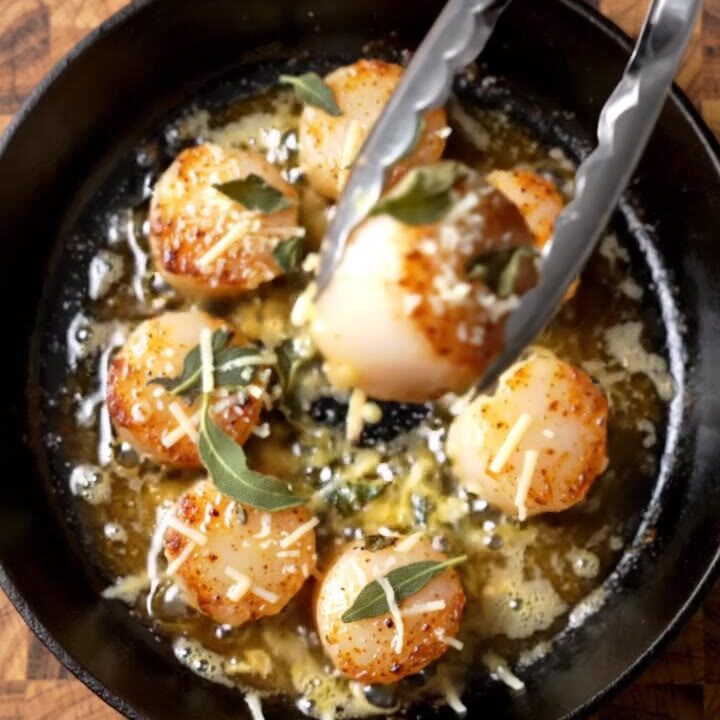
- Turn each scallop with tongs and cook the second side until golden, basting with the nutty butter as it cooks. The scallops are done when they are opaque and firm, and they must reach 145°F (63°C) in the thickest part.
- Sprinkle the grated aged cheese over the scallops in the hot butter. Let it melt and spread into lacy golden edges, about one minute, then slide the scallops, crispy sage and caramelized squash onto plates and spoon the brown butter over the top.
Estimated nutrition per serving
- Calories
- 420
- Protein
- 26 g
- Carbohydrates
- 14 g
- Fat
- 30 g
- Fiber
- 2 g
- Sugar
- 4 g
- Sodium
- 780 mg
Next recipe
Crispy Eggplant Parmesan with Molten Mozzarella in One Skillet
See the recipe → →This recipe is based on a short cooking video and is published under the pen name Clara Weller. It was checked before publication, but errors can slip through. Nutrition, when shown, is an estimate. Read more in our editorial policy and on our food safety page.
More recipes to try
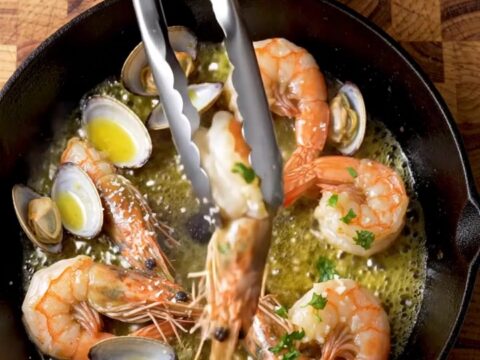
Garlic Butter Clam and Prawn Skillet in One Pan
Total time: 27 min
Truffle Four Cheese Mac and Cauliflower Skillet with Crispy Panko
Total time: 1 h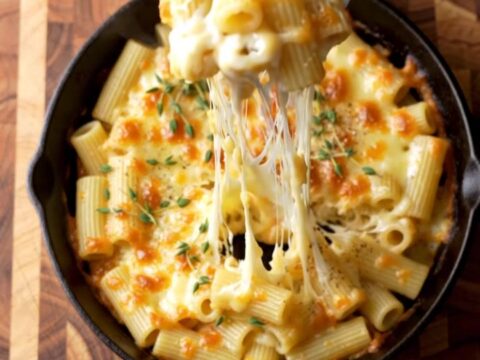
French Onion Rigatoni Skillet with Gruyere and Parmesan
Total time: 1 h 20 min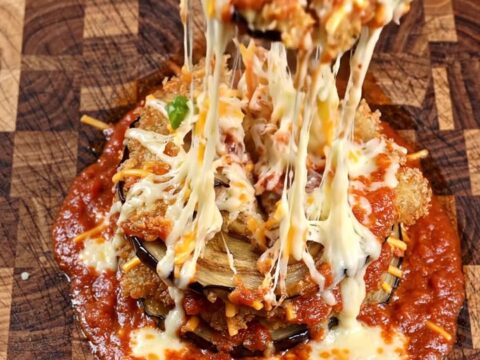
Crispy Eggplant Parmesan Skillet with Molten Mozzarella and Burrata
Total time: 1 h 30 min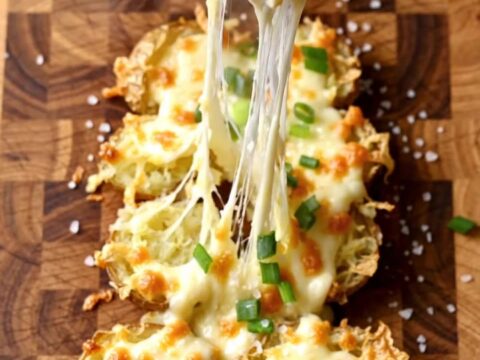
Crispy Smashed Potatoes with Melted Raclette Cheese
Total time: 55 min