Dinner · Part 2 of 3: Instructions
Brown Butter Seared Sea Scallops with Sage and Squash in One Skillet Step-by-step instructions
- Prep
- Cook
- Total
- Serves
- 2
Before you start
Gather everything before you turn on the stove, because brown butter moves fast and the scallops need your full attention in the pan. Pat the scallops dry on both sides with paper towels, then remove the small side muscle if it is still attached. Season them generously with flaky sea salt just before cooking.
Dice the butternut squash into small, even cubes so it softens and caramelizes at the same pace. Pick the sage leaves off the stems and dry them well. Grate the hard aged cheese finely onto a small plate. Set out the tongs, a plate for resting and the spoon for basting, and keep the scallops in the refrigerator until the butter is foaming.
Ingredients at a glance (6)
- 12 large dry sea scallops, side muscle removed
- flaky sea salt, to taste
- 1 cup peeled and diced butternut squash, small cubes
- 4 tbsp unsalted butter
- 8 fresh sage leaves, plus a few sprigs
- 1/4 cup finely grated hard aged cheese, such as Parmesan
Instructions
Build the brown butter base
- Season the scallopsPat the scallops dry with paper towels. Season both sides generously with flaky sea salt, pressing it in lightly with a gloved or clean hand. Keep the scallops in the refrigerator until the pan is ready, and take them out no more than 30 minutes before cooking.Look for The scallop surfaces look matte and feel dry to the touch before cooking.Tip Dry scallops brown far better than wet ones, so pat them well.
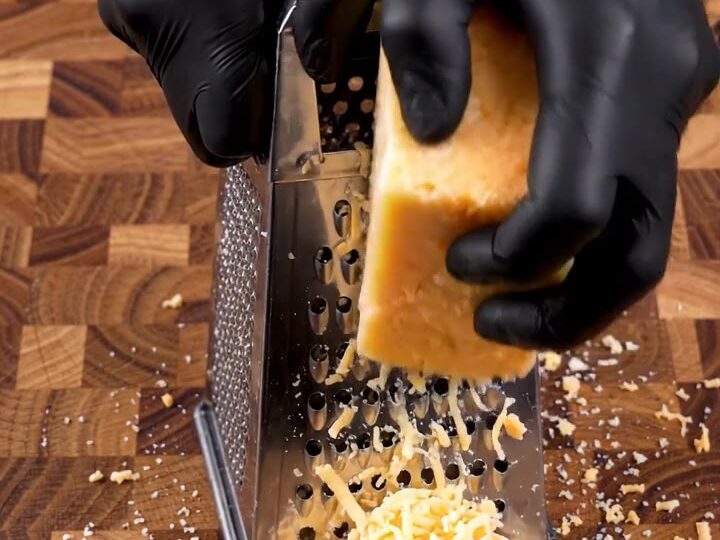
- Grate the cheeseGrate the hard aged cheese finely over a small plate or the cutting board, so a soft mound of fine shreds collects for finishing. Set it aside within easy reach of the stove.Look for A fine, fluffy mound of cheese shreds collects on the plate.Tip Fine shreds melt faster and form thinner, crisper lace edges.
The butter has melted, foamed and then settled, leaving a golden brown liquid that smells toasted and nutty. The squash and sage have been added to the fat and are starting to soften and crisp at the edges. Before you go on, check that the butter is not dark brown or smoky, because burnt butter has a bitter taste that the scallops cannot hide.
If the butter darkens too fast, lower the heat slightly. The squash should be turning golden in places, not wet or pale, and the sage leaves should look stiffer and slightly darker. These signs mean the base is ready to receive the scallops in a single layer.
Sear the scallops until golden
- Melt the butter until it foamsPlace the cast iron skillet over medium heat and add the butter. Let it melt and foam, swirling the pan gently, until the foam settles and the butter turns a nutty golden brown.Look for The butter foams, then the foam subsides and the milk solids turn golden brown.Tip Watch closely at the end, because brown butter can go from nutty to burnt in seconds.
- Add the squash and sageAdd the diced butternut squash and the fresh sage leaves to the bubbling brown butter. Cook for a few minutes, stirring now and then, until the squash starts to soften and the sage leaves begin to crisp.Look for The squash edges turn golden and the sage leaves stiffen and darken slightly.Tip Spread the squash in an even layer so it caramelizes instead of steaming.
- Sear the scallops in one layerPush the squash and sage to one side of the skillet and place the seasoned scallops in a single layer in the hot butter. Spoon the bubbling butter over the scallops and sear until the bottoms are deep golden brown with a crisp caramelized crust.Look for The bottoms of the scallops turn deep golden brown and release easily from the pan.Tip Leave space between the scallops, or they will steam instead of searing.
- Flip and baste the scallopsTurn each scallop with tongs and cook the second side until golden, basting with the nutty butter as it cooks. The scallops are done when they are opaque and firm, and they must reach 145°F (63°C) in the thickest part.Look for The second side is golden and the scallops feel firm with a gentle spring.Safe temperature 145°F (63°C) internal temperature (shellfish)Tip Use a instant-read thermometer in the thickest scallop to confirm the temperature.
The scallops have been placed in one layer in the bubbling butter and their bottoms have turned deep golden brown with a crisp caramelized crust. They should release cleanly from the pan when you nudge them with tongs. Before you flip them, check that the sides facing down are evenly coloured and not pale or grey, which would mean the pan was too crowded or too cool. Spooning the hot butter over the tops keeps the scallops moist. If the scallops stick, give them another minute, because a properly seared scallop lifts away easily once the crust has formed.
Flip, baste and finish with cheese
- Finish with the grated cheeseSprinkle the grated aged cheese over the scallops in the hot butter. Let it melt and spread into lacy golden edges, about one minute, then slide the scallops, crispy sage and caramelized squash onto plates and spoon the brown butter over the top.Look for The cheese melts and turns lacy and golden at the edges, and the butter looks glossy.Tip Serve right away, while the cheese edges are still crisp and lacy.
The scallops show golden seared sides on both faces, feel firm with a slight spring and look opaque through the centre. The grated cheese has been sprinkled over them in the hot butter, melting into lacy golden edges and tasting savoury against the nutty fat. Before you plate, check the thickest scallop with an instant-read thermometer and confirm it has reached 145°F (63°C). The sage should be crisp and the squash soft and caramelized. Serve immediately, while the cheese edges remain crisp and lacy and the butter still glistens over the scallops and squash.
Common mistakes
The most common mistake is crowding the pan. When scallops touch each other, they release moisture that steams them instead of searing, and the golden crust never forms. Use a large enough skillet and leave space between the scallops. Another frequent error is wet scallops; if they are not patted dry, they will not brown well.
Do not burn the butter either: once the milk solids turn dark brown and smell acrid, start again with fresh butter. Finally, avoid moving the scallops constantly. Let each side rest against the hot pan until the crust forms, then flip them once with tongs. Finish the cheese quickly, as it can scorch if it sits too long over high heat.
How to tell it’s done
Scallops are done when they are opaque all the way through and feel firm, with only a slight spring when pressed. Their outer surface should be deep golden brown and crisp. To be certain, insert an instant-read thermometer into the thickest scallop and check that it reads at least 145°F (63°C).
Scallops that have overcooked turn rubbery and dry and shrink noticeably, so pull them from the pan as soon as they reach the target. The squash should be tender and caramelized at the edges, and the sage leaves should be brittle and crisp. The cheese is ready when it has melted into golden lace with browned, crisp edges.
- Shellfish: 145°F (63°C) in the thickest part
Up next · Part 3 of 3
4 variations · storage & make-ahead · 5 answers · printable card
Tips, FAQ & printable recipe (Part 3)← Back to the ingredients (Part 1)