Desserts · Part 3 of 3: Tips & recipe card
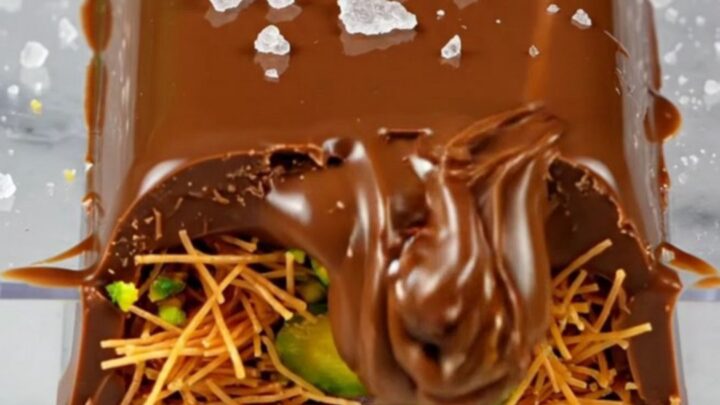
Dubai Pistachio Chocolate Bar With Crispy Kataifi Tips, FAQ & printable recipe
- Prep
- Cook
- Total
- Serves
- 8
Tips for success
For the best texture, use a chocolate mold with individual rectangular cavities or a single large mold. If you don't have a mold, you can pour the chocolate onto a lined baking sheet and shape it into a rectangle, then fill and top with more chocolate.
The thickness of the bar is up to you, but a thicker bar showcases the filling better. When breaking the bar, use a sharp knife and a quick, firm motion to get clean edges.
To store the bar, keep it in an airtight container at a cool room temperature for up to a week. Avoid refrigerating after it is set, as condensation can dull the shine. If the bar softens in warm weather, refrigerate it briefly before serving.
The filling can be made a day in advance and kept covered in the fridge; bring it to room temperature before using. For a more intense pistachio flavor, add a drop of pistachio extract to the filling.
Variations
- Dark Chocolate Version: Swap the milk chocolate for dark chocolate (70% cacao) for a less sweet, more intense flavor. Temper it to 88°F (31°C) and follow the same steps. The bitterness of dark chocolate pairs beautifully with the sweet pistachio filling.
- Add Crushed Pistachios: Fold 1/4 cup of chopped roasted pistachios into the filling along with the kataifi for an extra layer of crunch. This adds more nutty texture and visual appeal. Adjust the amount of pistachio cream slightly to keep the filling cohesive.
- Spiced Version: Add a pinch of ground cardamom or cinnamon to the pistachio cream before mixing. These warm spices complement the pistachio and chocolate beautifully, giving the bar a subtle Middle Eastern twist. Start with 1/4 teaspoon and adjust to taste.
- White Chocolate Shell: Use white chocolate instead of milk chocolate for a sweeter, more delicate bar. Temper white chocolate to 86°F (30°C). The white shell provides a striking contrast to the green filling, making it even more visually appealing.
Storage and make-ahead
- Fridge
- Keep the finished bar in the fridge if your kitchen is warm, but let it stand at room temperature for 5 minutes before serving to restore the snap.
- Freezer
- Freeze the wrapped bar for up to 2 months. Thaw in the refrigerator overnight, then bring to room temperature.
- Reheat
- No reheating needed. If the chocolate has softened, refrigerate to firm up.
Store the finished chocolate bar in an airtight container at a cool room temperature for up to 1 week. Avoid exposing it to heat or direct sunlight, as the chocolate may soften or bloom. If the room is warm, refrigerate the bar, but let it come to room temperature before serving to prevent condensation. The bar can also be wrapped tightly in plastic wrap and foil for longer storage.
The filling can be prepared up to 2 days in advance and stored in the refrigerator in an airtight container. Let it come to room temperature before assembling the bar.
The chocolate can be tempered ahead and kept at working temperature for about 30 minutes; if it hardens, reheat gently. The assembled bar should be chilled for at least 20 minutes, but it can be made a day ahead and kept refrigerated until ready to serve.
Serving ideas
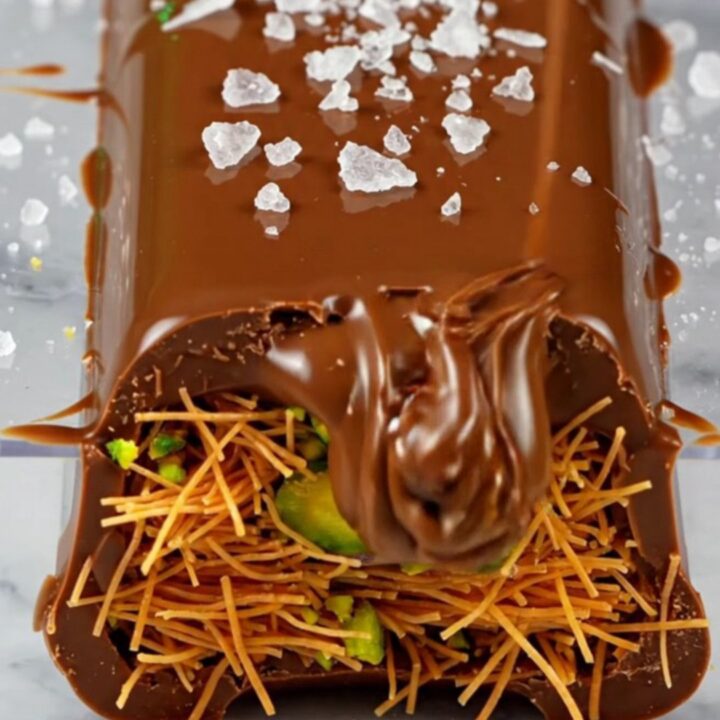
Serve the chocolate bar at room temperature for the best texture. Cut it into pieces or break it by hand, and arrange on a platter. The contrast of the crunchy kataifi and creamy pistachio is best appreciated when the chocolate is not too cold.
For a pretty presentation, dust with a little powdered sugar or add a few extra pistachios on top, though the video keeps it simple with just sea salt.
This bar is a showstopper for dessert tables, holiday gatherings, or as a gift. Pair it with strong coffee or tea to balance the sweetness. Each piece is rich, so a little goes a long way. If serving to a crowd, cut the bar into smaller squares to stretch it further. The bar can also be used as a topping for ice cream or broken into chunks for a sundae.
Frequently asked questions
What is kataifi dough and where can it be found?
Can this recipe be made without a chocolate mold?
Why does your chocolate not have a shiny finish?
Can the filling be made without tahini?
How long does the bar last and how should it be stored?
Dubai Pistachio Chocolate Bar With Crispy Kataifi
Ingredients
- 2 cups shredded kataifi dough
- 2 tbsp unsalted butter, melted
- 1 cup pistachio cream
- 2 tbsp tahini
- 12 oz tempered Belgian milk chocolate
- 1/2 tsp Maldon sea salt flakes, for topping
Instructions
- Heat a small skillet over medium heat. Add the shredded kataifi dough and the melted butter. Cook, stirring constantly with a spatula, for about 3 to 4 minutes until the strands are golden brown and crisp. Remove from heat and let cool slightly.
- In a medium bowl, combine the pistachio cream and tahini. Fold in the toasted kataifi strands until evenly coated. The mixture should be thick, glossy, and slightly sticky.
- Melt the chocolate in a heatproof bowl set over a pan of simmering water, stirring frequently, until it reaches 115°F (46°C). Remove from heat and cool to 88°F (31°C) for milk chocolate, stirring occasionally. Keep at that temperature while working.
- Pour a thin layer of tempered chocolate into the mold, coating the bottom and sides completely. Tap the mold gently to release air bubbles. Spoon the pistachio-kataifi filling over the chocolate and press it down evenly. Pour the remaining chocolate over the filling to seal, spreading it to the edges.
- Tap the mold on the counter to settle the layers, then place it in the refrigerator for 20 minutes until the chocolate is fully set and firm to the touch.
- Remove the bar from the mold by flipping it onto a clean surface. Sprinkle the top with Maldon sea salt flakes. Break into pieces or serve whole.
Estimated nutrition per serving
- Calories
- 320
- Protein
- 5 g
- Carbohydrates
- 28 g
- Fat
- 22 g
Next recipe
Southern Chocolate Gravy Biscuit Bake
See the recipe → →This recipe is based on a short cooking video and is published under the pen name Clara Weller. It was checked before publication, but errors can slip through. Nutrition, when shown, is an estimate. Read more in our editorial policy and on our food safety page.
More recipes to try

Bakery-Style Kinder Bueno Stuffed Cookies
Total time: 31 min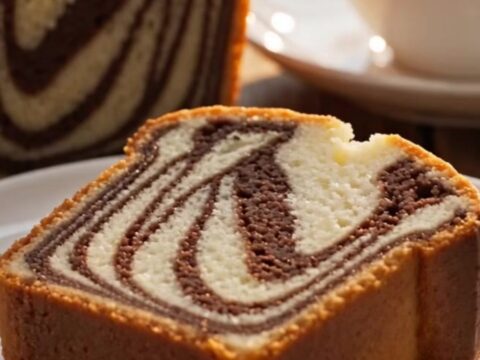
Classic Butter Marble Loaf Cake with Velvety Zebra Swirl
Total time: 1 h 20 min
Moist Whole-Lemon Blender Loaf Cake
Total time: 1 h 10 min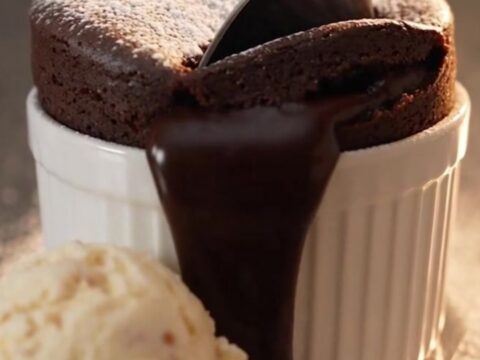
Molten Chocolate Lava Mug Cake
Total time: 3 min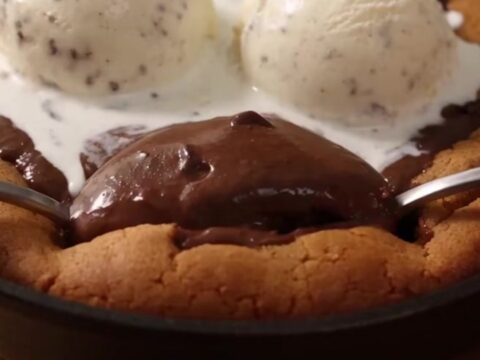
Cast-Iron Skillet Pizookie with Vanilla Ice Cream
Total time: 33 min