Dinner · Part 3 of 3: Tips & recipe card
Urfa Kebab Wrap with Sumac Onions and Charred Tomato Relish Tips, FAQ & printable recipe
- Prep
- Cook
- Total
- Serves
- 4
Tips for success
For the most authentic flavor, cook the kebabs over glowing charcoal embers rather than a gas grill. The smoky aroma from the coals infuses the meat with a depth that can't be replicated. If you don't have a grill, a cast-iron grill pan on high heat works well; just be sure to ventilate your kitchen, as the smoke can be intense.
When shaping the kebabs, wet your fingertips with cold water to prevent the meat from sticking. The iconic rippled indentations aren't just for looks—they increase the surface area, allowing more char and flavor to develop.
Don't skip resting the kebabs after grilling; this short rest lets the juices settle, ensuring each bite is moist and tender.
Variations
- Chicken Urfa Kebab: Substitute ground chicken for the lamb. Use ground chicken thigh for extra moisture. Cook to 165°F (74°C). The flavor will be lighter but still delicious with the same spices.
- Spicy Harissa Version: Add 1-2 teaspoons of harissa paste to the lamb mixture for an extra layer of heat and complexity. Adjust the amount to your tolerance.
- Vegetarian Option: Replace the lamb with a plant-based ground meat substitute. Cook according to package instructions, usually until heated through. The spices and toppings remain the same.
- Grilled Cheese Wrap: After assembling the wrap, place it on a hot grill or panini press for 1-2 minutes per side until the lavash is crispy and golden. This adds a satisfying crunch.
Storage and make-ahead
- Fridge
- Leftover kebabs and vegetables can be stored in airtight containers in the refrigerator for up to 3 days. Keep the lavash separately at room temperature.
- Freezer
- Wrap the cooked kebabs tightly in plastic wrap and then foil, and freeze for up to 2 months. Thaw overnight in the refrigerator before reheating.
- Reheat
- Reheat the kebabs in a skillet over medium heat, turning occasionally, until warmed through, about 5 minutes.
Store leftover kebabs and vegetables separately from the lavash in airtight containers. The kebabs can be refrigerated for up to 3 days. The lavash should be kept at room temperature in a sealed bag or wrapped in foil.
To reheat, warm the kebabs in a skillet over medium heat until heated through, and warm the lavash in a dry skillet or microwave for a few seconds.
You can prepare the lamb mixture and shape it onto skewers up to 24 hours in advance. Keep it covered in the refrigerator. The sumac onions can also be made ahead and stored in the refrigerator for up to 2 days.
Char the tomatoes and peppers up to a day ahead and keep them refrigerated; bring them to room temperature before assembling the wraps.
Serving ideas
Serve the Urfa kebab wraps immediately after assembling, while the lavash is still warm and the kebab is juicy. Cut each wrap in half on a diagonal to showcase the colorful filling.
For a complete meal, serve with a simple salad of cucumbers, tomatoes, and parsley dressed with lemon and olive oil, or with a side of creamy yogurt sauce (not included in this recipe).
These wraps are perfect for casual dinners, picnics, or game-day spreads. The combination of smoky lamb, tangy sumac onions, and charred tomatoes is satisfying on its own, but you can also offer extra sumac and chili flakes for those who want more punch. The wraps are best eaten with your hands, so provide plenty of napkins.
Frequently asked questions
Can the kebabs be cooked in the oven?
What can be used instead of lavash?
Is Urfa isot very spicy?
Can the wraps be made ahead and frozen?
What is the best way to char the tomatoes and peppers?
Urfa Kebab Wrap with Sumac Onions and Charred Tomato Relish
Ingredients
- 1 lb ground lamb (20% fat)
- 1 tbsp Turkish sweet pepper paste (tatlı biber salçası)
- 2 tsp Urfa isot chili flakes
- 1 tsp ground cumin
- 1 tsp salt
- 2 thin lavash flatbreads
- 1 red onion, thinly sliced
- 1 tbsp sumac
- 2 charred tomatoes
- 2 charred long green peppers
Instructions
- In a large chilled bowl, combine the ground lamb, Turkish sweet pepper paste, Urfa isot chili flakes, ground cumin, and salt. Knead with your hands until the mixture is tacky and well combined, about 2 minutes. Wet your fingertips with cold water and press the mixture onto flat metal skewers, shaping it into long, wide kebabs with iconic rippled indentations.
- Preheat a grill or grill pan over high heat. Place the tomatoes and long green peppers directly over the heat. Char them, turning occasionally, until the skins are blistered and blackened in spots, about 5-7 minutes. Remove from the grill and let cool slightly. When cool enough to handle, roughly chop the tomatoes and slice the peppers into strips. Set aside.
- In a small bowl, toss the thinly sliced red onion with the sumac. Use your fingers to massage the sumac into the onion slices so they are evenly coated. Let them sit while you cook the kebabs; the acidity of the sumac will mellow the onion's sharpness.
- Place the skewered kebabs on the grill over glowing embers or medium-high heat. Cook for about 6 minutes, turning regularly, until the lamb is browned on all sides and cooked through. The internal temperature should reach 160°F (71°C) for ground meat. Remove from the grill and let rest for 2 minutes.
- While the kebabs rest, warm the lavash flatbreads on the grill or in a dry skillet for about 30 seconds per side, until pliable and lightly toasted. Stack them on a plate and cover with a clean kitchen towel to keep warm.
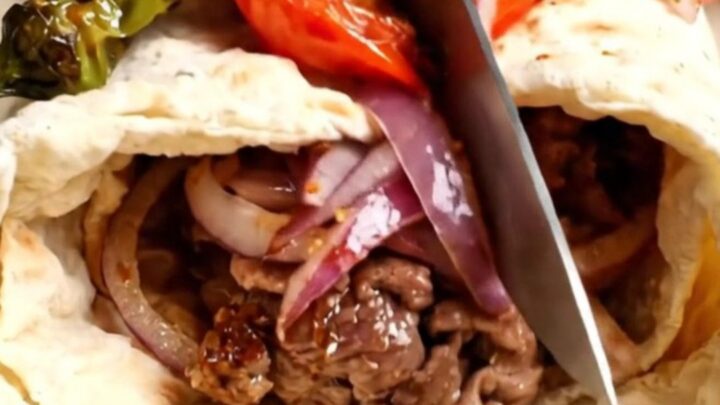
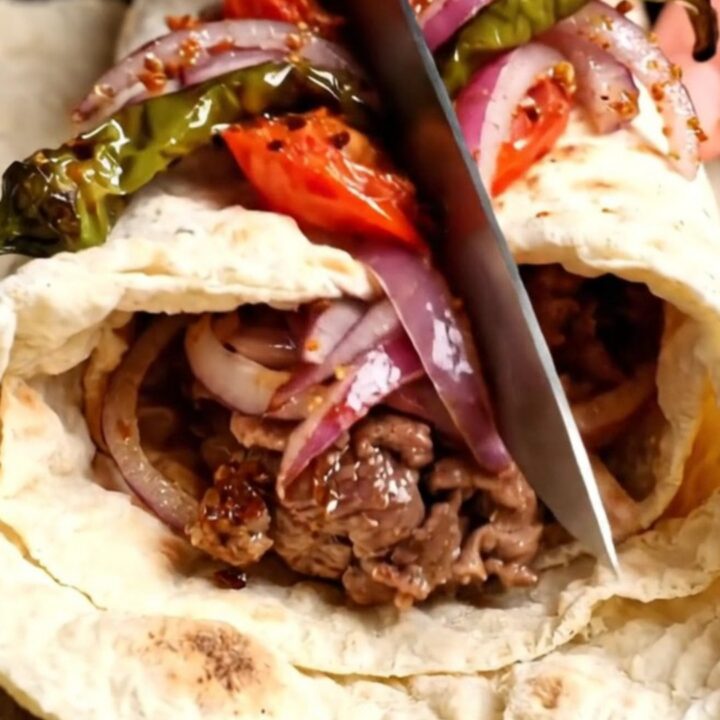
- Slide the cooked kebab off the skewer directly onto the center of a warm lavash. Top with the sumac onions, charred tomato pieces, and grilled pepper strips. Roll the lavash tightly around the filling, tucking in the ends as you go. Slice the wrap in half on an angle to show the juicy pink center.
Estimated nutrition per serving
- Calories
- 620
- Protein
- 28 g
- Carbohydrates
- 42 g
- Fat
- 36 g
Next recipe
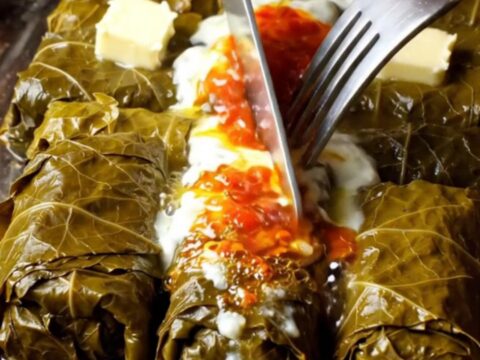
Turkish Stuffed Grape Leaves with Garlic Yogurt and Red Pepper Butter
See the recipe → →This recipe is based on a short cooking video and is published under the pen name Clara Weller. It was checked before publication, but errors can slip through. Nutrition, when shown, is an estimate. Read more in our editorial policy and on our food safety page.
More recipes to try
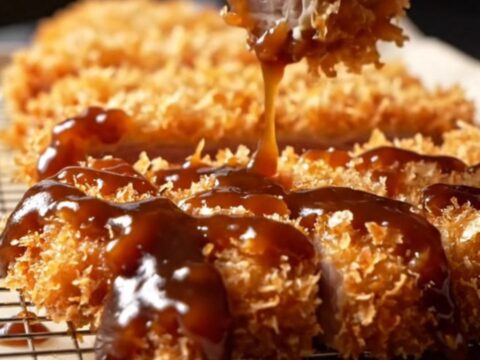
Crispy Japanese Tonkatsu with Tangy Katsu Sauce
Total time: 33 min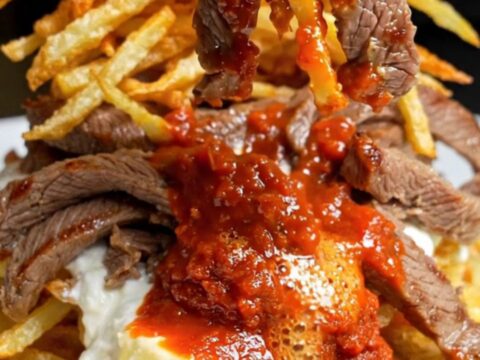
Crispy Turkish Çökertme Kebabı with Garlic Yogurt
Total time: 40 min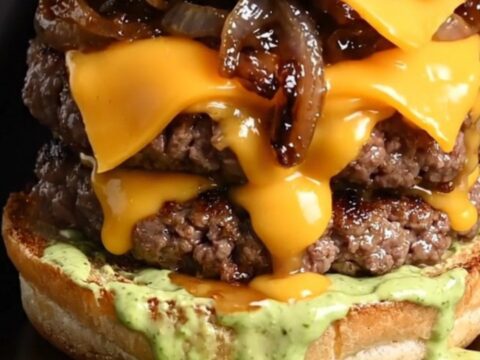
Japanese Wagyu Smash Burger with Wasabi Aioli
Total time: 25 min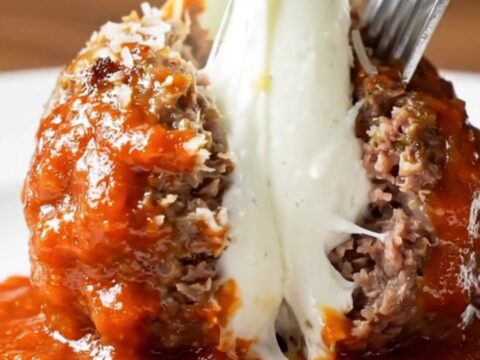
Giant Stuffed Buffalo Mozzarella Meatballs with Molten Cheese Pull
Total time: 45 min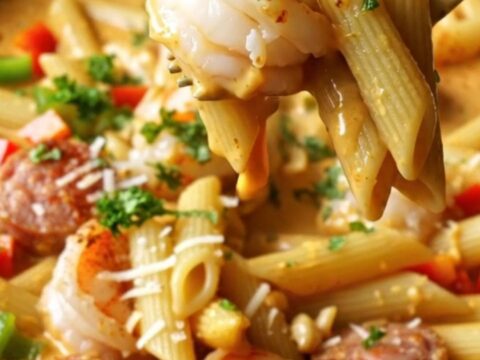
Creamy Cajun Sausage & Shrimp Penne Skillet
Total time: 25 min