Dinner · Part 3 of 3: Tips & recipe card
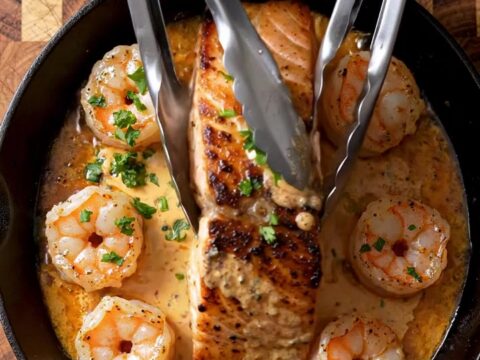
Tuscan Salmon and Scallop Vodka Cream Skillet in One Pan Tips, FAQ & printable recipe
- Prep
- Cook
- Total
- Serves
- 4
Tips for success
Keep the heat at medium once the cream goes in. A gentle simmer thickens the sauce evenly, while a hard boil can cause it to separate or scorch on the bottom of the skillet. Stir the sauce occasionally and spoon it over the seafood as it simmers so the salmon stays moist and the flavors blend.
Serve the skillet with a loaf of crusty bread, which is ideal for soaking up the pinkish-orange sauce. Pasta such as linguine or fettuccine also works well, tossed with a spoonful of the sauce. A simple green salad with lemon dressing balances the richness of the cream and cheese.
Variations
- Lighter Broth Version: Replace the vodka with an equal amount of chicken broth for a version without alcohol. Simmer it for one minute to reduce before adding tomato sauce and heavy cream, so the flavor stays savory and balanced.
- Shrimp Instead of Scallops: Use large shrimp, peeled and deveined, in place of the scallops. Sear them just until pink on both sides, then add them to the sauce so they finish cooking gently without becoming rubbery.
- Pasta Skillet: Stir cooked linguine or fettuccine directly into the sauce after the salmon and scallops are plated, adding a splash of pasta water. Toss until the noodles are coated, then top with the seafood, basil and extra grated cheese.
- Extra Garlic: Add two more minced cloves of garlic when you melt the butter and oil. Cook gently for about a minute so the garlic turns fragrant and sweet without browning, which gives the sauce a stronger flavor.
Storage and make-ahead
- Fridge
- Store leftovers in an airtight container in the refrigerator for up to 2 days, after cooling for no more than 2 hours.
- Reheat
- Reheat gently in a skillet over low heat with a splash of water or cream, stirring until warm, and avoid boiling so the seafood stays tender.
Leftovers should be cooled for no more than 2 hours at room temperature before going into the refrigerator. Transfer the salmon, scallops and sauce to a shallow airtight container so they cool quickly.
Store them in the refrigerator and eat within 2 days, since seafood is best when fresh. Keep the basil separate if you plan to store leftovers, because it darkens in the sauce. Reheat only the portion you plan to eat, and do not reheat the same leftovers more than once.
You can grate the cheese, mince the garlic and measure the vodka, tomato sauce and heavy cream up to a day in advance and keep them refrigerated in separate containers. Pat the salmon and scallops dry and season the salmon just before cooking, since seasoned raw fish should not sit for long.
Keep the raw seafood in the refrigerator until you are ready to sear. The sauce is best made fresh, but you can prepare the tomato cream base ahead and simmer it again while the seafood cooks. Pick the basil leaves shortly before serving so they stay bright.
Serving ideas
Serve the skillet at the table while the sauce is still bubbling and the cheese is melted. Spoon the sauce and seafood onto warm plates with plenty of crusty bread for dipping.
The pinkish-orange sauce is rich, so a bowl of pasta, lightly sauced with a little of the cream, makes a satisfying base for the salmon and scallops.
Finish each plate with a few fresh basil leaves and an extra pinch of grated cheese just before serving.
A crisp green salad with lemon juice and olive oil cuts through the cream, and a dry white wine or sparkling water pairs well with the seafood. Serve immediately, while the scallops are still tender and the sauce is glossy.
Frequently asked questions
Can the salmon and scallops be cooked in a different pan?
Why does the sauce look grainy or separate?
How do you know when the scallops are cooked?
Can this skillet be made ahead for a dinner party?
Is the vodka flavor noticeable in the finished sauce?
Tuscan Salmon and Scallop Vodka Cream Skillet in One Pan
Ingredients
- 1 lb skinless salmon fillet, cut into portions
- 8 large sea scallops, side muscle removed
- 2 tbsp unsalted butter
- 1 tbsp extra-virgin olive oil
- 4 cloves garlic, minced
- 1 tsp Italian seasoning
- kosher salt, to taste
- freshly ground black pepper, to taste
- 1/4 cup vodka
- 1 cup tomato sauce
- 1 cup heavy cream
- 1 cup finely grated hard cheese, such as Parmesan, divided
- 1/4 cup fresh basil leaves, for garnish
Instructions
- Pat the salmon portions and scallops dry with paper towels. Season the salmon on all sides with Italian seasoning, kosher salt and black pepper. Keep the seafood refrigerated until the pan is hot, and set out the minced garlic, grated cheese and basil nearby.
- Set the cast iron skillet over medium-high heat. Add the butter and olive oil and let them melt together until foamy. Stir in the minced garlic and cook for about 30 seconds, until fragrant but not browned.
- Lay the salmon portions and scallops in the skillet, spaced apart. Sear the scallops for 2 to 3 minutes per side until deep golden, then turn the salmon and sear the other sides. Work in batches if the pan looks crowded.
- Pour the vodka into the hot skillet, scraping up the browned bits from the bottom with a wooden spoon. Let the vodka bubble for about 1 minute until it reduces slightly and the sharp alcohol smell fades.
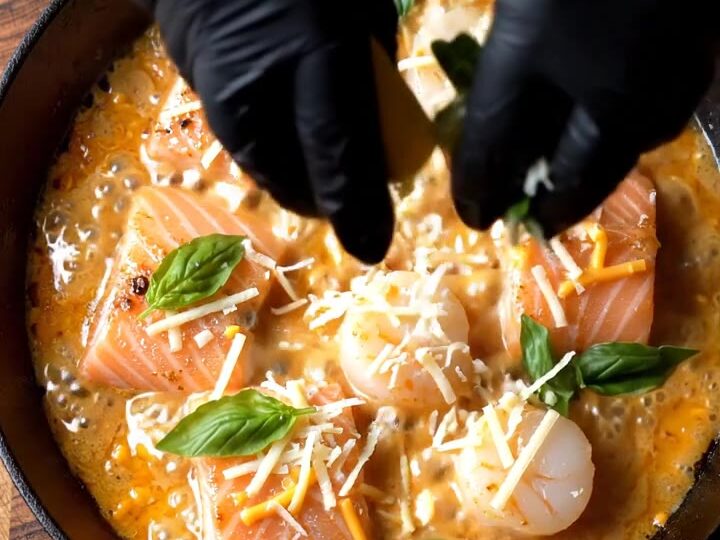
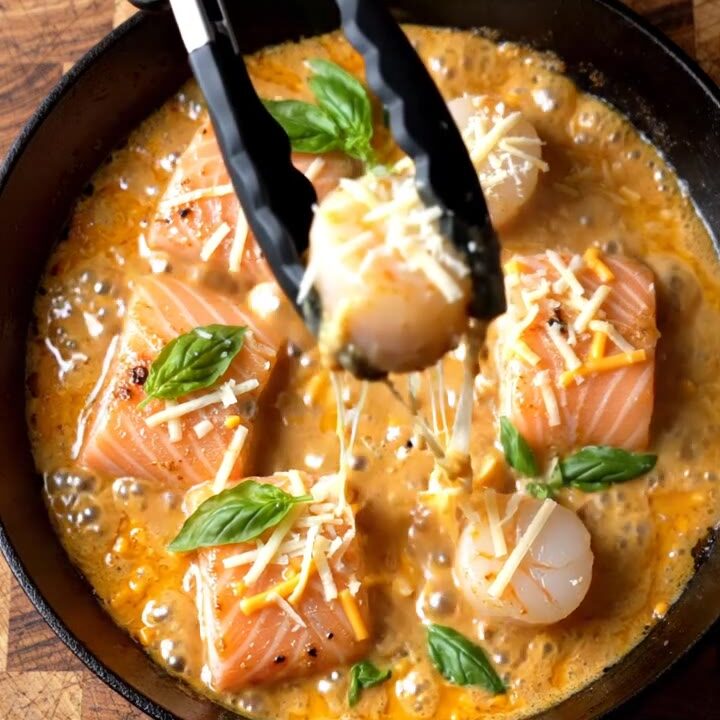
- Reduce the heat to medium. Stir in the tomato sauce and heavy cream until the sauce turns a pinkish-orange color and looks smooth. Scatter about three-quarters of the grated cheese over the salmon and scallops so it begins to melt.
- Simmer the sauce gently, spooning it over the seafood, for 5 to 8 minutes until it thickens and coats the back of a spoon. Cook the salmon until it is opaque and flakes easily, and the scallops are opaque and tender. Check that the salmon reaches 145°F (63°C).
- Lift the salmon out with tongs and arrange the portions and scallops on the serving plates or back in the skillet. Tuck in fresh basil leaves, sprinkle the remaining grated cheese over the top, and spoon the sauce over everything.
Estimated nutrition per serving
- Calories
- 640
- Protein
- 40 g
- Carbohydrates
- 14 g
- Fat
- 46 g
- Fiber
- 1 g
- Sugar
- 5 g
- Sodium
- 820 mg
Next recipe
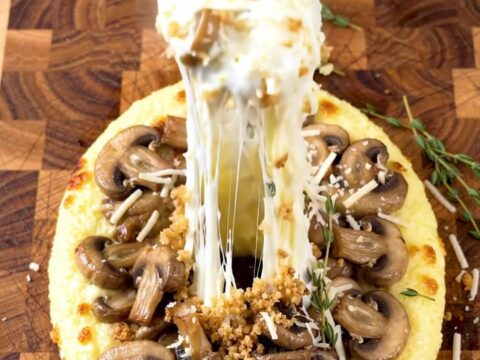
Garlic Butter Mushroom Parmesan Polenta Skillet for Crispy Weeknight Dinner
See the recipe → →This recipe is based on a short cooking video and is published under the pen name Clara Weller. It was checked before publication, but errors can slip through. Nutrition, when shown, is an estimate. Read more in our editorial policy and on our food safety page.
More recipes to try
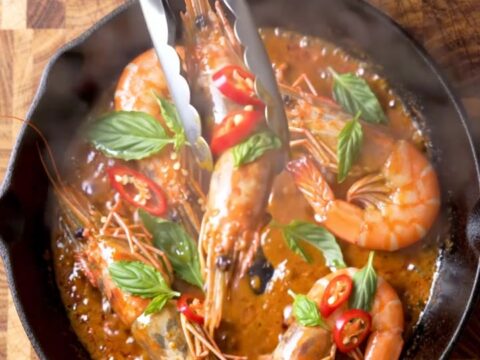
Thai Red Curry Prawns in One Skillet in Under 30 Minutes
Total time: 25 min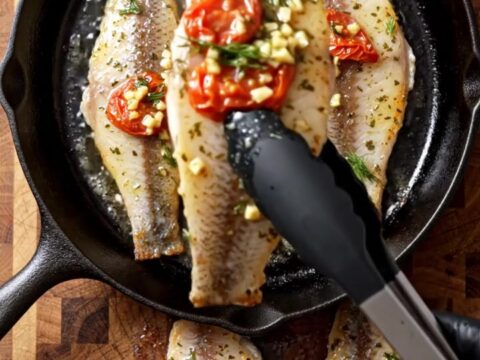
Pan-Seared Arctic Char with Garlic Herb Butter and Crispy Skin
Total time: 27 min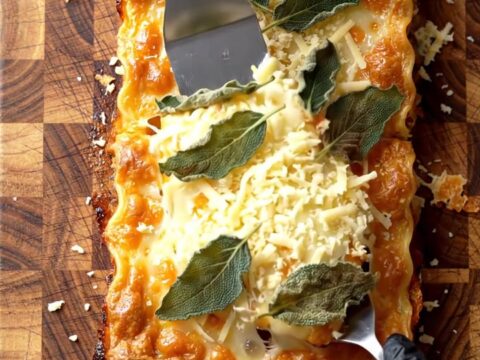
Butternut Squash Sage Lasagna with Brown Butter Skillet
Total time: 1 h 20 min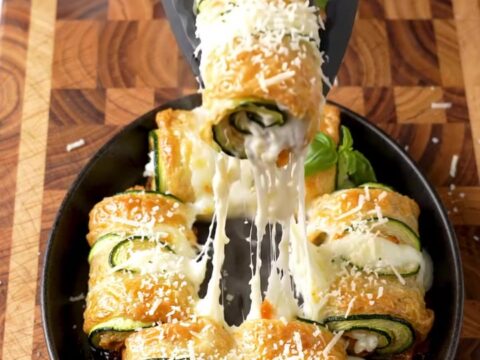
Zucchini Lasagna Rolls Baked in a Skillet with Ricotta and Mozzarella
Total time: 55 min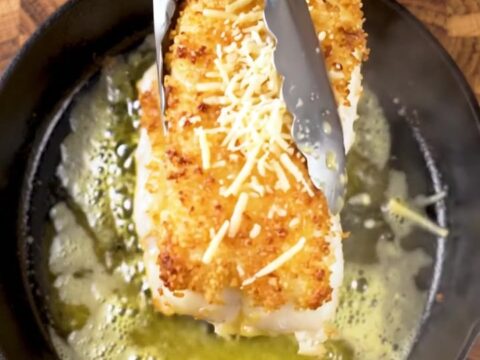
Parmesan Crusted Cod with Lemon Garlic Butter in One Skillet
Total time: 27 min