Dinner · Part 2 of 3: Instructions
Tuscan Salmon and Scallop Vodka Cream Skillet in One Pan Step-by-step instructions
- Prep
- Cook
- Total
- Serves
- 4
Before you start
Measure every ingredient into small prep bowls, pat proteins or vegetables dry with paper towels, and preheat your pan thoroughly before adding oil so browning starts cleanly without steaming.
Take your time with each step, and the result will be worth every minute spent in the kitchen.
Ingredients at a glance (13)
- 1 lb skinless salmon fillet, cut into portions
- 8 large sea scallops, side muscle removed
- 2 tbsp unsalted butter
- 1 tbsp extra-virgin olive oil
- 4 cloves garlic, minced
- 1 tsp Italian seasoning
- kosher salt, to taste
- freshly ground black pepper, to taste
- 1/4 cup vodka
- 1 cup tomato sauce
- 1 cup heavy cream
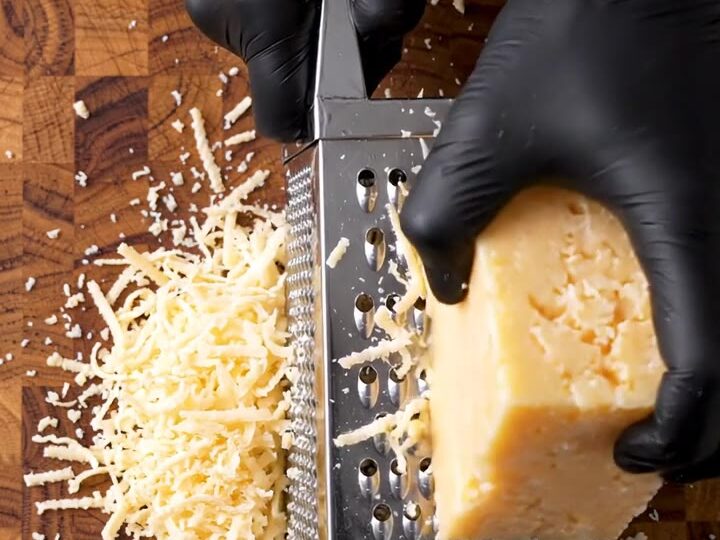
- 1 cup finely grated hard cheese, such as Parmesan, divided
- 1/4 cup fresh basil leaves, for garnish
Instructions
Prep and Aromatics
- Prepare the salmon and scallopsPat the salmon portions and scallops dry with paper towels. Season the salmon on all sides with Italian seasoning, kosher salt and black pepper. Keep the seafood refrigerated until the pan is hot, and set out the minced garlic, grated cheese and basil nearby.Look for Salmon is evenly coated and scallops are dry to the touch.Tip Dry seafood browns far better, so blot it well before seasoning.
- Melt butter and oilSet the cast iron skillet over medium-high heat. Add the butter and olive oil and let them melt together until foamy. Stir in the minced garlic and cook for about 30 seconds, until fragrant but not browned.Look for Butter foams and the garlic smells sweet and fragrant.Tip Watch the garlic closely; it turns bitter within seconds once it darkens.
Every ingredient is evenly coated, fragrant and progressing at a steady gentle sizzle without sticking to the pan surface.
Take a moment to check the color, texture and aroma before moving on to the next stage.
Main Cooking Stage
- Sear the salmon and scallopsLay the salmon portions and scallops in the skillet, spaced apart. Sear the scallops for 2 to 3 minutes per side until deep golden, then turn the salmon and sear the other sides. Work in batches if the pan looks crowded.Look for Scallops and salmon edges turn golden and release easily from the pan.Tip Leave the seafood undisturbed for a full minute so a crust forms.
- Deglaze with vodkaPour the vodka into the hot skillet, scraping up the browned bits from the bottom with a wooden spoon. Let the vodka bubble for about 1 minute until it reduces slightly and the sharp alcohol smell fades.Look for Vodka bubbles and the browned bits lift easily from the pan.Tip Stand back when adding vodka, as it may flare briefly on gas burners.
- Build the tomato cream sauceReduce the heat to medium. Stir in the tomato sauce and heavy cream until the sauce turns a pinkish-orange color and looks smooth. Scatter about three-quarters of the grated cheese over the salmon and scallops so it begins to melt.Look for Sauce is smooth, pinkish-orange and begins to coat a spoon.Tip Keep the heat moderate so the cream does not catch on the bottom.
Every ingredient is evenly coated, fragrant and progressing at a steady gentle sizzle without sticking to the pan surface.
Take a moment to check the color, texture and aroma before moving on to the next stage.
Final Glaze and Plating
- Simmer until the seafood is cookedSimmer the sauce gently, spooning it over the seafood, for 5 to 8 minutes until it thickens and coats the back of a spoon. Cook the salmon until it is opaque and flakes easily, and the scallops are opaque and tender. Check that the salmon reaches 145°F (63°C).Look for Salmon flakes with a fork, scallops are opaque, sauce coats the spoon.Safe temperature 145°F (63°C) internal temperature (fish)Tip A thin probe thermometer in the thickest salmon piece confirms doneness.
- Finish and serveLift the salmon out with tongs and arrange the portions and scallops on the serving plates or back in the skillet. Tuck in fresh basil leaves, sprinkle the remaining grated cheese over the top, and spoon the sauce over everything.Look for Cheese is melted and the basil is bright green on top.Tip Add the basil at the very end so it stays bright and fragrant.
Every ingredient is evenly coated, fragrant and progressing at a steady gentle sizzle without sticking to the pan surface.
Take a moment to check the color, texture and aroma before moving on to the next stage.
Common mistakes
Avoid crowding the pan or flipping too early before a crust forms, keep the burner at steady medium-high heat so aromatics never scorch, and season in balanced layers rather than only at the end.
How to tell it’s done
The dish is ready when the exterior shows even golden color, the center feels tender when pressed gently with a fork, and the sauce coats the back of a spoon glossy and fragrant.
- Fish: 145°F (63°C) in the thickest part
- Shellfish: 145°F (63°C) in the thickest part
Up next · Part 3 of 3
4 variations · storage & make-ahead · 5 answers · printable card
Tips, FAQ & printable recipe (Part 3)← Back to the ingredients (Part 1)