Dinner · Part 3 of 3: Tips & recipe card
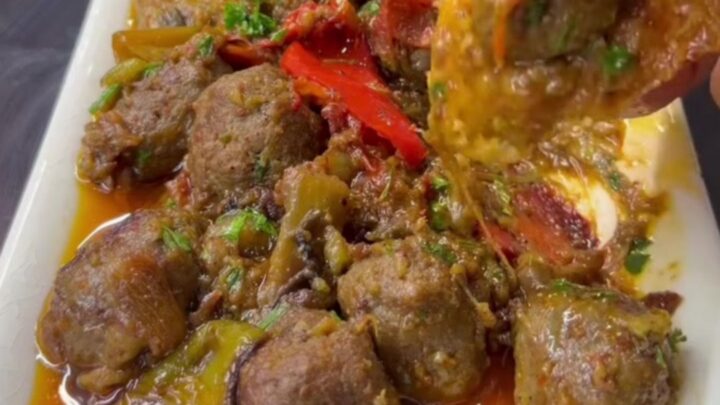
Turkish Meatball and Roasted Eggplant Casserole Tips, FAQ & printable recipe
- Prep
- Cook
- Total
- Serves
- 4
Tips for success
For the most flavorful meatballs, take the time to sear them properly. A good crust adds a deep, savory note that permeates the entire dish.
Use a heavy-bottomed skillet to ensure even browning, and don't move the meatballs too soon—let them develop a crust before turning. If the skillet gets too dry, add a little more olive oil.
To make the sauce extra rich, deglaze the skillet after searing the meatballs with a splash of water or broth, scraping up the browned bits, and then add that liquid to the baking dish.
This captures all the flavor from the pan. Also, taste the tomato sauce before baking and adjust the seasoning with salt and pepper if needed.
Variations
- Lamb and Eggplant Casserole: Swap the ground beef for ground lamb for a more traditional Turkish flavor. Lamb pairs beautifully with eggplant and cumin. You may want to reduce the salt slightly, as lamb can be more salty.
- Spicy Turkish Meatball Casserole: Add 1 teaspoon of red pepper flakes or 1 finely chopped fresh chili to the meatball mixture for a spicy kick. You can also add a pinch of cayenne pepper to the tomato sauce to increase the heat.
- Vegetarian Eggplant Casserole: Omit the meatballs and double the eggplant and peppers. Add a can of drained chickpeas for protein. Sauté the chickpeas with the vegetables and bake as directed. The dish will be ready when the vegetables are tender and the sauce is bubbling.
- Cheesy Turkish Casserole: After baking, sprinkle 1 cup of shredded mozzarella or crumbled feta cheese over the top and return to the oven for 5 minutes, until melted and golden. This adds a creamy, salty element that complements the rich sauce.
Storage and make-ahead
- Fridge
- Store leftovers in an airtight container in the refrigerator for up to 4 days.
- Freezer
- Freeze the baked casserole in a freezer-safe container for up to 3 months. Thaw overnight in the refrigerator before reheating.
- Reheat
- Reheat in a preheated 350°F (175°C) oven for 15-20 minutes, or in the microwave in 30-second bursts until hot.
Leftover casserole can be stored in an airtight container in the refrigerator for up to 4 days. Reheat gently in the oven or microwave until warmed through.
The flavors will continue to meld overnight, making the leftovers even more delicious. For best results, reheat in a covered dish with a splash of water or broth to keep the sauce moist.
The meatballs can be prepared and seared up to a day in advance. Store them in the refrigerator in an airtight container. When ready to assemble, sauté the vegetables and proceed with the recipe.
The assembled casserole can also be refrigerated for up to 8 hours before baking; just add 10 minutes to the baking time to account for the cold start.
Serving ideas
Serve the casserole hot from the oven, straight from the baking dish for a rustic presentation. Spoon generous portions onto plates, making sure each serving gets a mix of meatballs, vegetables, and sauce. Offer warm crusty bread on the side for dipping—it's essential for soaking up the rich, garlicky tomato sauce.
This dish pairs well with a simple green salad dressed with lemon and olive oil to cut through the richness. For a heartier meal, serve over rice, couscous, or orzo. The casserole is also delicious with a dollop of plain yogurt or a sprinkle of crumbled feta cheese, though these are optional additions.
Frequently asked questions
Can this casserole be made ahead of time?
How do you prevent the meatballs from becoming dry?
Can the eggplant be substituted with another vegetable?
What can be used instead of breadcrumbs?
Can this recipe be doubled?
Turkish Meatball and Roasted Eggplant Casserole
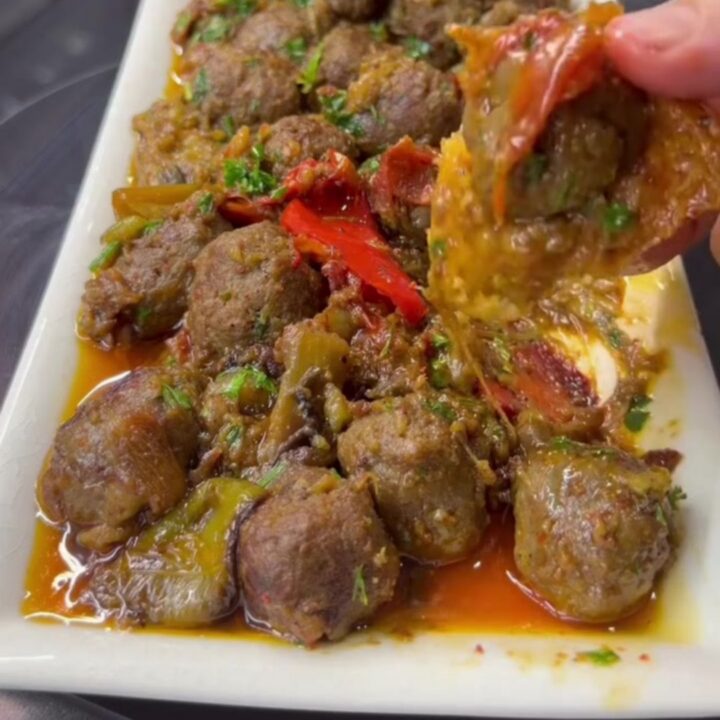
Ingredients
- 1 lb ground beef (80% lean)
- 1/2 medium onion, grated
- 1/4 cup plain breadcrumbs
- 3 cloves garlic, minced
- 1 tsp ground cumin
- 1/2 tsp black pepper
- 1 tsp salt
- 3 tbsp olive oil
- 1 large eggplant, cut into chunks
- 2 red and green bell peppers, cut into chunks
- 2 cups tomato sauce
- 1/4 cup fresh parsley, chopped
- crusty bread, for serving
Instructions
- In a large bowl, combine the ground beef, grated onion, breadcrumbs, half of the minced garlic, cumin, black pepper, and salt. Knead with your hands until the mixture is well combined and slightly sticky, about 2 minutes. Roll the mixture into small meatballs, about 1 inch in diameter. Set them aside on a plate.
- Heat 2 tablespoons of olive oil in a large skillet over medium-high heat. Add the meatballs in a single layer, being careful not to overcrowd. Sear them for 2-3 minutes per side, until nicely browned on all sides. Use a slotted spoon to transfer the meatballs to a plate. They will not be cooked through at this point.
- In the same skillet, add the remaining 1 tablespoon of olive oil. Add the eggplant chunks and cook over medium-high heat, stirring occasionally, until they begin to soften and turn golden, about 5 minutes. Add the bell pepper chunks and the remaining garlic, and cook for another 2-3 minutes, until the peppers start to blister.
- Preheat the oven to 390°F (200°C). Spread the tomato sauce evenly over the bottom of a baking dish. Arrange the sautéed eggplant and peppers over the sauce. Nestle the seared meatballs among the vegetables. Pour any accumulated juices from the meatballs over the top.
- Place the baking dish in the preheated oven and bake for 25 minutes, until the sauce is bubbling and the meatballs are cooked through. The internal temperature of the meatballs should reach 160°F (71°C). If you like a deeper caramelization, switch to broil for the last 2 minutes, watching closely.
- Sprinkle the chopped fresh parsley over the hot casserole. Serve directly from the baking dish with warm crusty bread on the side for dipping into the rich sauce.
Estimated nutrition per serving
- Calories
- 460
- Protein
- 28 g
- Carbohydrates
- 30 g
- Fat
- 26 g
Next recipe

One-Pan Roasted Tomato Tagliatelle with Mozzarella
See the recipe → →This recipe is based on a short cooking video and is published under the pen name Clara Weller. It was checked before publication, but errors can slip through. Nutrition, when shown, is an estimate. Read more in our editorial policy and on our food safety page.
More recipes to try

Crispy Chicken Shawarma Wrap with Garlic Toum
Total time: 45 min
5-Minute Creamy Garlic Chili Ramen
Total time: 5 min
Crusty No-Knead Dutch Oven Sourdough Bread
Total time: 10 h 5 min
One-Pot Stuffed Shells and Meatballs Skillet
Total time: 45 min
Crispy Chicken Alfredo Sandwich with Garlic Ciabatta
Total time: 35 min