Dinner · Part 3 of 3: Tips & recipe card
Truffle Soy Dashi Glass Noodles in One Pan Tips, FAQ & printable recipe
- Prep
- Cook
- Total
- Serves
- 4
Tips for success
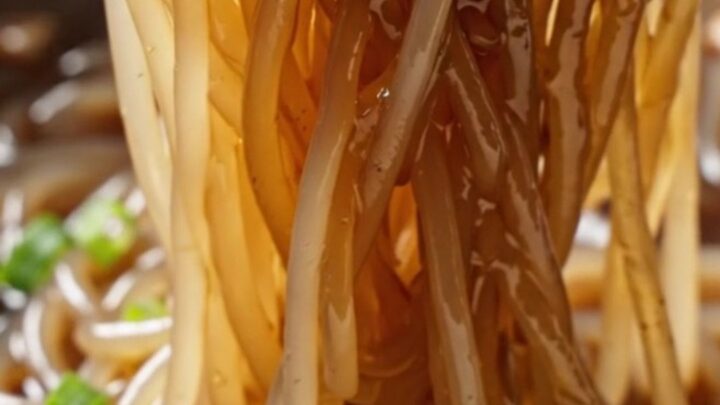
Control the bounce by timing, not by luck. Glass noodles go from perfectly chewy to soft in under a minute of carryover cooking, so pull the pan when the strands are translucent but still hold a slight firmness at the center.
If the dish must wait a few minutes before serving, undercook by thirty seconds and add a splash of warm dashi at the last moment to loosen the strands back to glossy. Twirling the noodles into nests with tongs before plating gives the dramatic lifted look and keeps portions tidy.
Build flavor in layers rather than relying on the truffle alone. A thorough sear on the mushrooms does more for the dish than extra truffle butter ever will, so give them space and heat and resist stirring for the first minute. Dark soy provides color and depth; if the finished glaze tastes flat, a few extra drops of mirin brighten it faster than more salt. When using fresh truffle, shave it directly onto the hot noodles so the steam carries the aroma upward the moment the bowl lands on the table.
Variations
- Extra Mushroom Dashi: Steep 0.5 oz dried shiitake in the 1 2/3 cups water for the broth and add the rehydrated caps, sliced, to the sear. The doubled mushroom presence makes the dish heartier and the broth darker without adding any extra steps to the night of cooking.
- Spicy Gochugaru Twist: Stir 1 to 2 tsp Korean gochugaru flakes into the truffle butter before the mushrooms go in, and finish each bowl with a few more. The gentle, fruity heat cuts the buttery richness and turns the dish toward a Korean-style noodle bowl.
- Weeknight Butter Soy: Replace the black truffle butter with 3 tbsp regular unsalted butter and 1 tsp toasted sesame oil. The dish loses the truffle perfume but keeps the glossy glaze and the chewy bounce, and the ingredients become ones most kitchens already stock.
- Starter Noodle Nests: Divide the finished noodles into six small nests, twirled tight with tongs, and top each with a single scallion baton. Serve with chopsticks as an elegant first course for a dinner party; the glaze concentrates nicely in the smaller portions.
Storage and make-ahead
- Fridge
- Airtight container, up to 3 days; toppings stored separately and added fresh.
- Freezer
- Not recommended; glass noodles turn mealy and the glaze breaks when thawed.
- Reheat
- Skillet over medium-low with 2 tbsp water or dashi, tossing until glossy, about 3 minutes.
Leftovers keep surprisingly well for a glass noodle dish. Transfer the noodles and any remaining glaze to an airtight container and let them cool for no more than 2 hours before refrigerating. The noodles continue absorbing sauce overnight, so they will taste deeper and look darker the next day, though the bounce softens slightly.
Keep the scallion greens and any truffle shavings separate and add them fresh at serving. Eat within three days for the best texture, and always reheat gently with added liquid rather than dry.
Two components can be prepared a day in advance. The shiitake dashi broth keeps for up to four days refrigerated and actually improves as it steeps, so make a double batch and use the extra for soups. The mushrooms can be sliced a day ahead and stored in a paper-towel-lined container in the refrigerator, though they should be seared just before serving.
The glaze itself, the soy and mirin reduction, is best made fresh because it can thicken past the syrup stage overnight. The noodles should always be simmered just before eating; pre-cooked glass noodles clump badly.
Serving ideas
Serve these noodles in warmed, shallow bowls so the glaze pools attractively and the steam carries the truffle aroma upward. Twirl the strands into loose nests with tongs, spoon the glazed mushrooms over and around, then finish with the pale scallion slices, the green tops, and a snowfall of shaved black truffle if using.
A small bowl of quick cucumber salad or steamed edamame on the side gives the meal a cool counterpoint, and hot green tea cleanses the palate between the rich, umami-packed bites.
For a dinner party, set out the toppings separately and let guests finish their own bowls, since the truffle shavings and extra scallions are personal-taste additions. The dish is substantial enough as a vegetarian main for four; for a smaller starter course, divide it into six shallow bowls and offer chopsticks and a spoon, since the last of the glaze is worth chasing. Pair with a crisp, high-acid white wine or a dry sake, both of which cut through the butter and echo the mirin's sweetness.
Frequently asked questions
Can the noodles be cooked in water instead of dashi?
Why do the noodles turn out mushy sometimes?
Is black truffle butter necessary?
Can this dish be made ahead for a party?
What is the difference between dark and regular soy sauce here?
Truffle Soy Dashi Glass Noodles in One Pan
Ingredients
- 10 oz shiitake and king trumpet mushrooms, sliced
- 3 tbsp black truffle butter
- 4 cloves garlic, minced
- 3 tbsp dark soy sauce
- 2 tbsp mirin
- 10 oz sweet-potato glass noodles
- 1 2/3 cups shiitake dashi broth (made ahead or store-bought)
- 3 scallions, thinly sliced, for serving
- Shaved black truffle, optional, for serving
Instructions
- Wipe the shiitake and king trumpet mushrooms with a damp paper towel and trim any tough stem ends. Slice everything about 1/4 inch thick so the pieces sear quickly and stay meaty. King trumpets cut into plump rounds, shiitakes into caps or halves, so every bite has contrast.
- Mince the garlic cloves finely so they melt into the butter without burning, and slice the scallions on a steep angle, separating the pale and green parts. Keep them in separate little piles near the stove, since the garlic goes in mid-cook and the greens only appear at the very end.
- Measure the dark soy sauce, mirin and shiitake dashi broth and set them within arm's reach. This dish moves fast once the butter is hot, and the noodles go straight into the simmering broth, so everything needs to be ready to pour. Snap the noodle bundle in half if it will not fit the pan.
- Set a large deep skillet over medium-high heat and add the black truffle butter. Once it foams and smells nutty, add the sliced mushrooms in a fairly even layer. Sear undisturbed for a minute, then toss and keep sautéing until the edges brown and the mushrooms shrink and glisten.
- Stir the minced garlic into the mushrooms and cook for about 30 seconds, tossing constantly so the tiny bits toast evenly in the butter. The pan should smell intensely savory at this point, truffle and garlic layered over roasted mushroom, with no hint of raw sharpness left in the air.
- Pour in the dark soy sauce and mirin, scraping the pan bottom to lift every browned bit. Let the sauce bubble and reduce for a minute or two until it coats the mushrooms in a glossy dark glaze. Turn the heat to low to hold the mushrooms while the noodles cook.
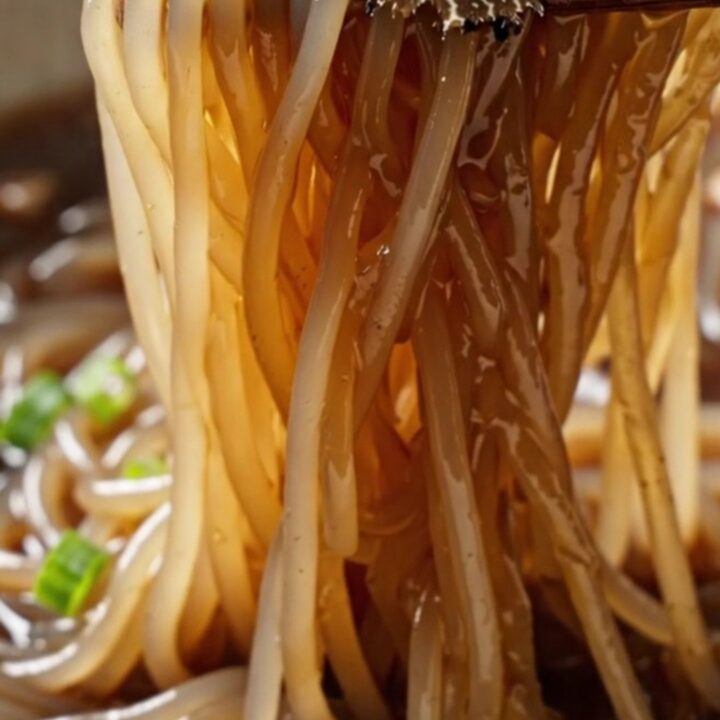
- Pour the shiitake dashi broth into the pan around the mushrooms and bring it to a lively 203°F (95°C) simmer. Add the glass noodles directly to the broth and cook for about 5 minutes, stirring so they do not stick, until fully translucent, chewy, and drinking up the dark broth.
- Toss the translucent noodles through the glazed mushrooms until every strand shines, adding a spoonful of broth if the pan looks dry. Lift the noodle tangle into warm bowls, crown with the pale scallion slices and shaved black truffle, scatter the green tops over, and serve immediately while bouncy and steaming.
Estimated nutrition per serving
- Calories
- 390
- Protein
- 4 g
- Carbohydrates
- 58 g
- Fat
- 12 g
- Fiber
- 3 g
- Sugar
- 4 g
- Sodium
- 890 mg
Next recipe

Cheesy Funeral Potatoes with Crispy Cornflake Topping
See the recipe → →This recipe is based on a short cooking video and is published under the pen name Clara Weller. It was checked before publication, but errors can slip through. Nutrition, when shown, is an estimate. Read more in our editorial policy and on our food safety page.
More recipes to try
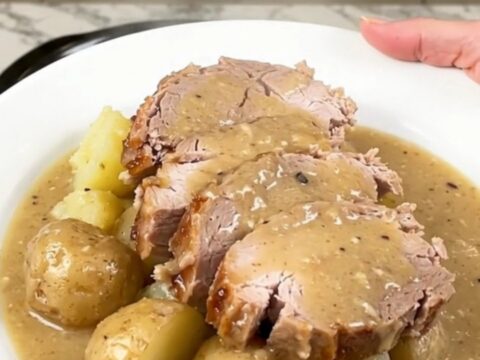
Crockpot Pork Loin in Creamy Bacon Gravy — Dump-and-Go Dinner
Total time: 4 h 20 min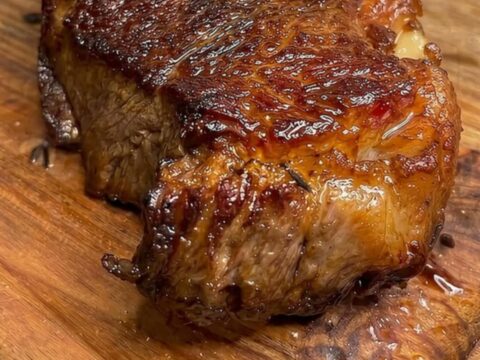
Pan-Seared Ribeye Steak with a Golden Crust in 20 Minutes
Total time: 32 min
Dump-and-Go Crockpot Thai Coconut Chicken Soup
Total time: 4 h 20 min
Bacon-Wrapped Sonoran Hot Dogs, Crispy in 30 Minutes
Total time: 30 min
New Mexico Stacked Green Chile Enchiladas Ready in 25 Minutes
Total time: 22 min