Desserts · Part 2 of 3: Instructions
Tropical Mango Danish with Passionfruit Cream: Flaky, Golden and Ready in About One Hour Step-by-step instructions
- Prep
- Cook
- Total
- Serves
- 6
Before you start
Thaw the puff pastry in the refrigerator overnight or at room temperature for about 40 minutes, until it can be unfolded without cracking. Preheat the oven to 400°F (200°C) with a rack in the middle. Line a rimmed baking tray with parchment paper. Peel and pit the mangoes, dice half of one mango for the topping, and slice the rest into thin wedges.
Halve the passionfruit and set the pulp in a small bowl. Soften the cream cheese at room temperature for about 20 minutes, and keep the heavy cream cold until you whip it. Toast the shredded coconut in a dry pan until pale golden, then let it cool. Having everything measured and ready keeps the assembly quick, so the pastry does not warm up and lose its crisp layers.
Ingredients at a glance (8)
- 1 sheet store-bought puff pastry, thawed
- 2 ripe mangoes, peeled and pitted
- 3 ripe passionfruit, halved
- 4 oz cream cheese, softened
- 1/2 cup heavy cream, cold
- 1/4 cup confectioners' sugar
- 1/4 cup shredded coconut, toasted
- 1 egg, beaten, for brushing
Instructions
Prepare the fruit and cream
- Prepare the mango and passionfruitWearing gloves, peel the mangoes and cut the flesh away from the stone. Score the flesh into cubes without piercing the skin, then cut half of the mango into small dice for the topping. Slice the rest into thin wedges. Halve the passionfruit and scoop the pulp and seeds into a small bowl.Look for Mango cubes hold their shape and the passionfruit pulp looks glossy and fragrant.Tip Chill the diced mango briefly so it stays firm during assembly.
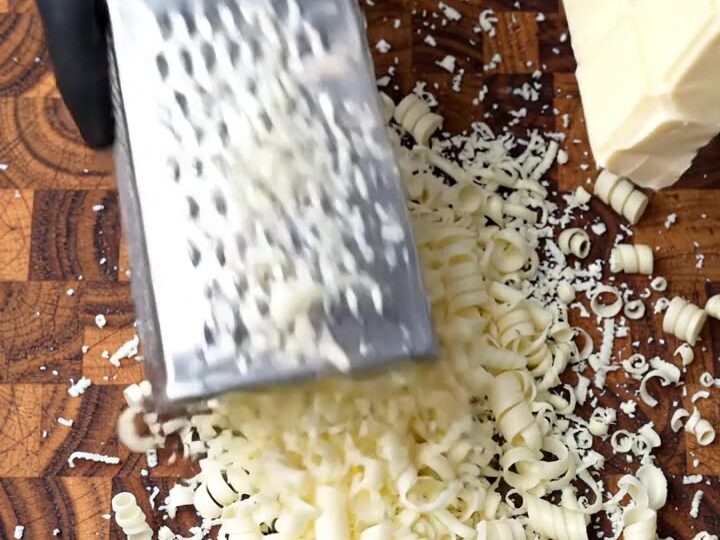
- Grate the coconut and make the creamToast the shredded coconut in a dry pan over medium heat until pale golden, then set it aside. In a bowl, beat the softened cream cheese with the confectioners' sugar until smooth. In a separate bowl, whip the cold heavy cream to soft peaks, then fold it gently into the cream cheese mixture.Look for The cream is smooth, thick and holds soft peaks when the whisk is lifted.Tip Stop whipping as soon as soft peaks form to keep the cream silky.
The mango is cut into even dice and wedges, the passionfruit pulp is scooped, and the cream cheese mixture is smooth. The whipped cream holds soft peaks and is folded through gently. The cream should look thick, pale and glossy, with no lumps of cream cheese left.
Before you cut the pastry, check that the cream is chilled enough to spread without sliding, and that the mango wedges are dry on the surface so they sit neatly on the cream without sliding off during baking.
Cut, fill and top the pastry
- Cut and fill the pastryUnroll the puff pastry on a lightly floured board and cut it into six rectangles. Arrange them on a parchment-lined tray and score a border about 1/2 inch inside each edge. Spread a layer of the passionfruit cream inside each border.Look for The rectangles are even and the scored border is visible on each pastry.Tip Keep the border dry so the edges puff and turn golden.
- Top with mango and passionfruitFan the mango wedges over the cream on each pastry. Spoon a little passionfruit pulp with seeds across the mango and cream. Brush the pastry borders lightly with the beaten egg.Look for The mango is fanned evenly and the passionfruit seeds sit on top of the cream.Tip Brush only the border, not the cream, to avoid a soggy base.
Each pastry rectangle has a dry, scored border and an even layer of cream inside it. The mango wedges are fanned evenly over the cream and the passionfruit seeds are spread across the fruit. The border has been brushed lightly with beaten egg, and the rectangles are spaced apart on the parchment so they can expand. Check that no cream has spilled over the border, because any cream on the edges can stop the pastry from rising and browning properly.
Bake, cool and finish
- Bake until puffed and goldenBake the danish in the middle of the oven at 400°F (200°C) for 15 to 20 minutes, until the pastry is deeply golden and puffed around the cream. Cool on the tray for 10 minutes before moving them to a board.Look for The edges are puffed, deep golden and crisp when pressed lightly.Tip Rotate the tray halfway through baking for even colour.
- Finish and serveScatter the diced mango over the warm danish, spoon over the remaining passionfruit pulp and seeds, and sprinkle with the toasted coconut. Serve on a board while the pastry is still crisp.Look for The pastry looks glossy and the toppings sit bright and fresh on top.Tip Add the fresh passionfruit at the last moment so it stays bright.
After baking, the pastry is puffed around the edges, deep golden on the top and crisp when lightly pressed. The centres look set, and the cream is firm and smooth. Let the danish cool on the tray for about ten minutes so the layers firm up. Then scatter the diced mango, spoon the rest of the passionfruit and sprinkle the toasted coconut just before serving, so the fruit stays bright and the pastry keeps its crunch on the board.
Common mistakes
The most common problem is a soggy base. This happens when the cream is too warm and runs, or when too much cream sits on the edges and blocks the pastry from rising. Keep the cream cold and spread it only inside the scored border. Another common mistake is using mango that is too watery; drain any juice well before it goes on the pastry.
Overfilling the rectangles also causes spillage and uneven baking. Finally, do not add the fresh mango and passionfruit before baking if you want them to look bright. Add the diced mango and the extra passionfruit after the pastry has cooled slightly, so the fruit stays fresh and the pastry stays crisp.
How to tell it’s done
The danish is done when the pastry is deeply golden on the top and bottom, the edges have puffed well above the cream, and the layers feel crisp when you lightly press the border. The cream should look set and smooth, not loose or runny, and it should hold its shape when the pastry is lifted.
Bake for 15 to 20 minutes, checking after 15 minutes and rotating the tray if one side browns faster. If the top colours too quickly, lower the rack slightly. The pastry is the only visual guide here, since the recipe contains no meat, poultry, fish or shellfish.
Up next · Part 3 of 3
4 variations · storage & make-ahead · 5 answers · printable card
Tips, FAQ & printable recipe (Part 3)← Back to the ingredients (Part 1)