Dinner · Part 3 of 3: Tips & recipe card
Slow-Simmered Roasted Tomato Beef Ragù Tips, FAQ & printable recipe
- Prep
- Cook
- Total
- Serves
- 4
Tips for success
For the best flavor, use freshly grated parmesan and good-quality crushed tomatoes. If you have time, let the sauce simmer for an extra 15 minutes—it only gets better.
When tossing the pasta, use tongs to lift and turn the noodles, which helps the sauce coat evenly. Do not rinse the pasta after draining; the starch helps the sauce adhere.
If the sauce becomes too thick before adding the pasta, loosen it with a splash of the hot pasta water. This also helps create a silky, emulsified sauce.
For a spicier ragù, add a pinch of red pepper flakes with the oregano. To make it ahead, cook the sauce without the pasta, then reheat and toss with freshly cooked noodles.
Variations
- Spicy Arrabbiata: Add 1/2 teaspoon of red pepper flakes along with the oregano for a spicy kick. Use a mix of ground beef and hot Italian sausage for extra depth. Finish with a drizzle of chili oil before serving.
- Mushroom Ragù: Sauté 8 ounces of sliced cremini mushrooms with the vegetables until browned. Replace half the ground beef with finely chopped mushrooms for a more earthy, vegetarian-leaning version. Use vegetable broth instead of pasta water if needed.
- Red Wine Ragù: After browning the beef, deglaze the pan with 1/2 cup of dry red wine, scraping up the browned bits. Let it reduce by half before adding the tomatoes. This adds a deep, fruity complexity to the sauce.
- Creamy Ragù: Stir in 1/2 cup of heavy cream or mascarpone cheese at the end, just before serving. This makes the sauce extra luxurious and silky. Reduce the mozzarella to 2 ounces to balance the richness.
Storage and make-ahead
- Fridge
- Store leftovers in an airtight container in the refrigerator for up to 3 days. Reheat gently with a splash of water or broth.
- Freezer
- Freeze the sauce (without pasta) in a freezer-safe container for up to 3 months. Thaw overnight in the fridge before reheating.
- Reheat
- Reheat in a skillet over medium-low heat, adding a splash of water or broth to loosen the sauce. Stir frequently until hot.
Store leftover ragù and pasta together in an airtight container in the refrigerator for up to 3 days.
The pasta will absorb some sauce, so add a splash of water or broth when reheating to restore the silky texture. Reheat gently in a skillet over medium-low heat, stirring often, until heated through.
The sauce can be made up to 2 days ahead, without the pasta. Let it cool completely, then refrigerate in an airtight container. When ready to serve, reheat the sauce in a skillet, add a splash of water, and toss with freshly cooked tagliatelle. The flavors will have melded even more.
Serving ideas
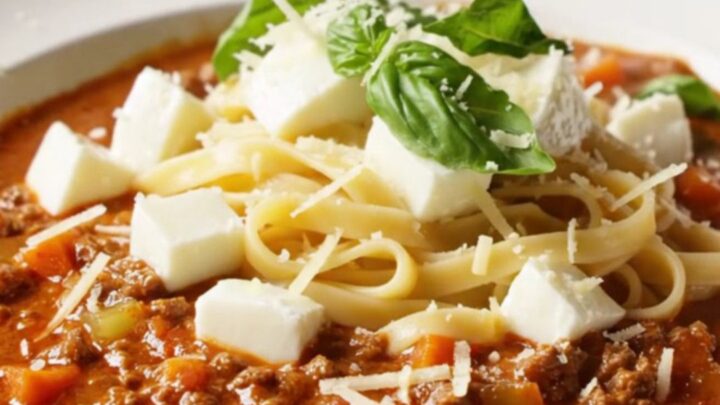
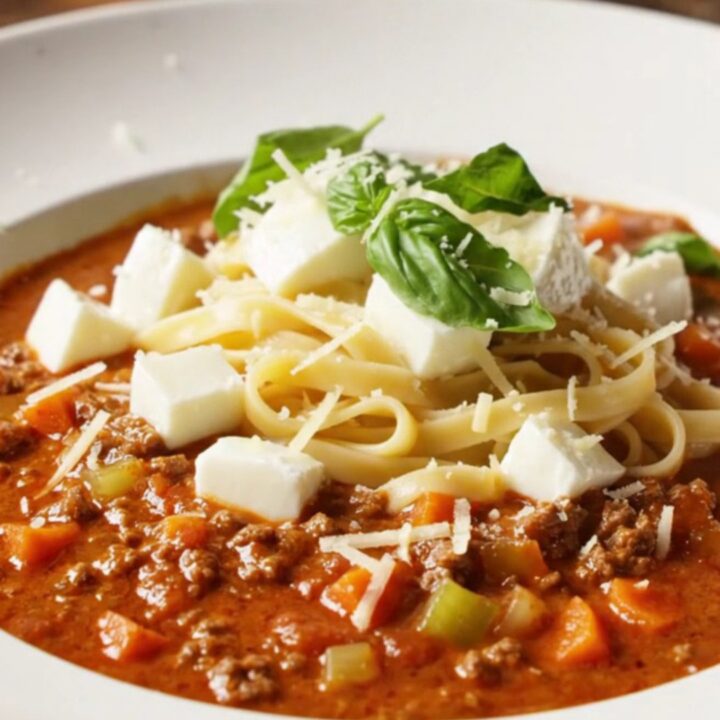
Serve the ragù in wide, shallow bowls to show off the glossy sauce and twirled pasta. Top with a generous shower of grated parmesan and a few torn basil leaves.
A side of crusty bread is perfect for sopping up every last bit of sauce. This ragù also pairs well with a simple green salad dressed with lemon and olive oil.
For a more indulgent meal, add a dollop of ricotta or a drizzle of good olive oil on top. The ragù is hearty enough to stand alone, but it also works as a filling for lasagna or as a sauce for polenta. Leftovers can be repurposed as a filling for stuffed shells or baked pasta.
Frequently asked questions
Can this ragù be made ahead of time?
Why does the sauce become watery?
Can gluten-free pasta be used?
What is the best cut of beef for this ragù?
Can this recipe be doubled?
Slow-Simmered Roasted Tomato Beef Ragù
Ingredients
- 2 tbsp olive oil
- 1 lb ground beef
- 1 medium carrot, finely diced
- 1 stalk celery, finely diced
- 1/2 medium yellow onion, finely diced
- 3 cloves garlic, minced
- 3 tbsp tomato paste
- 2 cans (28 oz each) crushed San Marzano tomatoes
- 1 tsp dried oregano
- Salt to taste
- Black pepper to taste
- 12 oz fresh tagliatelle
- 1/2 cup pasta water, reserved
- 1/2 cup grated parmesan cheese, plus more for serving
- 4 oz fresh mozzarella, cubed
- 1/4 cup fresh basil leaves, torn
Instructions
- Heat the olive oil in a large skillet or Dutch oven over medium-high heat. Add the ground beef and cook, breaking it up with a wooden spoon, until it is deeply browned and caramelized, about 5 minutes. Add the diced carrot, celery, onion, and minced garlic. Cook, stirring occasionally, until the vegetables are soft and the onion is translucent, about 5 more minutes.
- Stir in the tomato paste and cook for 1 minute, until it darkens slightly. Pour in the crushed San Marzano tomatoes, dried oregano, salt, and black pepper. Stir everything together, scraping up any browned bits from the bottom of the pan. Bring the sauce to a gentle simmer.
- Reduce the heat to low and let the sauce simmer gently, uncovered, for 30 minutes. Stir occasionally to prevent sticking. The sauce should thicken slightly and the flavors meld together. If it becomes too thick, add a splash of water or reserved pasta water later.
- Bring a large pot of salted water to a boil. Add the fresh tagliatelle and cook until al dente according to package directions, usually 2-3 minutes for fresh pasta. Reserve at least 1/2 cup of the pasta water before draining. Drain the pasta in a colander.
- Add the drained tagliatelle directly into the skillet with the simmering sauce. Toss well with tongs to coat every strand. Add the reserved pasta water a little at a time to loosen the sauce and help it cling to the pasta.
- Remove the skillet from the heat. Sprinkle the grated parmesan over the pasta and toss to combine. Add the cubed fresh mozzarella and gently fold it in until the cheese begins to melt and become silky. The residual heat is enough—do not return to the stove.
- Tear the fresh basil leaves directly over the pasta and toss once more to distribute. The basil will wilt slightly from the heat, releasing its aroma. Taste and adjust seasoning with salt and pepper if needed.
- Twirl a generous portion of the ragù-coated tagliatelle into wide ceramic bowls. Shower each bowl with extra grated parmesan and a few fresh basil leaves. Serve immediately while hot and silky.
Estimated nutrition per serving
- Calories
- 620
- Protein
- 35 g
- Carbohydrates
- 55 g
- Fat
- 28 g
- Fiber
- 5 g
- Sugar
- 10 g
- Sodium
- 800 mg
Next recipe
Crispy Chicken Alfredo Wrap with Garlic Parmesan Cream
See the recipe → →This recipe is based on a short cooking video and is published under the pen name Clara Weller. It was checked before publication, but errors can slip through. Nutrition, when shown, is an estimate. Read more in our editorial policy and on our food safety page.
More recipes to try
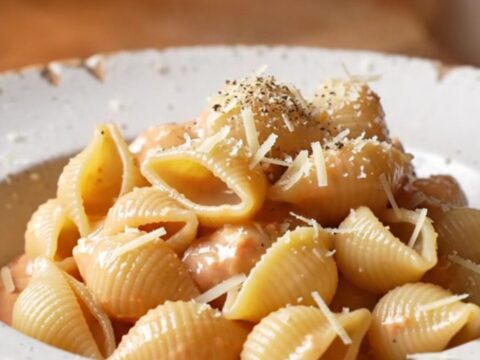
Creamy Baked Tomato and Feta Shell Pasta
Total time: 45 min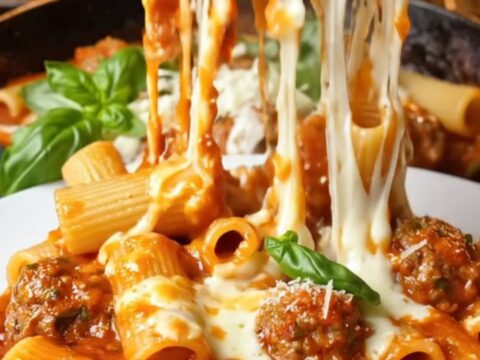
One-Pan Baked Rigatoni with Garlic Meatballs and Mozzarella
Total time: 50 min
Crispy Chicken Alfredo Wrap Stuffed with Garlic Parmesan Cream
Total time: 35 min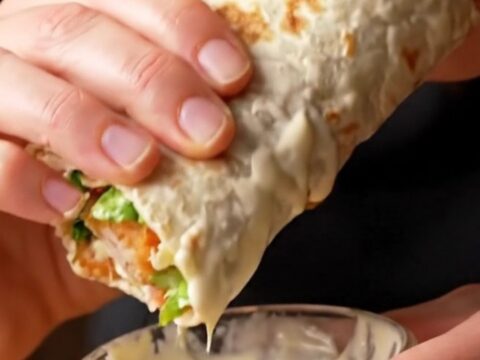
Crispy Chicken Caesar Wrap Toasted in Avocado Oil
Total time: 35 min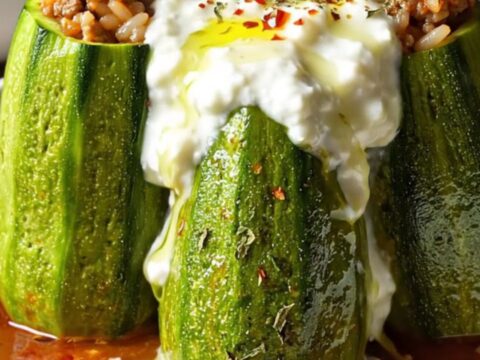
Stuffed Round Turkish Zucchini Bowls in Garlic Tomato Sauce
Total time: 1 h 10 min