Dinner · Part 3 of 3: Tips & recipe card
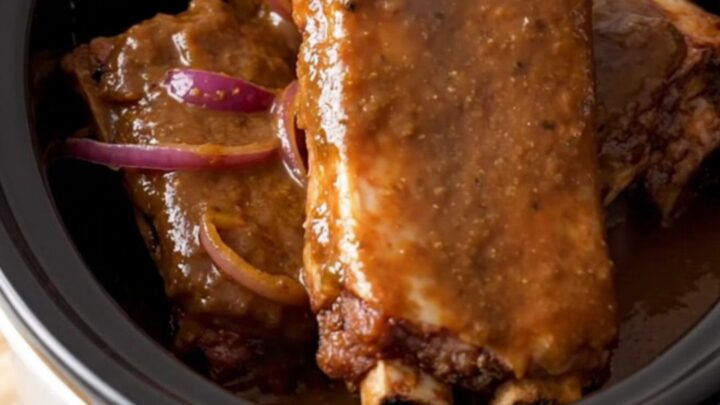
Slow Cooker Jerk Spareribs with Orange Glaze Tips, FAQ & printable recipe
- Prep
- Cook
- Total
- Serves
- 4
Tips for success
For a deeper flavor, you can marinate the ribs in the jerk seasoning and orange juice in the refrigerator for up to four hours before placing them in the slow cooker.
This allows the spices to penetrate deeper into the meat, though it is entirely optional and the dish will still be delicious without this extra step.
If you find the sauce is still too thin after the cooking time, you can remove the ribs and simmer the sauce in a small saucepan on the stove over medium heat until it reaches your desired consistency.
This can be done while the ribs are resting, ensuring the final dish is perfectly glazed and packed with concentrated flavor.
Variations
- Spicy Jerk Spareribs: Add a teaspoon of cayenne pepper or finely diced scotch bonnet peppers to the jerk seasoning blend to significantly increase the heat level for those who enjoy a spicier, more authentic Caribbean flavor profile.
- Garlic-Infused Jerk Ribs: Incorporate four cloves of minced fresh garlic into the slow cooker along with the onions. This adds a pungent, savory depth that complements the sweetness of the orange juice and the warmth of the jerk spices.
Storage and make-ahead
- Fridge
- Store in an airtight container in the refrigerator for up to 3 days.
- Freezer
- Freeze in a freezer-safe bag or container for up to 2 months.
- Reheat
- Reheat gently in the oven at 300°F (150°C) until warmed through, or in the microwave on medium power, adding a splash of water if the sauce becomes too thick.
Allow any leftovers to cool completely at room temperature for no more than two hours before transferring them to an airtight container.
Keep the ribs and the sauce together to ensure the meat stays moist while in the refrigerator. Properly stored, the leftovers will maintain their quality for up to three days.
You can prepare the jerk seasoning blend and slice the red onions a day in advance to save time. Keep them in separate containers in the refrigerator until you are ready to assemble the dish.
This makes the final setup incredibly quick, allowing you to have a gourmet meal ready with almost zero effort on the day of cooking.
Serving ideas
Serve these jerk spareribs hot, drizzled with the thickened sauce from the slow cooker. They pair beautifully with cooling side dishes like a simple cabbage slaw, fresh corn on the cob, or steamed white rice to soak up the flavorful, spiced juices of the glaze.
Present the ribs on a large wooden board or a platter to showcase their rich, dark glaze and tender texture. Garnish with a few fresh herbs if desired, though the bold flavors of the jerk seasoning are the star of the show and stand perfectly well on their own for a satisfying meal.
Frequently asked questions
Can this dish be made ahead of time?
Why is it important to let the meat rest?
Is it possible to use different cuts of pork?
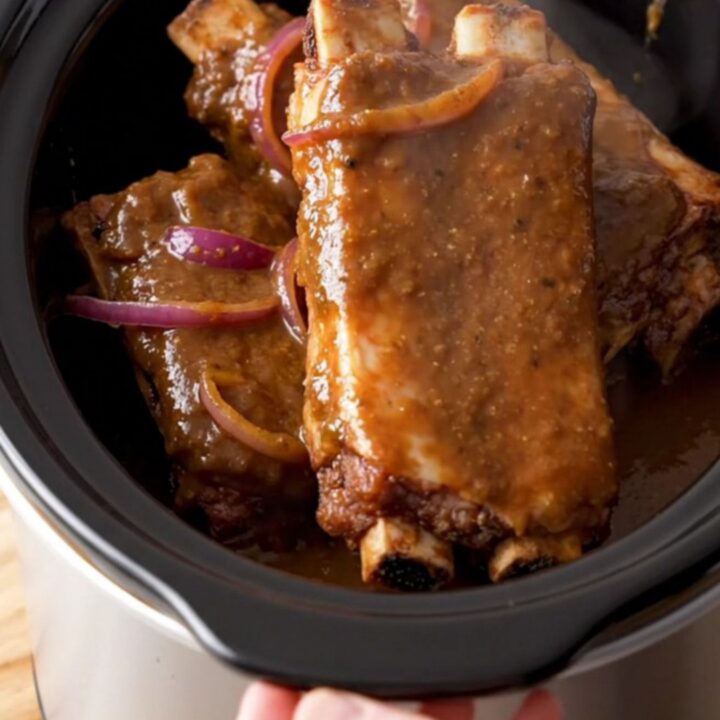
Slow Cooker Jerk Spareribs with Orange Glaze
Ingredients
- 3 lb pork spareribs, cut into individual rib sections
- 1 large red onion, sliced into half-moons
- 1/4 cup jerk seasoning with brown sugar
- 1/2 cup orange juice
Instructions
- Place the pork sparerib sections into the slow cooker insert, arranging them around the walls to ensure even cooking. Add the sliced red onion on top of the ribs.
- Sprinkle the jerk seasoning with brown sugar evenly over the ribs and onions. Pour the orange juice over the top to provide moisture and acidity for the braising liquid.
- Cover and cook on low for 6 hours or until the ribs reach an internal temperature of 145°F (63°C). Let the meat rest for at least 5 minutes before serving to ensure tenderness.
Estimated nutrition per serving
- Calories
- 450
- Protein
- 32 g
- Carbohydrates
- 18 g
- Fat
- 28 g
- Fiber
- 1.5 g
- Sugar
- 14 g
- Sodium
- 650 mg
Next recipe
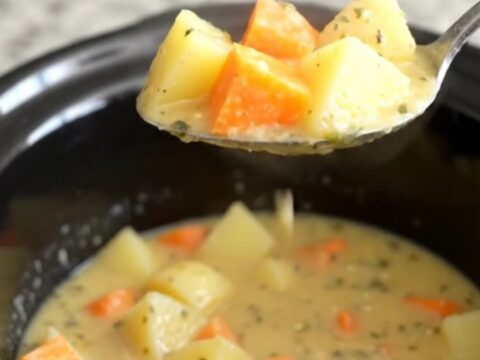
Creamy Crockpot Harvest Root Vegetable Chowder
See the recipe → →This recipe is based on a short cooking video and is published under the pen name Clara Weller. It was checked before publication, but errors can slip through. Nutrition, when shown, is an estimate. Read more in our editorial policy and on our food safety page.
More recipes to try

Easy Vegetable Pot Pie Biscuit Bake
Total time: 45 min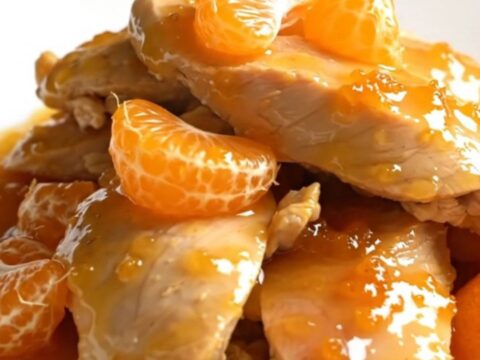
Slow Cooker Mandarin Orange Chicken Tenders
Total time: 4 h 15 min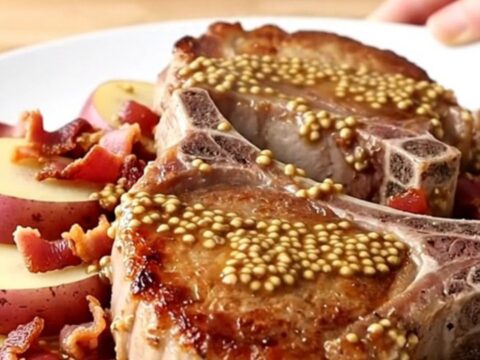
Slow Cooker German Pork Chops with Bacon and Potatoes
Total time: 6 h 20 min
Bacon Cheddar Cabbage Wedge Bake
Total time: 55 min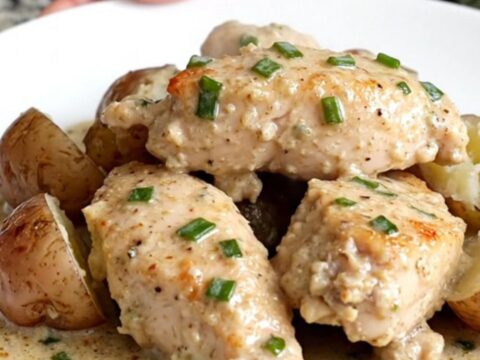
Creamy Chive Slow Cooker Chicken and Potatoes
Total time: 4 h 15 min