Dinner · Part 1 of 3: Ingredients
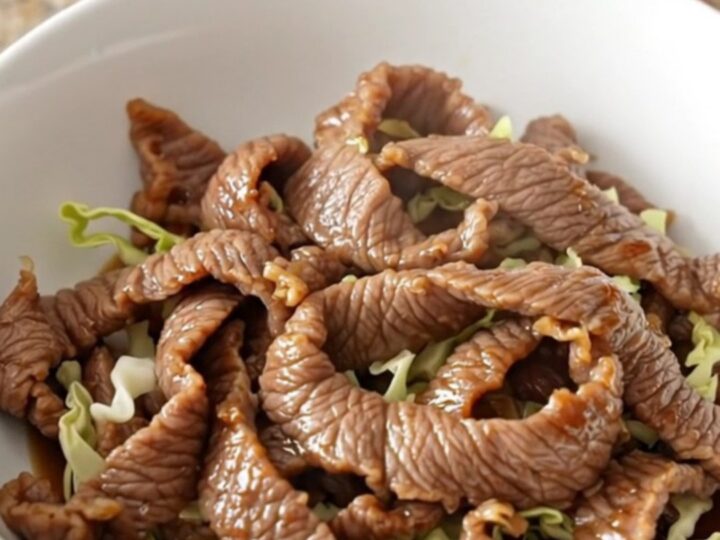
Easy Slow Cooker Steak Egg Roll in a Bowl
- Prep
- Cook
- Total
- Serves
- 4
Elevate your weeknight dinner routine with this incredibly simple, hands-off slow cooker meal. By combining fresh ingredients in a single pot, this dish captures all the bold, savory notes of a classic egg roll without the need for frying or wrappers.
It is the perfect solution for busy schedules, allowing you to prep in minutes and return to a warm, aromatic, and satisfying meal that the entire household will appreciate for its simplicity and depth of flavor.
This steak egg roll in a bowl recipe is designed for those who love the taste of takeout but prefer the convenience of home cooking. Utilizing the slow cooker allows the beef to braise gently in a savory mixture of soy sauce and aromatic ginger, while the cabbage and carrots soften into the perfect texture.
This method ensures that the flavors meld beautifully over several hours, resulting in a dish that is both comforting and efficient. It is a straightforward approach to a complex-tasting meal that requires minimal active effort and cleanup, making it an ideal choice for any day of the week.
Ingredients
- 1 lb thin raw round steak strips
- 4 cups shredded cabbage
- 1 cup shredded carrots
- 1 tbsp ginger garlic seasoning
- 1/3 cup soy sauce
Why this recipe works
The slow cooking method is essential here because it allows the tough connective tissues in the round steak to break down over time. By braising the meat in a covered environment, moisture is retained, which prevents the beef from drying out while it absorbs the savory notes from the soy sauce and ginger. This creates a tender, succulent texture that is difficult to achieve with quick-cooking methods, ensuring each bite is flavorful and satisfying.
Layering the ingredients is a crucial step that optimizes the cooking process within the slow cooker. By placing the steak at the bottom and the vegetables on top, the juices released by the cabbage and carrots during the heating process trickle down to baste the meat.
This natural steaming effect keeps the vegetables from becoming overly mushy while infusing the beef with aromatic depth, resulting in a harmonious balance of textures and tastes in every serving.
Notes and substitutions
For the best results, use a high-quality round steak and slice it into thin, uniform strips. If the strips are too thick, they may require additional time to reach the desired tenderness. The ginger garlic seasoning adds a punch of flavor, but if you prefer fresh aromatics, you can substitute it with finely minced fresh ginger and garlic cloves for a sharper, more vibrant taste profile that enhances the overall savory quality of the dish.
When it comes to equipment, a standard oval slow cooker is ideal for this recipe as it provides ample surface area for the ingredients to cook evenly. Ensure your lid fits tightly to trap the steam, which is vital for the braising process.
While the recipe uses a specific amount of soy sauce, feel free to adjust the seasoning to taste once the cooking cycle is complete, keeping in mind that the vegetables will also release a significant amount of liquid.
- round steak: sirloin strips or flank steak cut against the grain for tender results.
- soy sauce: tamari or coconut aminos if needing a gluten-free alternative.
Equipment
- slow cooker
- cutting board
- chef knife
- measuring cups
- measuring spoons
Up next · Part 2 of 3
3 steps · 4 h of cooking · what to look for at each stage
Step-by-step instructions (Part 2)