Dinner · Part 3 of 3: Tips & recipe card
Slow Cooker Four-Ingredient Hash Brown Potato Soup Tips, FAQ & printable recipe

- Prep
- Cook
- Total
- Serves
- 6
Tips for success
To add a bit of freshness or color before serving, consider topping the soup with chopped chives, green onions, or a sprinkle of cracked black pepper.
While the recipe is excellent on its own, these simple additions can elevate the presentation and provide a slight contrast to the richness of the creamy base.
If you find the soup is thicker than you prefer, you can thin it out by stirring in a small amount of warm milk or additional broth. Do this gradually, one tablespoon at a time, to ensure you reach the desired consistency without compromising the flavor profile of the base.
Variations
- Loaded Potato Soup: Stir in crispy cooked bacon bits and shredded cheddar cheese right before serving for a classic loaded potato flavor profile that adds extra saltiness and texture.
- Spicy Potato Soup: Add a teaspoon of red pepper flakes or a dash of hot sauce to the slow cooker at the beginning to provide a subtle, warming heat to the creamy base.
Storage and make-ahead
- Fridge
- Allow the soup to cool for no more than 2 hours before placing it in an airtight container and storing it in the refrigerator for up to 3 days.
- Freezer
- This soup can be frozen in a freezer-safe container for up to 2 months. Note that the texture may change slightly upon thawing due to the dairy.
- Reheat
- Reheat the soup in a saucepan over low heat, stirring frequently until steaming hot. Add a splash of broth if the soup appears too thick after cooling.
Store any leftovers in an airtight container in the refrigerator. The soup will thicken as it cools, which is normal.
When storing, ensure the container is sealed tightly to prevent the soup from absorbing other flavors in the fridge. Properly stored, it will maintain its quality for up to three days.
This soup is an excellent candidate for making ahead, as the flavors often improve after sitting for a few hours. You can prepare it on the weekend and store it in the refrigerator.
When ready to serve, simply reheat gently on the stovetop or in the microwave, adding a splash of liquid if needed to loosen the texture.
Serving ideas
Serve this soup hot in shallow bowls to showcase the texture of the diced potatoes. It pairs beautifully with a side of crusty bread, a simple green salad, or even some crackers for crunch.
The creamy nature of the soup makes it a very satisfying main course that stands well on its own.
Because the recipe is quite rich, smaller portions are often sufficient for a starter, while full-sized bowls work perfectly as a main meal. Ensure the soup is served immediately after the final stirring to maintain the best temperature and consistency for your guests or family members.
Frequently asked questions
Can this soup be made in a pressure cooker?
Why is the cream cheese not melting correctly?
Can a different type of cream cheese be used?
Slow Cooker Four-Ingredient Hash Brown Potato Soup

Ingredients
- 30 oz frozen diced hash browns
- 1 can condensed cream of chicken soup
- 3 cups chicken broth
- 8 oz block cream cheese
Instructions
- Place the frozen diced hash browns into the bowl of a slow cooker. Add the condensed cream of chicken soup and the chicken broth to the potatoes.
- Place the block of cream cheese in the center of the slow cooker on top of the other ingredients. Cover and cook on low for 4 hours until the potatoes are tender and the poultry components in the soup base reach 165°F (74°C).
- Once the cooking time is complete, stir the soup vigorously until the cream cheese is fully melted and incorporated into the broth, creating a smooth and creamy consistency.
Estimated nutrition per serving
- Calories
- 380
- Protein
- 9 g
- Carbohydrates
- 32 g
- Fat
- 24 g
- Fiber
- 2.5 g
- Sugar
- 4 g
- Sodium
- 850 mg
Next recipe
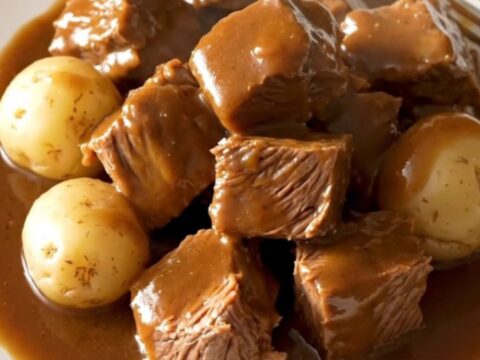
Slow Cooker Beef Tips and Potatoes for an Easy Family Dinner
See the recipe → →This recipe is based on a short cooking video and is published under the pen name Clara Weller. It was checked before publication, but errors can slip through. Nutrition, when shown, is an estimate. Read more in our editorial policy and on our food safety page.
More recipes to try
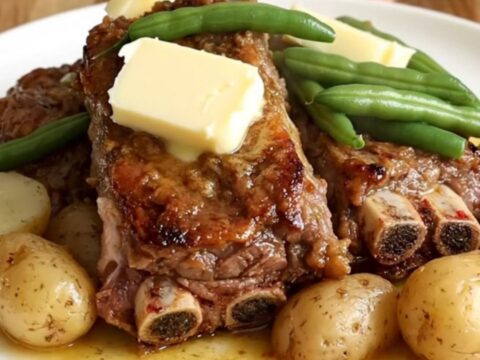
Slow Cooker Butter Ribs with Green Beans and Potatoes
Total time: 6 h 15 min
Easy Slow Cooker Hot Honey Chicken Wings
Total time: 4 h 10 min
Easy Slow Cooker Butter Chicken
Total time: 4 h 15 min
Creamy Cheeseburger Turkey Orzo Bake
Total time: 50 min
Slow Cooker Maple Gochujang Chicken Drumsticks
Total time: 4 h 15 min