Dinner · Part 3 of 3: Tips & recipe card
Slow Cooker Beef Stew with Butternut Squash and Cinnamon Tips, FAQ & printable recipe
- Prep
- Cook
- Total
- Serves
- 4
Tips for success
To enhance the depth of flavor, consider browning the beef cubes in a separate skillet before adding them to the slow cooker.
This adds a layer of complexity through the Maillard reaction, though it is not strictly necessary for this simple recipe. If browning, ensure the pan is hot and do not overcrowd it to achieve a good sear.
If the stew appears too thin after the cooking time, remove the lid and switch the slow cooker to high for the last 30 minutes.
This helps to reduce the sauce and intensify the tomato and cinnamon notes. Adjust seasoning with a pinch of salt or pepper only after the stew has finished cooking to ensure the flavors are balanced.
Variations
- Savory Herb Twist: Add a sprig of fresh rosemary or thyme during the cooking process to introduce an earthy, herbal note that pairs beautifully with the beef and butternut squash.
- Spicy Kick: Incorporate a pinch of red pepper flakes or a small amount of chili paste when adding the tomato coulis for a subtle heat that cuts through the richness of the stew.
Storage and make-ahead
- Fridge
- Store in an airtight container for up to 3 days in the refrigerator.
- Freezer
- Freeze in a freezer-safe container for up to 2 months; thaw in the refrigerator before reheating.
- Reheat
- Reheat on the stovetop over low heat, stirring occasionally, or in the microwave until steaming hot.
Transfer any leftover stew to an airtight container once it has cooled to room temperature, which should take no longer than two hours.
Proper storage is essential to maintain the quality and safety of the dish. Keep the container in the coldest part of the refrigerator to ensure it remains fresh for up to three days.
This stew is an excellent candidate for making ahead, as the flavors often improve after sitting for a day. Prepare the entire dish as instructed, then allow it to cool completely before refrigerating.
Reheating the stew gently on the stovetop or in the microwave allows the ingredients to re-absorb the sauce, often resulting in an even better texture and taste.
Serving ideas
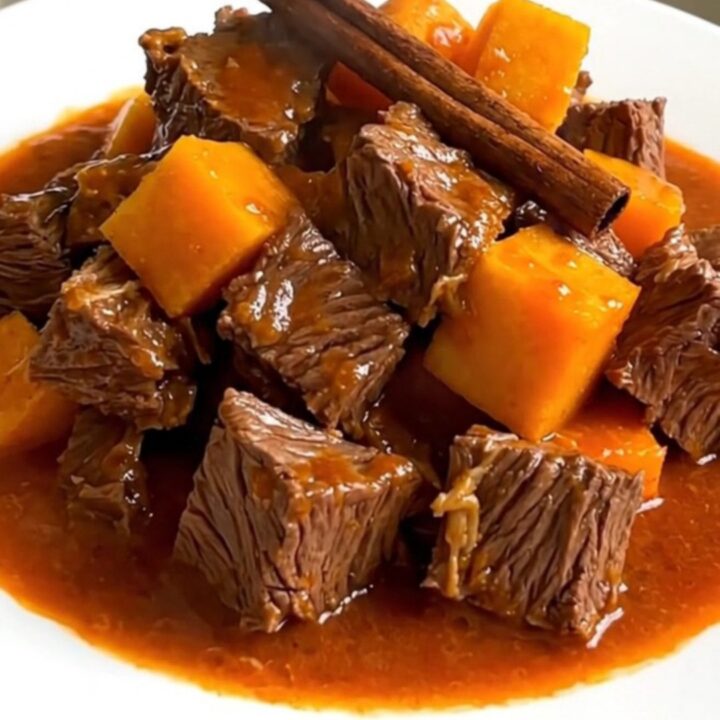
Serve the beef stew hot in shallow bowls to showcase the vibrant colors of the butternut squash and the glossy tomato sauce. A simple side of crusty bread or a light salad provides a nice contrast to the richness of the stew, allowing the flavors of the beef and cinnamon to shine through.
For an elegant presentation, garnish the stew with a small amount of fresh herbs if desired, although the dish is complete on its own. Ensure each serving includes a balanced portion of beef and squash to provide a variety of textures in every bite, making for a satisfying and complete dining experience.
Frequently asked questions
Can this be made ahead?
Is the cinnamon stick necessary?
What if the sauce is too thin?
Slow Cooker Beef Stew with Butternut Squash and Cinnamon
Ingredients
- 1 lb beef cubes
- 2 cups diced butternut squash
- 1 medium onion, sliced
- 1 stick cinnamon stick
- 1 tbsp crumbled bouillon
- 2 cups tomato coulis
Instructions
- Place the raw beef cubes into the base of the slow cooker. Add the diced butternut squash and the sliced onions over the beef. Scatter the crumbled bouillon and place the cinnamon stick on top.
- Pour the tomato coulis evenly over the layered ingredients in the slow cooker. Secure the lid tightly and set the slow cooker to low heat for 8 hours to allow the meat to braise gently.
- Verify that the beef is fully tender. Check that the internal temperature of the beef cubes reaches at least 145°F (63°C). Turn off the slow cooker and allow the stew to rest for at least 3 minutes before serving.
Estimated nutrition per serving
- Calories
- 420
- Protein
- 32.5 g
- Carbohydrates
- 28 g
- Fat
- 18 g
- Fiber
- 4.5 g
- Sugar
- 6 g
- Sodium
- 450 mg
Next recipe

Slow Cooker Deviled Chicken with Shallots
See the recipe → →This recipe is based on a short cooking video and is published under the pen name Clara Weller. It was checked before publication, but errors can slip through. Nutrition, when shown, is an estimate. Read more in our editorial policy and on our food safety page.
More recipes to try
Slow Cooker Shredded Beef Chili for Easy Weeknight Meals
Total time: 8 h 15 min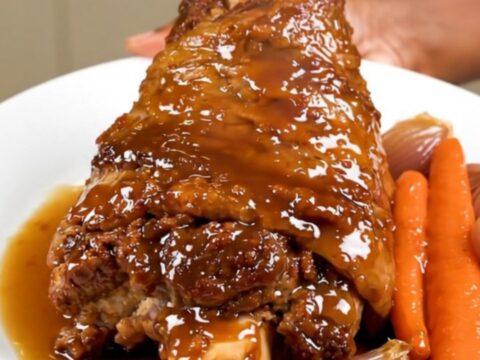
Slow Cooker Braised Pork Shank with Cider and Shallots
Total time: 8 h 15 min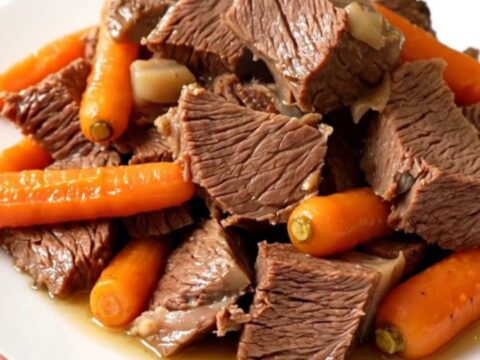
Slow Cooker Braised Beef Chuck Pot-au-Feu with Horseradish
Total time: 8 h 15 min
Slow Cooker Chicken with Glazed Shallots and Red Wine
Total time: 4 h 15 min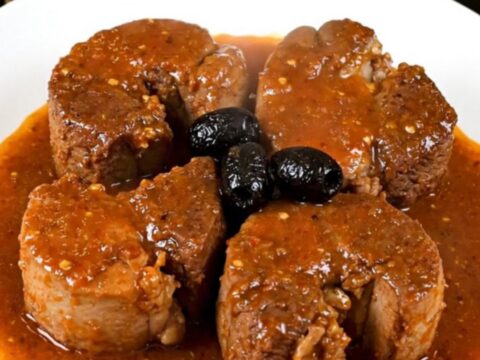
Slow Cooker Provencal Pork Cheeks for a Tender Dinner
Total time: 8 h 15 min