Dinner · Part 3 of 3: Tips & recipe card
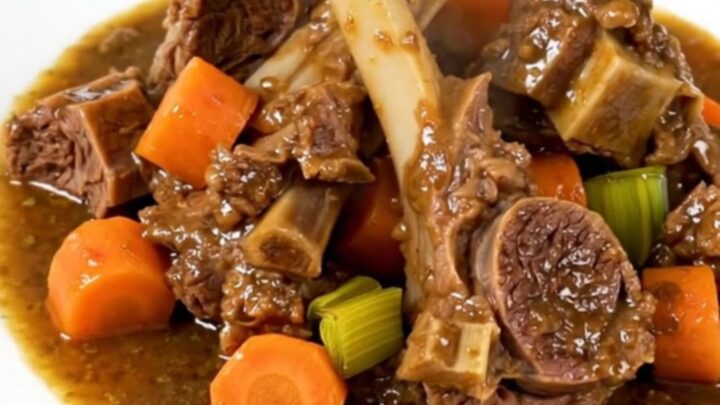
Slow Cooker Autumn Lamb Stew for Easy Weeknight Dinners Tips, FAQ & printable recipe
- Prep
- Cook
- Total
- Serves
- 4
Tips for success
To enhance the depth of flavor, you can briefly sear the lamb in a separate pan before adding it to the slow cooker, although this step is optional.
Browning the meat caramelizes the surface, adding a complex, savory note to the final stew. If you choose to sear, ensure you deglaze the pan with a splash of broth to capture every bit of flavor.
Adjusting the seasoning at the very end is crucial. Taste the broth after the cooking time is complete and add a small amount of salt or freshly cracked black pepper if needed. The flavors will have concentrated during the long cook, so go slowly with added salt to ensure the final result is perfectly seasoned without becoming overwhelming.
Variations
- Root Vegetable Variation: Add chopped parsnips or chunks of celery root to the mix. These hearty root vegetables add a subtle sweetness and an earthy depth that pairs exceptionally well with the flavor of the lamb.
- Wine-Infused Stew: Replace half of the vegetable broth with a dry red wine. The acidity of the wine helps to balance the richness of the lamb and adds a sophisticated layer of flavor to the sauce.
Storage and make-ahead
- Fridge
- Keep in an airtight container for up to 3 days.
- Freezer
- Freeze for up to 2 months in a freezer-safe container.
- Reheat
- Reheat gently on the stovetop over low heat until warmed through.
Store any leftover stew in an airtight container. Allow the stew to cool for no more than 2 hours at room temperature before transferring it to the refrigerator to ensure food safety.
This dish is an excellent candidate for making ahead, as it reheats beautifully. Prepare the stew entirely, let it cool completely, and store it in the refrigerator.
When ready to serve, gently reheat it on the stovetop over low heat. The convenience of having a ready-to-eat meal makes this a perfect choice for planning ahead during a busy week.
Serving ideas
Serve this lamb stew hot in wide, shallow bowls to best appreciate the aroma. Pair the dish with a piece of crusty bread or a side of steamed grains to soak up the flavorful broth.
The simplicity of the dish allows it to stand alone as a complete meal, but a light green salad with a sharp vinaigrette can provide a nice contrast to the richness of the stew.
When plating, ensure each serving receives a generous portion of both the lamb and the tender vegetables. A light sprinkle of fresh parsley or an extra pinch of herbs can add a touch of color and brightness to the finished plate.
The stew should be served immediately while steaming to ensure the best possible texture and temperature for your guests to enjoy.
Frequently asked questions
Can this stew be cooked on high heat?
Is it necessary to brown the lamb first?
What is the best way to thicken the stew?
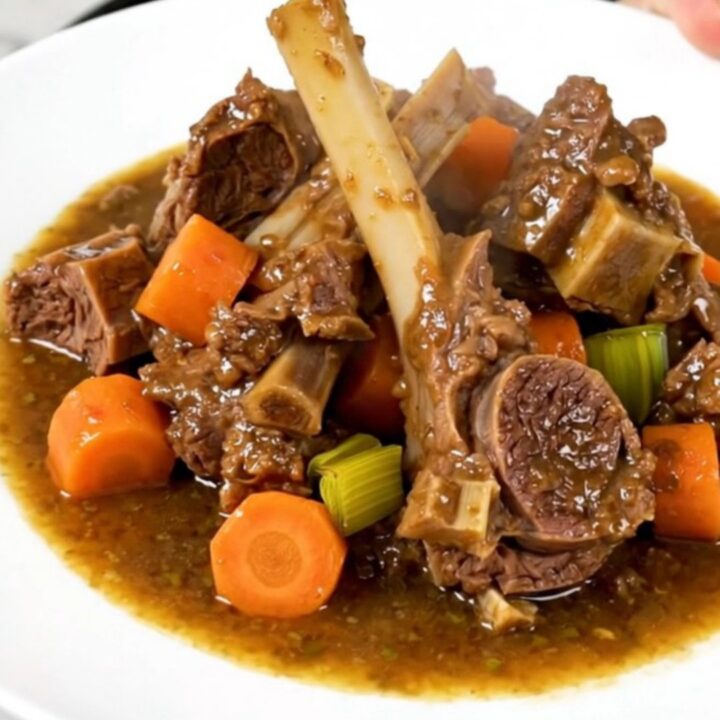
Slow Cooker Autumn Lamb Stew for Easy Weeknight Dinners
Ingredients
- 2 lb lamb cubes, trimmed of excess fat
- 3 large carrots, peeled and sliced into rounds
- 2 medium turnips, peeled and chopped
- 2 medium leeks, cleaned and sliced
- 1 tbsp herbes de Provence
- 2 cups vegetable broth
Instructions
- Place the raw lamb cubes into the bottom of the slow cooker. Scatter the sliced carrots, chopped turnips, and sliced leeks evenly over the meat to ensure even cooking throughout the process.
- Sprinkle the herbes de Provence over the vegetables and meat. Pour the vegetable broth over the top of the ingredients, ensuring everything is lightly moistened for the slow simmering process ahead.
- Cover and cook on low for 8 hours or high for 4 hours until the lamb is tender. Ensure the meat reaches at least 145°F (63°C). Let the stew rest for 5 minutes before serving on warm plates.
Estimated nutrition per serving
- Calories
- 420
- Protein
- 32 g
- Carbohydrates
- 18 g
- Fat
- 24 g
- Fiber
- 4.5 g
- Sugar
- 6 g
- Sodium
- 450 mg
Next recipe

Slow Cooker Coconut Curry Chicken for Easy Weeknight Dinners
See the recipe → →This recipe is based on a short cooking video and is published under the pen name Clara Weller. It was checked before publication, but errors can slip through. Nutrition, when shown, is an estimate. Read more in our editorial policy and on our food safety page.
More recipes to try

Slow Cooker Ham and Comté Macaroni Gratin
Total time: 3 h 10 min
Easy Slow Cooker Chicken and Autumn Vegetable Couscous
Total time: 4 h 15 min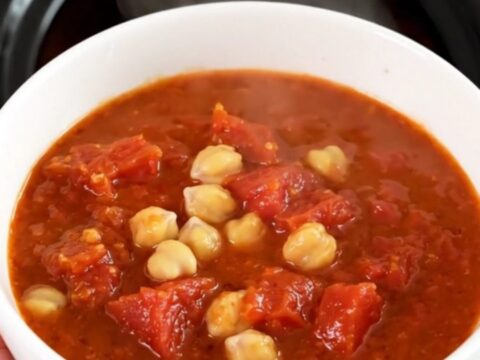
Slow Cooker Chickpea and Tomato Stew
Total time: 4 h 10 min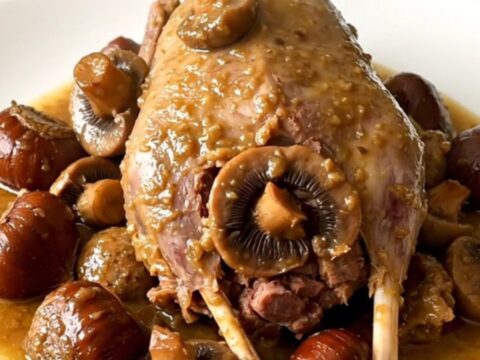
Slow Cooker Guinea Fowl with Chestnuts and Mushrooms
Total time: 4 h 15 min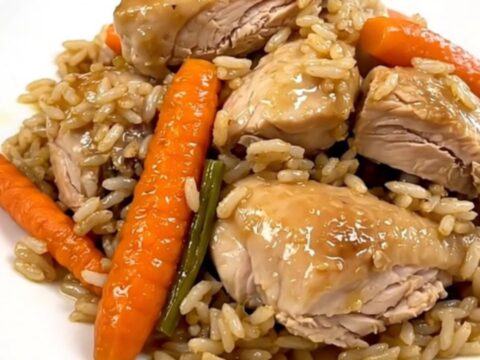
Easy Slow Cooker Chicken and Rice with Tender Carrots
Total time: 4 h 15 min