Dinner · Part 2 of 3: Instructions
Slow Cooker Autumn Lamb Stew for Easy Weeknight Dinners Step-by-step instructions
- Prep
- Cook
- Total
- Serves
- 4
Before you start
Before beginning, ensure all vegetables are washed and prepared according to the instructions. Peel the carrots and turnips, and slice them into uniform, bite-sized pieces to ensure they cook at the same rate.
Clean the leeks thoroughly by slicing them lengthwise and rinsing away any hidden soil. Have your slow cooker clean and set on a flat, stable surface near an outlet, and clear your workspace to allow for efficient assembly of the ingredients.
Ingredients at a glance (6)
- 2 lb lamb cubes, trimmed of excess fat
- 3 large carrots, peeled and sliced into rounds
- 2 medium turnips, peeled and chopped
- 2 medium leeks, cleaned and sliced
- 1 tbsp herbes de Provence
- 2 cups vegetable broth
Instructions
Initial Assembly
- Assemble the basePlace the raw lamb cubes into the bottom of the slow cooker. Scatter the sliced carrots, chopped turnips, and sliced leeks evenly over the meat to ensure even cooking throughout the process.Look for The lamb cubes should be distributed in a single layer at the bottom.Tip Pat the lamb dry with paper towels before adding to the cooker to improve browning.
At this phase, the raw lamb and vegetables are layered neatly in the slow cooker. Ensure the lamb is positioned at the bottom to benefit from the most direct heat.
The vegetables should be distributed evenly on top, providing a structured foundation for the slow cooking process. Everything should look organized and ready for the liquid and seasoning.
Seasoning and Liquid
- Season and add liquidSprinkle the herbes de Provence over the vegetables and meat. Pour the vegetable broth over the top of the ingredients, ensuring everything is lightly moistened for the slow simmering process ahead.Look for The liquid should partially submerge the vegetables and meat.Tip Use a low-sodium broth to better control the final salt level of the stew.
The stew is now seasoned with herbs and moistened with the broth. The liquid should be visible around the edges of the ingredients, and the herbes de Provence should be distributed across the top. This stage marks the beginning of the flavor infusion, where the dry herbs will slowly hydrate and release their essential oils into the cooking liquid.
Simmering to Finish
- Slow cook and serveCover and cook on low for 8 hours or high for 4 hours until the lamb is tender. Ensure the meat reaches at least 145°F (63°C). Let the stew rest for 5 minutes before serving on warm plates.Look for The lamb should be fork-tender and the broth aromatic.Safe temperature 145°F (63°C) internal temperature (steaks, chops and roasts)Tip Check the internal temperature of the thickest piece of meat to ensure safety.
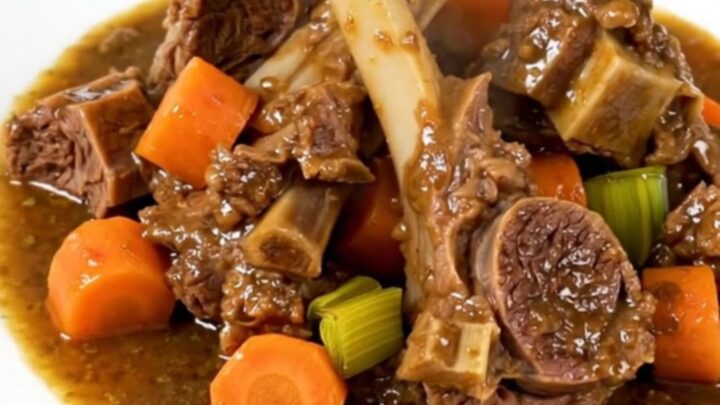
After the long cook, the kitchen should be filled with the savory aroma of cooked lamb and herbs. The meat should be tender, the vegetables should be tender and vibrant, and the sauce should have reduced to a glossy consistency. Before serving, verify that the lamb is thoroughly cooked and let it rest briefly to finalize the textures.
Common mistakes
Avoid lifting the lid frequently during the cooking process, as this releases heat and steam, significantly increasing the time needed for the stew to finish.
Additionally, ensure the vegetables are not cut too small, or they may disintegrate into the broth during the long cooking cycle. Finally, do not overcrowd the slow cooker, as proper airflow is necessary for the stew to cook evenly and for the flavors to meld correctly.
How to tell it’s done
The stew is finished when the lamb cubes are fork-tender and yield easily to light pressure. The vegetables should be soft but still hold their shape, and the broth should have thickened slightly into a rich, aromatic sauce.
Use a digital meat thermometer to confirm the lamb has reached an internal temperature of at least 145°F (63°C). Allow the dish to rest for five minutes after turning off the slow cooker to let the juices redistribute.
- Steaks, chops and roasts: 145°F (63°C) in the thickest part, then a 3-minute rest
Up next · Part 3 of 3
2 variations · storage & make-ahead · 3 answers · printable card
Tips, FAQ & printable recipe (Part 3)← Back to the ingredients (Part 1)