Dinner · Part 3 of 3: Tips & recipe card
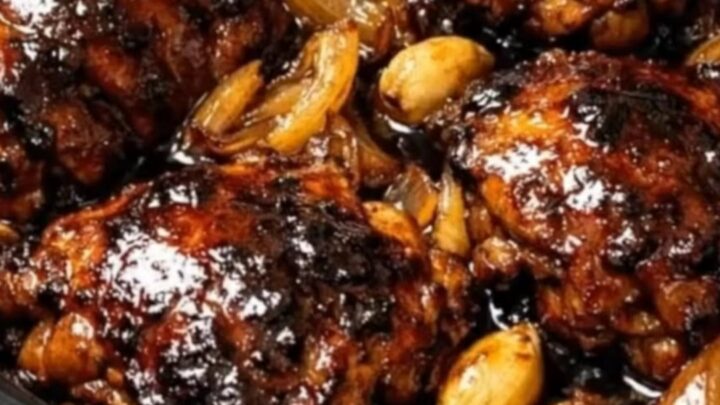
Slow Cooker Amish Molasses Chicken for a Tender Dinner Tips, FAQ & printable recipe
- Prep
- Cook
- Total
- Serves
- 4
Tips for success
For a more concentrated glaze, remove the chicken once cooked and set the slow cooker to high for 15-20 minutes with the lid off. This allows the remaining liquid to reduce into a thicker, stickier sauce that can be spooned over the chicken before serving for an extra boost of flavor and shine.
If you find the sauce is too thin after the cooking time, you can carefully transfer the liquid to a small saucepan and simmer it over medium heat on the stove.
This quick reduction step helps intensify the molasses flavor and creates a perfect consistency for drizzling over the meat or a side of steamed vegetables.
Variations
- Spicy Molasses Chicken: Add a tablespoon of red pepper flakes or a dash of cayenne pepper to the molasses before pouring it over the chicken. This provides a gentle heat that balances the deep sweetness of the molasses perfectly.
- Ginger Infused Chicken: Incorporate one tablespoon of freshly grated ginger into the onion and garlic base. The ginger adds a bright, zesty note that cuts through the richness of the molasses, offering a refreshing and aromatic twist.
Storage and make-ahead
- Fridge
- Keep in the refrigerator for up to 3 days in a sealed container.
- Freezer
- Freeze for up to 2 months in a freezer-safe bag or container.
- Reheat
- Reheat in a microwave-safe dish or on the stovetop until heated through.
Store any leftovers in an airtight container to maintain moisture. Ensure the chicken has cooled to room temperature for no more than two hours before placing it in the refrigerator.
Proper storage in the fridge keeps the chicken safe and flavorful for up to three days, allowing for easy reheating later.
This dish is excellent for making ahead as the flavors continue to meld in the refrigerator.
You can prepare the base and chicken in the slow cooker bowl the night before, keep it refrigerated, and simply switch the slow cooker on in the morning for a stress-free dinner that is ready when you arrive home.
Serving ideas
Serve the chicken hot, garnished with a few fresh herbs if desired, alongside a side of fluffy white rice or mashed potatoes to soak up the delicious molasses glaze. A crisp, acidic salad or steamed green beans also provides a nice contrast to the richness of the molasses-coated chicken thighs.
The remaining pan juices are packed with flavor from the onions and garlic. Do not discard them; instead, strain the liquid and serve it as a savory sauce to accompany the meal.
This ensures that every bit of the slow-cooked goodness is utilized and adds a restaurant-quality touch to your homemade dinner.
Frequently asked questions
Can this dish be made in a pressure cooker?
What can be served as a side dish?
Is it necessary to brown the chicken first?
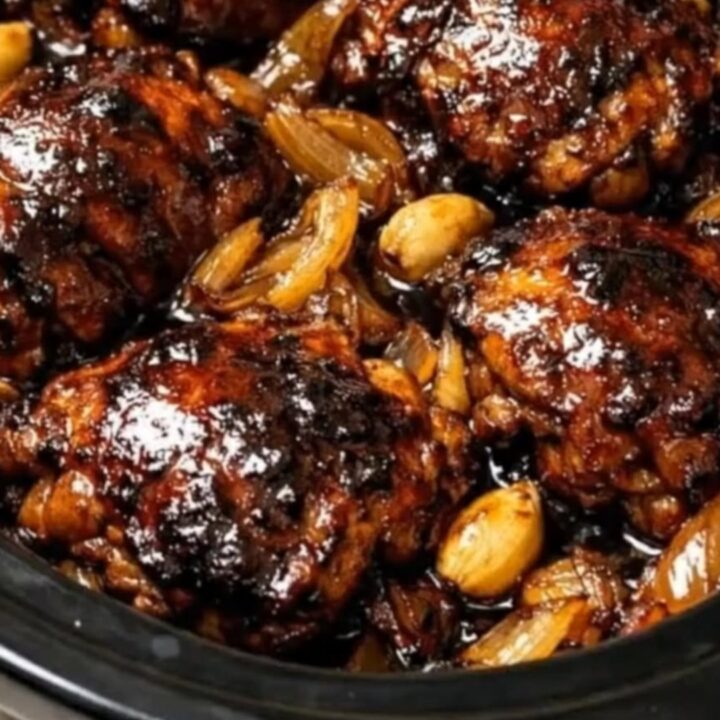
Slow Cooker Amish Molasses Chicken for a Tender Dinner
Ingredients
- 4 lbs chicken thighs, bone-in and skin-on
- 1/2 cup molasses
- 2 large onions, sliced
- 1 head garlic, cloves peeled
Instructions
- Place the sliced onions and the peeled whole garlic cloves at the bottom of the slow cooker to create a flavor base for the chicken. Ensure they are distributed evenly across the surface to provide support for the meat.
- Arrange the chicken thighs on top of the onion and garlic layer. Pour the molasses evenly over the chicken pieces, ensuring each thigh is well-coated. Cover the slow cooker with the lid to begin the slow braising process.
- Cook on low for 4 to 6 hours. Check that the chicken reaches an internal temperature of 165°F (74°C). Once finished, remove the chicken from the slow cooker, let it rest for 5 minutes, and serve with the reduced pan juices.
Estimated nutrition per serving
- Calories
- 450
- Protein
- 32 g
- Carbohydrates
- 28 g
- Fat
- 22 g
- Fiber
- 1.5 g
- Sugar
- 25 g
- Sodium
- 210 mg
Next recipe

Creamy Roasted Pork Tenderloin with Golden Potatoes
See the recipe → →This recipe is based on a short cooking video and is published under the pen name Clara Weller. It was checked before publication, but errors can slip through. Nutrition, when shown, is an estimate. Read more in our editorial policy and on our food safety page.
More recipes to try

Creamy Chicken Penne with Broccoli and Mozzarella
Total time: 40 min
Herb Roasted Chicken with Garlic Mustard Potatoes and Green Beans
Total time: 1 h 5 min
Sticky Honey Garlic Meatballs for a Quick Dinner
Total time: 40 min
Crispy Garlic Parmesan Chicken Thighs in Creamy Sauce
Total time: 40 min
Creamy Garlic Butter Chicken Penne Casserole
Total time: 50 min