Dinner · Part 3 of 3: Tips & recipe card
Sizzling Chili Oil Garlic Udon Noodles in 10 Minutes Tips, FAQ & printable recipe
- Prep
- Cook
- Total
- Serves
- 2
Tips for success
For the best texture, cook the udon noodles just until al dente — they should still have a slight resistance in the center. If using dried udon, cook for 1 minute less than the package says, then rinse with hot water to stop the cooking and remove excess starch. This keeps the noodles from becoming mushy when the hot oil hits them.
To make the dish more substantial, add a handful of baby spinach or bok choy to the noodles before pouring the oil — the heat will wilt them slightly. For extra protein, top with a soft-boiled egg or slices of cooked chicken. The recipe is also delicious with a sprinkle of furikake or a squeeze of lime for brightness.
Variations
- Spicy Peanut Udon: Add 1 tablespoon of smooth peanut butter to the sauce before pouring the oil. The heat will melt it into a creamy, nutty sauce. Omit the sesame seeds if you prefer, or add extra for crunch.
- Ginger Scallion Udon: Replace the gochugaru with 1 tablespoon of grated fresh ginger and increase the scallions to 5. The ginger adds a bright, piquant note that pairs beautifully with the soy and vinegar.
- Sesame Chili Oil Udon: Use toasted sesame oil for half of the neutral oil. The sesame oil will smoke at a lower temperature, so heat it to 350°F (175°C) instead. The result is a deeper, nuttier flavor.
- Vegetable Loaded Udon: Add 1 cup of thinly sliced bell peppers, carrots, or snap peas to the noodles before pouring the oil. The hot oil will lightly cook the vegetables, adding crunch and color to the dish.
Storage and make-ahead
- Fridge
- Store leftover noodles in an airtight container in the refrigerator for up to 3 days.
- Freezer
- Freezing is not recommended, as the noodles will become mushy and the sauce may separate.
- Reheat
- Reheat leftovers in a skillet over medium heat with a splash of water or soy sauce, tossing until warmed through.
Leftover noodles can be stored in an airtight container in the refrigerator for up to 3 days. The oil will solidify, but that's fine — just reheat gently.
To reheat, place the noodles in a skillet over medium heat with a splash of water, tossing until warmed through. The texture won't be quite as chewy, but the flavor will still be excellent.
The aromatics can be minced and measured up to a day ahead, and the sauce can be mixed in a small jar. Cook the noodles just before serving, as they tend to stick together when stored.
The oil should be heated fresh for the best sizzle, but you can also make the entire dish ahead and reheat in a skillet — just add a little water to loosen the sauce.
Serving ideas
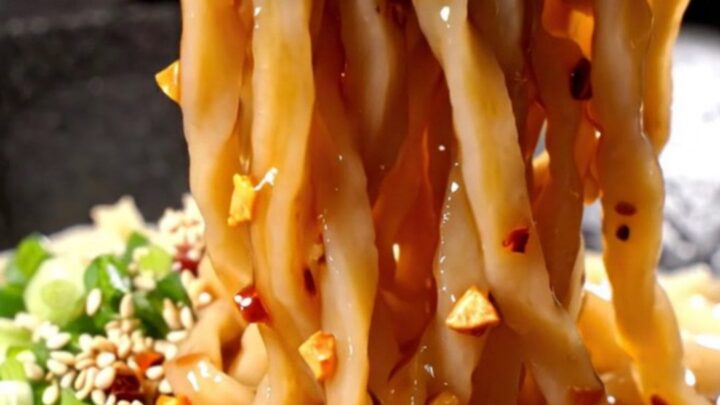
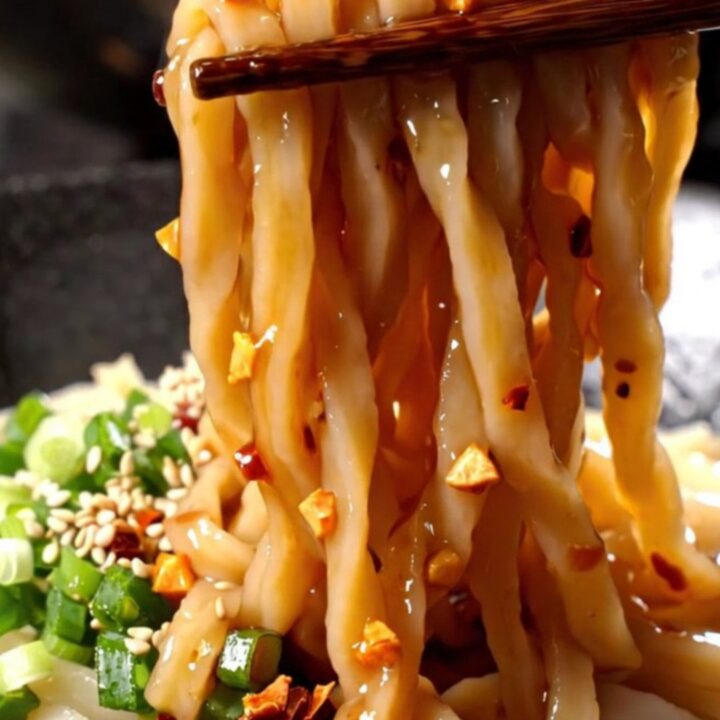
Serve the noodles immediately after the final toss, while they're still steaming and the oil is sizzling. Divide between two bowls, lifting the noodles high with chopsticks to show off the glossy coating.
The dish is satisfying on its own, but it pairs well with a simple cucumber salad or pickled vegetables to balance the heat.
For a fuller meal, serve alongside a bowl of miso soup or a simple green salad. The noodles are also great as a base for grilled shrimp or chicken — the chili oil sauce complements smoky flavors.
If you like extra heat, pass additional gochugaru or chili crisp at the table. A cold beer or iced green tea is the perfect drink to cool the palate.
Frequently asked questions
Can this recipe be made with other noodles?
What if the oil isn't hot enough?
Is this dish very spicy?
Can the sauce be made ahead of time?
What can be used instead of black vinegar?
Sizzling Chili Oil Garlic Udon Noodles in 10 Minutes
Ingredients
- 400 g thick udon noodles, cooked
- 6 cloves garlic, minced
- 3 scallions, chopped
- 2 tbsp gochugaru (Korean chili flakes)
- 1 tbsp toasted sesame seeds
- 30 ml dark soy sauce
- 30 ml black vinegar
- 60 ml neutral oil (such as grapeseed or canola)
Instructions
- Bring a large pot of water to a rolling boil. Add the thick udon noodles and cook according to package directions, usually 3 to 5 minutes for fresh udon or 7 to 8 minutes for dried. Drain well and rinse briefly with hot water to remove excess starch. Transfer the noodles to a large heatproof bowl or wok.
- While the noodles are still steaming, pile the minced garlic, chopped scallions, gochugaru, and toasted sesame seeds directly on top of the noodles. Create a small mound in the center so the hot oil will hit all the aromatics at once.
- Drizzle the dark soy sauce and black vinegar over the noodles and aromatics. Toss gently with chopsticks to coat the noodles evenly with the sauce, then reshape the aromatics into a mound on top. The sauce will pool at the bottom of the bowl.
- In a small saucepan, heat the neutral oil over high heat until it reaches 400°F (200°C). The oil should be shimmering and just beginning to smoke. If using a thermometer, watch for the temperature to hold steady; if not, test with a wooden chopstick — bubbles should race up immediately.
- Carefully pour the hot oil directly over the pile of garlic, scallions, chili flakes, and sesame seeds. The oil will erupt in a loud sizzle, flash-frying the aromatics and turning them into a glossy, fragrant sauce. Let the sizzle subside for about 30 seconds.
- Use wooden chopsticks or tongs to toss the noodles thoroughly, scraping the bottom of the bowl to incorporate the sizzled aromatics and sauce. The oil will emulsify with the soy and vinegar, creating a shiny, clinging sauce. Keep tossing until every strand is coated.
- Let the noodles rest for 1 to 2 minutes so the sauce can absorb into the udon. The noodles will continue to soak up the chili oil, becoming more flavorful and less saucy. Stir once more before serving.
- Transfer the noodles to serving bowls, using chopsticks to lift a glossy, steaming tangle. Garnish with extra scallions or sesame seeds if desired — though the video keeps it simple. Serve immediately while hot and sizzling.
Estimated nutrition per serving
- Calories
- 520
- Protein
- 12 g
- Carbohydrates
- 78 g
- Fat
- 18 g
Next recipe

Crispy Nashville Hot Chicken and Creamy Three-Cheese Mac
See the recipe → →This recipe is based on a short cooking video and is published under the pen name Clara Weller. It was checked before publication, but errors can slip through. Nutrition, when shown, is an estimate. Read more in our editorial policy and on our food safety page.
More recipes to try
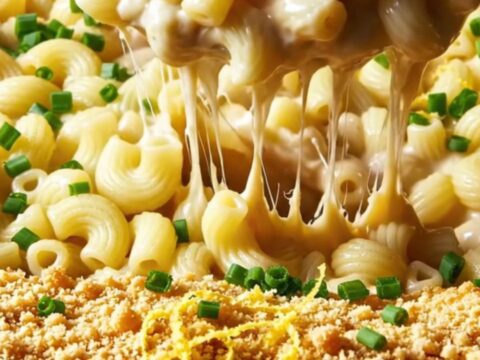
Decadent Steakhouse Lobster Mac and Cheese at Home
Total time: 45 min
Southern Baked Mac and Cheese with Crispy Golden Edges
Total time: 53 min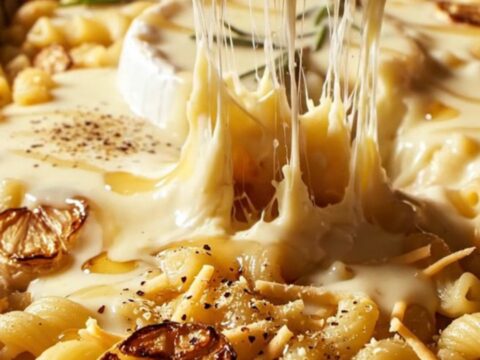
Molten Brie Baked Mac and Cheese with Roasted Garlic
Total time: 40 min
Creamy Birria Mac and Cheese with Spicy Consommé
Total time: 38 min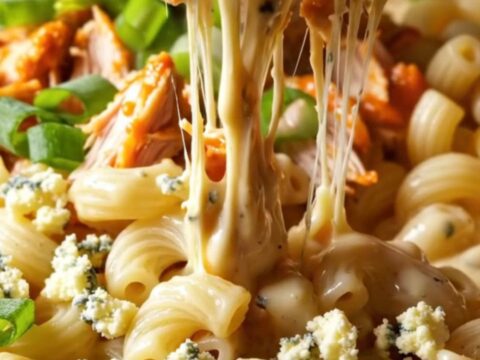
Buffalo Pulled Chicken Mac and Cheese
Total time: 20 min