Dinner · Part 2 of 3: Instructions
Seared Swordfish with Tomato Caper Sauce in One Skillet Step-by-step instructions
- Prep
- Cook
- Total
- Serves
- 4
Before you start
Take the swordfish from the refrigerator only when you are ready to cook, since raw fish should not sit out for more than 30 minutes before it goes into the pan. Pat each steak dry with paper towels, then season both sides with kosher salt and freshly ground black pepper. Halve the cherry tomatoes, pit the black olives, drain the capers and pick the herb sprigs.
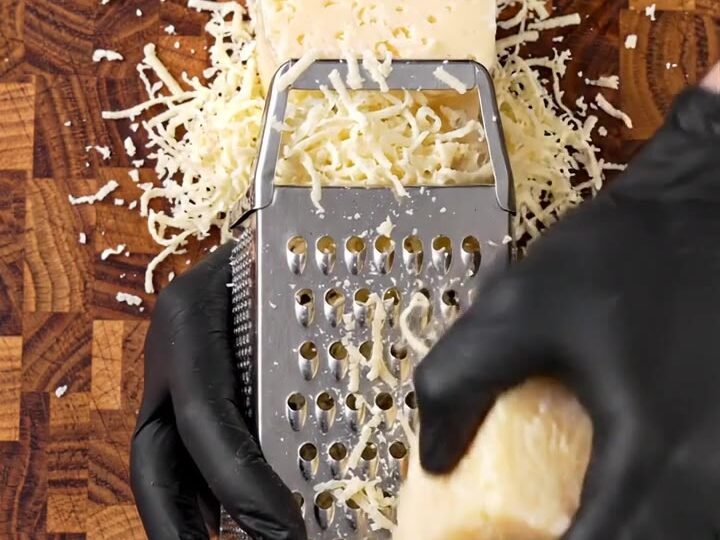
Grate the hard cheese on a box grater and set it aside on a small plate. Juice the lemon into a small bowl so the juice is ready to add quickly at the end. Set the cast iron skillet on the stove so it is ready to heat, and place a serving platter and a fish spatula within reach.
Ingredients at a glance (11)
- 4 thick swordfish steaks, about 1 inch thick
- kosher salt, to taste
- freshly ground black pepper, to taste
- 1 lemon, for juice and wedges
- 2 tbsp extra-virgin olive oil
- 2 tbsp unsalted butter
- 1 cup cherry tomatoes, halved
- 1/2 cup pitted black olives
- 2 tbsp capers, drained
- fresh herbs, to taste
- hard cheese, grated, for serving
Instructions
Season and prep the fish
- Season the swordfishKeep the swordfish refrigerated until cooking. Pat the steaks dry, season both sides generously with kosher salt and freshly ground black pepper, and set them on a board. Squeeze a little lemon juice over the steaks.Look for Steaks look dry and evenly seasoned with no moisture pooling on the board.Tip Dry surfaces brown faster, so blot the fish well with paper towels before seasoning.
- Prep tomatoes and olivesHalve the cherry tomatoes and pit the black olives. Set them beside the steaks, and grate the hard cheese on a box grater to one side so everything is ready when the pan is hot.Look for Tomato halves and olives are cut and ready in one bowl or on the board.Tip Cut the tomatoes just before cooking so they stay juicy and do not weep on the board.
The steaks are dry, evenly seasoned and resting on a board, with the tomatoes halved and the olives pitted beside them. The grated cheese, lemon juice and herbs sit ready in small bowls. Nothing is left to cut once the pan is hot, and the steaks look firm and even in thickness.
Check that the fish has been out of the refrigerator for no more than 30 minutes before you move to the stove, and that the cast iron skillet is set to heat over medium-high. Everything should be within arm's reach so the next steps move quickly and the sear stays even.
Sear the steaks in butter
- Heat oil and butterPlace the cast iron skillet over medium-high heat. Add the olive oil and butter, and heat until the butter is foaming and the oil shimmers across the surface of the pan.Look for Butter foams and bubbles fully, with the oil moving freely in the pan.Tip Keep the heat steady so the butter browns without burning before the fish goes in.
- Sear the swordfishLay the seasoned swordfish steaks into the skillet, leaving space between them. Scatter the cherry tomatoes and olives around the fish so they soften and blister in the buttery oil while the underside sears.Look for Underside is deep golden and the tomatoes begin to blister and split at the edges.Tip Do not move the steaks while they sear; they release easily once the crust forms.
- Flip and baste the fishFlip each steak with a fish spatula. Spoon the melting butter over the fish repeatedly, and cook until the swordfish is just opaque in the center. Check with a thermometer; it should read at least 145°F (63°C).Look for Edges turn opaque and the center looks just opaque when pressed gently.Safe temperature 145°F (63°C) internal temperature (fish)Tip Basting with the foaming butter keeps the top of the steaks moist while the center cooks through.
The butter has foamed and the oil shimmers, and the steaks have turned deep golden on the underside with the tomatoes and olives blistering around them. The fish should release easily from the pan when you test it with a spatula, and the edges should look slightly opaque. If the steaks stick, let them cook a little longer before flipping. Basting with the foaming butter should give the top surface a glossy look. Move on only when the underside is golden and the tomatoes have started to split.
Build the sauce and finish
- Add capers and herbsScatter the capers and fresh herbs into the pan around the steaks. Press the tomatoes gently with a spoon so they burst into a rustic sauce that coats the fish and olives.Look for Tomatoes have burst and the pan juices look glossy and thickened.Tip Gently press the tomatoes rather than stirring hard, so the fish stays intact.
- Finish with lemon and serveRemove the pan from the heat and squeeze a generous amount of fresh lemon juice over the sauce. Plate the golden steaks, spoon the glossy tomato, caper and olive sauce on top, and finish with herb sprigs and grated cheese.Look for Sauce is glossy and loose enough to spoon, with the lemon bright in the aroma.Tip Add the lemon off the heat so its fresh flavor stays bright rather than cooking away.
The capers and herbs have been added, the tomatoes have burst into a glossy, rustic sauce, and the fish is firm and opaque in the center. A thermometer should read at least 145°F (63°C) at the thickest point. Squeeze the lemon juice off the heat, then check that the sauce is loose enough to spoon over the fish and that the flavors smell bright and clean. Plate the steaks right away so the sear stays crisp, and serve before the sauce cools.
Common mistakes
The most common mistake is crowding the pan, which lowers the heat and steams the swordfish instead of searing it. Cook in two batches if your skillet is small, and keep the steaks spaced apart. Another frequent error is moving the steaks too early. Swordfish releases from the pan only after a golden crust forms, so wait until the underside is deep golden before you flip.
Overcooking is the third problem: swordfish dries out quickly once the center passes just opaque, so remove it from the heat promptly. Finally, do not add the lemon juice while the pan is still on high heat, since the bright flavor fades and the sauce can turn bitter. Add the lemon off the heat instead, and season the sauce with a little more salt only after tasting it.
How to tell it’s done
Swordfish is done when the center turns just opaque and the flesh flakes gently when pressed with a fork, while the edges look firm and golden. For a clear check, insert an instant-read thermometer into the thickest part of a steak. It should read at least 145°F (63°C) to be safe for fish.
Many cooks prefer the fish slightly translucent in the very center for a moister texture, but to meet the safe temperature the center must reach 145°F (63°C). Once the steaks reach this temperature, remove them promptly from the skillet and plate them, since residual heat will keep cooking the fish for a minute or so. The sauce should be glossy, the tomatoes softened and burst, and the capers and olives warmed through.
- Fish: 145°F (63°C) in the thickest part
Up next · Part 3 of 3
4 variations · storage & make-ahead · 5 answers · printable card
Tips, FAQ & printable recipe (Part 3)← Back to the ingredients (Part 1)