Dinner · Part 3 of 3: Tips & recipe card
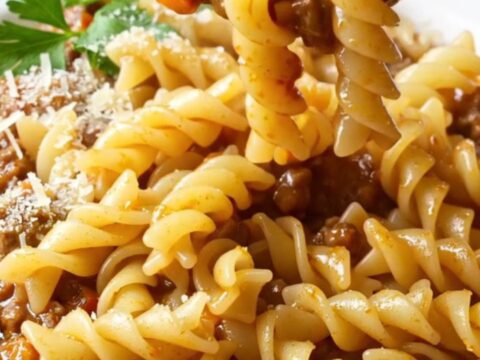
Roasted Whole Vegetable Pipe Rigate Pasta Tips, FAQ & printable recipe
- Prep
- Cook
- Total
- Serves
- 4
Tips for success
For the best texture, use a potato masher rather than a blender or food processor; you want a chunky, rustic sauce, not a smooth puree. If you don't have a potato masher, use the back of a fork or a wooden spoon to crush the vegetables.
Take care not to over-mash, as some texture adds interest to the dish. The sauce should be thick enough to coat the back of a spoon but still have visible pieces of eggplant and pepper.
When adding the mozzarella, keep the heat low and toss gently until it just melts. Overcooking the cheese can make it rubbery and stringy in the wrong way. If you prefer a crisp top, transfer the skillet to a preheated broiler for 1 to 2 minutes after the cheese melts, but watch it carefully to avoid burning. The starchy pasta water is your friend; keep it on hand and add a splash at a time to keep the sauce silky.
Variations
- Spicy Arrabbiata: Add 1/2 teaspoon red pepper flakes with the olive oil when roasting the vegetables, and stir in a pinch of cayenne with the mashed sauce. The heat cuts through the sweetness of the vegetables and the richness of the cheese.
- Herb-Infused: Tuck a few sprigs of fresh thyme or rosemary into the skillet with the vegetables before covering. Remove the sprigs before mashing. The herbs perfume the sauce with a woodsy, aromatic note that pairs beautifully with the roasted vegetables.
- Creamy Version: Stir in 1/4 cup heavy cream or mascarpone after mashing the vegetables, then simmer for 2 minutes before adding the pasta. The cream adds a luxurious, silky texture that makes the dish even more indulgent.
- Add Greens: Fold in 2 cups of baby spinach or chopped kale along with the mozzarella, and toss until just wilted. The greens add color and a mild, earthy flavor that complements the sweet vegetables without overpowering them.
Storage and make-ahead
- Fridge
- Store leftovers in an airtight container in the refrigerator for up to 3 days.
- Freezer
- The vegetable sauce freezes well for up to 3 months. Cool completely, then transfer to a freezer-safe container.
- Reheat
- Reheat the pasta in a skillet over medium-low heat with a splash of water or broth, stirring occasionally, until heated through.
Leftover pasta can be stored in an airtight container in the refrigerator for up to 3 days. The sauce will thicken as it cools, so add a splash of water or broth when reheating to loosen it. The cheese may separate slightly upon reheating, but the flavor will remain. For best results, reheat gently on the stovetop over low heat, stirring frequently, rather than in the microwave, which can make the pasta rubbery.
The vegetable sauce can be made up to 2 days in advance and stored in the refrigerator. Reheat it in a skillet with a splash of water before adding the cooked pasta and cheese.
The pasta is best cooked fresh, but you can boil it up to an hour ahead and toss it with a little olive oil to prevent sticking. The entire dish is best assembled and served immediately, but the sauce is the component that benefits most from make-ahead preparation.
Serving ideas
Serve this pasta hot, straight from the skillet, with a generous shower of fresh parsley on top. A side of crusty bread is perfect for sopping up any extra sauce. For a complete meal, pair it with a simple green salad dressed with lemon and olive oil.
The dish is hearty enough to stand alone, but the bright, acidic salad balances the richness of the cheese. A glass of medium-bodied red wine, like a Chianti or Sangiovese, complements the sweet roasted vegetables beautifully.
This recipe makes four generous servings, but it can easily be doubled for a crowd. The skillet presentation is rustic and inviting, perfect for casual weeknight dinners or cozy gatherings.
For a more elegant presentation, plate individual portions and twirl the pasta into nests, then top with extra cheese and parsley. The leftovers are just as delicious cold, though the cheese will firm up; let the pasta come to room temperature before serving if you prefer it that way.
Frequently asked questions
Can this pasta be made without a potato masher?
What can be substituted for pipe rigate pasta?
Why is the starchy pasta water important?
Can the vegetables be roasted in advance?
How can the dish be made more flavorful?
Roasted Whole Vegetable Pipe Rigate Pasta
Ingredients
- 2 baby eggplants, halved
- 2 sweet red peppers, halved and seeded
- 4 whole tomatoes
- 1 onion, quartered
- 3 tbsp olive oil
- 10 oz pipe rigate pasta
- 1 cup shredded mozzarella cheese
- Fresh parsley, chopped, for garnish, to taste
Instructions
- Place the halved baby eggplants, halved sweet red peppers, whole tomatoes, and quartered onion in a large skillet. Drizzle with olive oil and toss gently to coat. Cover the skillet with a glass lid. Set over medium heat and cook, without stirring, until the vegetables are tender and the skins soften, about 20 minutes. The tomatoes will release their juices, creating a shallow braising liquid.
- Remove the lid. Use a potato masher to crush the softened vegetables directly in the skillet until you have a chunky, rustic sauce. Some larger pieces are welcome. Continue mashing until the mixture is uniform and the tomatoes have broken down completely. The sauce should be thick and glossy, with visible bits of eggplant and pepper.
- Bring a large pot of salted water to a boil. Add the pipe rigate pasta and cook until al dente according to the package directions, about 9 minutes. Reserve 1 cup of the starchy cooking water before draining. Drain the pasta in a colander, but do not rinse it; the starch helps the sauce cling.
- Add the drained pipe rigate to the skillet with the mashed vegetable sauce. Pour in about 1/2 cup of the reserved cooking water. Toss everything together with a wooden spoon, allowing the sauce to fill the hollow pasta shells. Cook over medium heat for 1 to 2 minutes, stirring constantly, until the sauce thickens and coats the pasta evenly.
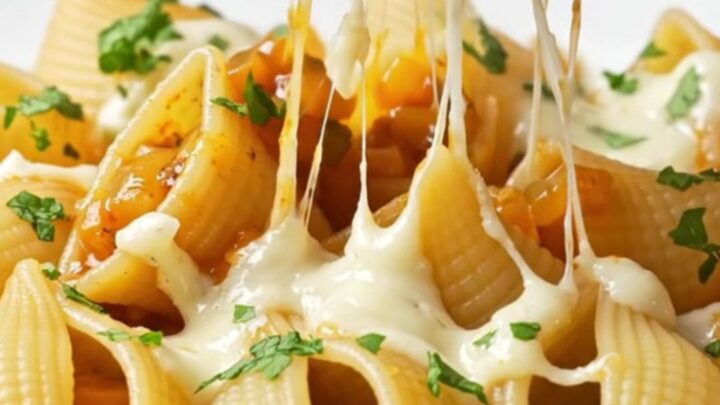
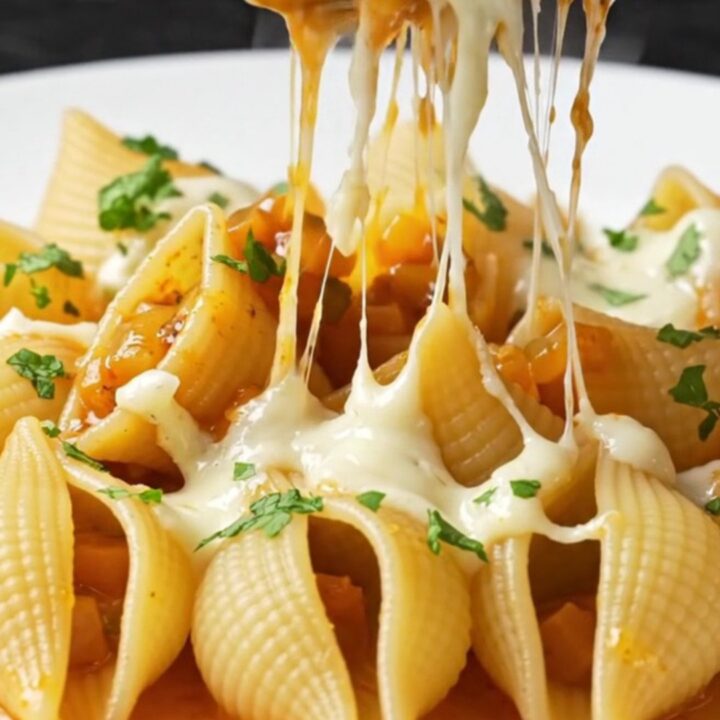
- Sprinkle the shredded mozzarella cheese over the pasta. Continue tossing gently for another minute or two, until the cheese melts into long, stretchy strands that coat the pasta and sauce. The cheese should be fully melted and glossy, not clumpy. If the skillet looks dry, add a little more reserved pasta water.
- Remove the skillet from the heat. Sprinkle the chopped fresh parsley over the top. Serve immediately while the cheese is still hot and stretchy. Lift a heaping spoonful to show the pasta shells overflowing with sweet vegetable sauce and melted cheese. The dish is best enjoyed right away, while the texture is at its peak.
Estimated nutrition per serving
- Calories
- 520
- Protein
- 22 g
- Carbohydrates
- 70 g
- Fat
- 18 g
Next recipe

Stuffed Ring Pizza with Sucuk and Peppers
See the recipe → →This recipe is based on a short cooking video and is published under the pen name Clara Weller. It was checked before publication, but errors can slip through. Nutrition, when shown, is an estimate. Read more in our editorial policy and on our food safety page.
More recipes to try
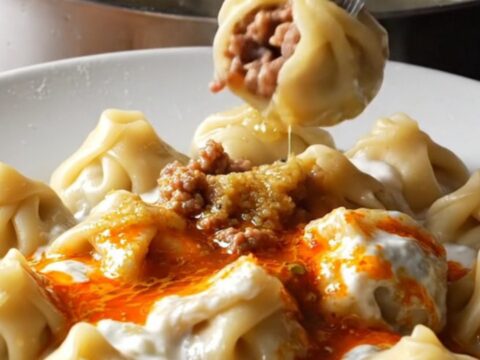
Honeycomb Turkish Mantı Dumplings with Garlic Yogurt and Sizzling Butter
Total time: 1 h 50 min
Pull-Apart Minced Meat Pan Pide: Golden, Cheesy, and Irresistible
Total time: 1 h 55 min
Crispy Copycat McChicken Sandwich You Can Make at Home
Total time: 1 h 30 min
Sealed Stuffed Burger Pockets with Molten Cheddar
Total time: 1 h 2 min
Crispy Beef Shawarma Wraps with Garlic Sauce
Total time: 55 min