Dinner · Part 3 of 3: Tips & recipe card
Roasted Vegetable and Burrata Pasta Tips, FAQ & printable recipe
- Prep
- Cook
- Total
- Serves
- 4
Tips for success
For the best flavor, roast the vegetables until they're deeply caramelized—don't be afraid of a little char. The balsamic vinegar helps the vegetables brown and adds a tangy note that brightens the sauce.
If the sauce seems too thick after blending, add a tablespoon or two of water to loosen it, but remember you'll also add pasta water later.
When tossing the pasta with the sauce, use tongs to gently lift and turn the noodles, ensuring every strand is coated without breaking. Add the pasta water gradually—you may not need all of it.
The sauce should be silky and slightly fluid, not dry or pasty. Serve immediately after adding the burrata, as the heat from the pasta is what makes the cheese melt beautifully.
Variations
- Add Protein: For a heartier meal, add cooked Italian sausage or grilled chicken. Slice the sausage and toss it with the pasta in the skillet during the last minute of cooking. For chicken, shred or dice it and fold it in just before serving.
- Spicy Kick: Add 1/2 teaspoon of red pepper flakes to the sauce before blending, or sprinkle them over the finished dish. The heat balances the sweetness of the roasted vegetables and the creaminess of the burrata.
- Use Different Pasta: Swap fettuccine for penne, rigatoni, or any short pasta. The chunky sauce clings well to ridges and tubes. Adjust the cooking time according to the package directions, and reserve plenty of pasta water.
- Make It Vegan: Omit the parmesan and burrata, and use a vegan parmesan-style cheese or nutritional yeast in the sauce. For the topping, try a vegan cream cheese or a dollop of cashew cream. Use a dairy-free pasta if needed.
Storage and make-ahead
- Fridge
- Store leftovers in an airtight container in the refrigerator for up to 3 days. Reheat gently with a splash of water.
- Freezer
- The sauce can be frozen in a freezer-safe container for up to 3 months. Thaw overnight in the refrigerator before reheating.
- Reheat
- Reheat in a skillet over medium-low heat, adding a splash of water or olive oil to revive the sauce. Avoid microwaving as it can make the pasta mushy.
Leftover pasta can be stored in an airtight container in the refrigerator for up to 3 days. The sauce may thicken as it cools, so add a splash of water or olive oil when reheating to restore its silky texture. Reheat gently in a skillet over medium-low heat, stirring frequently, until hot throughout.
The roasted vegetable sauce can be made up to 2 days ahead. Let it cool completely, then transfer to an airtight container and refrigerate.
When ready to serve, reheat the sauce in a skillet, then toss with freshly cooked pasta and a splash of pasta water. You can also roast the vegetables a day ahead and blend them just before serving.
Serving ideas
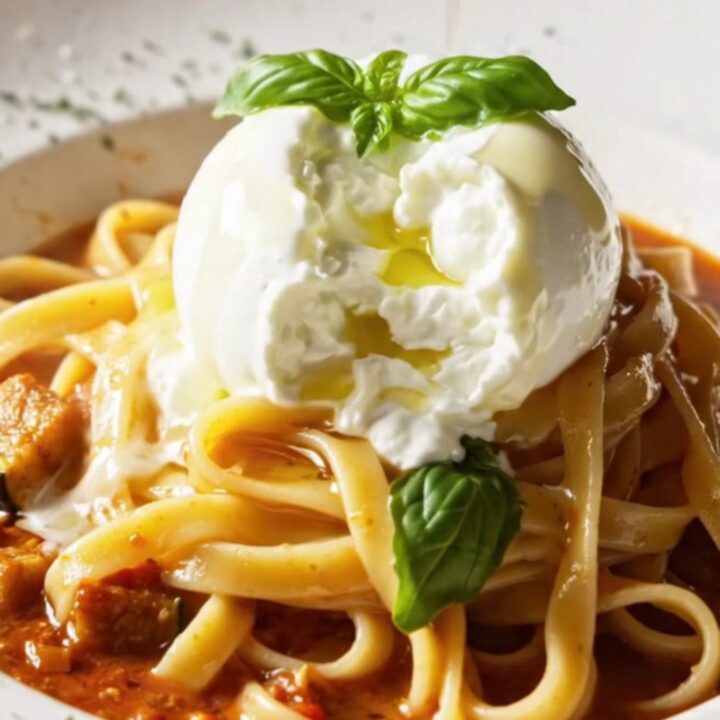
Serve the pasta in wide, shallow bowls to show off the creamy burrata and glossy sauce. Tear the burrata into large pieces so each person gets a generous amount.
Drizzle with extra virgin olive oil and finish with a few fresh basil leaves for color and aroma. This pasta is substantial enough to be a main course, but it also works as a side dish alongside grilled chicken or a simple green salad.
For a family-style dinner, bring the skillet to the table with the burrata on top and let everyone serve themselves. The burrata will continue to melt as it sits, making the dish even more creamy. Pair with a crisp white wine like Pinot Grigio or a light red like Chianti. Warm crusty bread is perfect for sopping up any extra sauce.
Frequently asked questions
Can this pasta be made ahead of time?
Why does the sauce become too thick?
Can other vegetables be used?
What is the best way to reheat leftovers?
Can this be frozen?
Roasted Vegetable and Burrata Pasta
Ingredients
- 6 Roma tomatoes, halved
- 1 medium eggplant, diced
- 1 medium zucchini, diced
- 4 cloves garlic, whole
- 1 medium red onion, cut into wedges
- 1/4 cup olive oil
- 2 tbsp balsamic vinegar
- 1 tsp dried oregano
- 1 tsp salt
- 1/2 cup fresh basil leaves, plus more for garnish
- 1/2 cup grated parmesan cheese
- 12 oz fettuccine pasta
- 1/2 cup starchy pasta water
- 8 oz burrata cheese
- 1 tbsp extra virgin olive oil, for drizzling
Instructions
- Heat the oven to 400°F (200°C). On a baking sheet, combine the tomatoes, eggplant, zucchini, garlic, and red onion. Drizzle with olive oil and balsamic vinegar, then sprinkle with oregano and salt. Toss everything to coat evenly. Spread the vegetables in a single layer and roast for 25–30 minutes, until the tomatoes are charred and the vegetables are tender and caramelized.
- Scrape the roasted vegetables and any juices from the baking sheet into a blender. Add the fresh basil and grated parmesan. Pulse until the mixture forms a thick, vibrant sauce with a few small chunks for texture. Taste and adjust salt if needed.
- Bring a large pot of salted water to a boil. Add the fettuccine and cook until al dente according to the package directions. Reserve 1/2 cup of the starchy pasta water before draining. Drain the pasta but do not rinse it.
- Pour the roasted vegetable sauce into a large skillet set over medium heat. Add the drained fettuccine and the reserved pasta water. Toss everything together for 1–2 minutes, until every strand is glossy and coated and the sauce is bubbling hot.
- Divide the pasta among wide bowls. Tear the burrata into pieces and place it over the top of each bowl. Drizzle with extra virgin olive oil and garnish with fresh basil leaves. Serve immediately while the pasta is hot.
Estimated nutrition per serving
- Calories
- 580
- Protein
- 18 g
- Carbohydrates
- 72 g
- Fat
- 25 g
Next recipe
Easiest Turkish Pide with Juicy Beef and Molten Cheese
See the recipe → →This recipe is based on a short cooking video and is published under the pen name Clara Weller. It was checked before publication, but errors can slip through. Nutrition, when shown, is an estimate. Read more in our editorial policy and on our food safety page.
More recipes to try
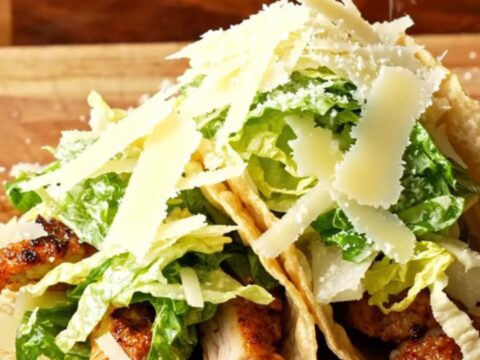
Crispy Chicken Caesar Smash Tacos
Total time: 30 min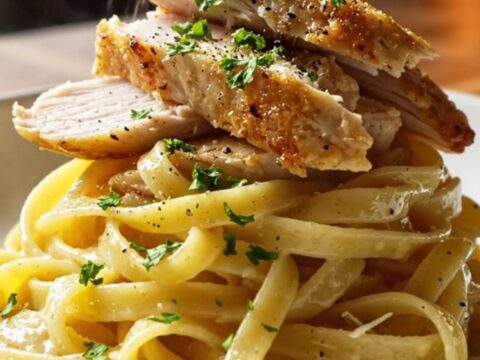
15-Minute Lemon Garlic Chicken Alfredo
Total time: 15 min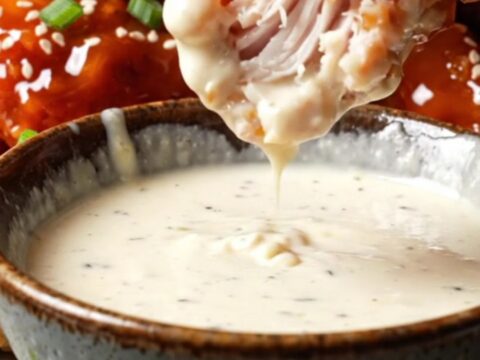
Sticky Sweet Chili Garlic Tenders: Crispy & Quick
Total time: 30 min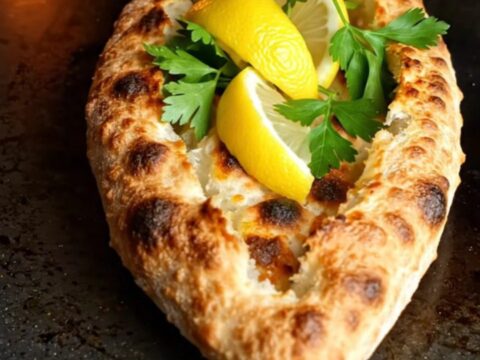
Crispy Turkish Lahmacun Pide with Spiced Beef
Total time: 1 h 33 min
Garlic Butter Beef Pockets: Cheesy, Juicy, and Easy
Total time: 38 min