Desserts · Part 3 of 3: Tips & recipe card
Peanut Butter Chocolate Layer Dessert Tips, FAQ & printable recipe
- Prep
- Cook
- Total
- Serves
- 12
Tips for success
To achieve the cleanest cuts, wipe your knife with a hot, damp cloth between each slice. This prevents the layers from dragging and keeps the edges of the pudding and whipped topping sharp and professional in appearance.
If the dessert is very firm, let it sit at room temperature for five minutes before slicing.
For a more intense chocolate flavor, consider using a dark chocolate pudding mix. If you want more crunch, you can toast the graham cracker crumbs slightly in a dry pan before mixing them with the melted butter, which adds a deeper, nutty aroma to the base.
Variations
- Almond Joy Style: Replace the peanut butter with almond butter and use toasted coconut flakes as a garnish instead of colorful candies for a sophisticated, nutty flavor profile.
- Mint Chocolate Version: Swap the chocolate pudding for mint chocolate pudding and use crushed peppermint candies or thin chocolate mint cookies for the topping to create a refreshing variation.
Storage and make-ahead
- Fridge
- Keep refrigerated in an airtight container for up to 3 days. Ensure the leftovers are cooled within 2 hours of assembly.
Store the dessert covered tightly with plastic wrap or in an airtight container to prevent it from absorbing other odors in the refrigerator.
It is best to keep it on a level shelf to ensure the layers remain undisturbed. Consume within three days for the best texture and flavor quality.
This recipe is excellent for making ahead, as it requires a significant chilling time to set properly. You can prepare it up to twenty-four hours in advance.
If you choose to make it early, add the chopped peanut butter cups and candies just before serving to ensure they retain their crisp texture.
Serving ideas
Serve this dessert chilled, straight from the refrigerator, to maintain the structure of the layers.
Use a sharp, thin-bladed knife to cut through the graham crust, then use a sturdy spatula to lift each slice carefully from the dish. Present on individual dessert plates, perhaps with an extra sprinkle of crushed candies.
This dish pairs well with a hot cup of coffee or a cold glass of milk, which complements the richness of the peanut butter and chocolate. Because it is a substantial dessert, smaller portions are often sufficient, allowing the 9x13 dish to serve a larger group of people comfortably.
Frequently asked questions
Can this be made without a graham cracker crust?
Is it possible to use homemade pudding instead of instant?
Why did the layers mix together?
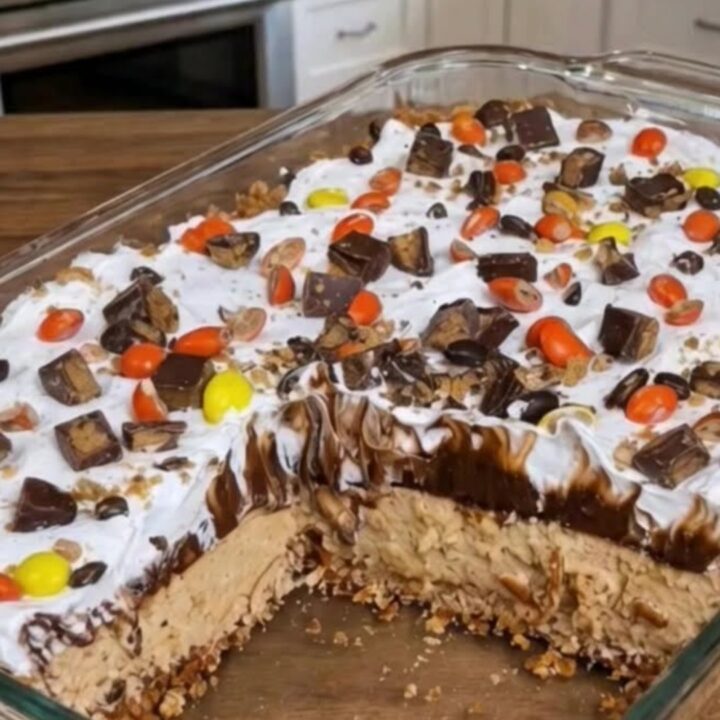
Peanut Butter Chocolate Layer Dessert
Ingredients
- 2 cups graham cracker crumbs
- 1/2 cup unsalted butter, melted
- 1 cup creamy peanut butter
- 8 oz cream cheese, softened
- 2 packages instant chocolate pudding mix
- 16 oz whipped topping
- 1 cup chopped peanut butter cups
- 1/2 cup colorful candies
Instructions
- Combine the graham cracker crumbs and melted butter in a medium bowl until the mixture resembles wet sand. Press the mixture firmly into the bottom of a 9x13 inch glass casserole dish to create an even base.
- In a separate large bowl, beat the softened cream cheese and peanut butter together using an electric mixer until smooth and creamy. Spread this mixture evenly over the prepared graham cracker crust.
- Prepare the instant chocolate pudding mix according to the package instructions. Let the pudding set for a few minutes before spreading it carefully over the peanut butter layer.
- Spread the whipped topping over the chocolate layer, ensuring full coverage to the edges. Sprinkle the chopped peanut butter cups and colorful candies evenly over the top. Refrigerate the dish for at least two hours before slicing and serving.
Estimated nutrition per serving
- Calories
- 420
- Protein
- 6.5 g
- Carbohydrates
- 52 g
- Fat
- 22 g
Next recipe
Decadent Oreo Earthquake Cake with Gooey Fudge
See the recipe → →This recipe is based on a short cooking video and is published under the pen name Clara Weller. It was checked before publication, but errors can slip through. Nutrition, when shown, is an estimate. Read more in our editorial policy and on our food safety page.
More recipes to try
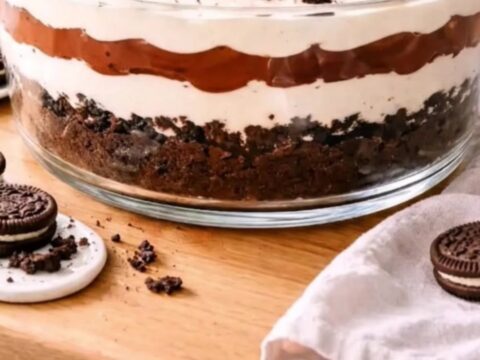
Easy Oreo Chocolate Cream Trifle for Any Occasion
Total time: 1 h 20 min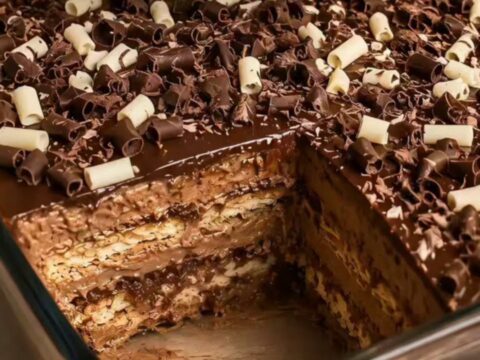
Decadent Layered Chocolate Pavê with Rich Ganache
Total time: 2 h 35 min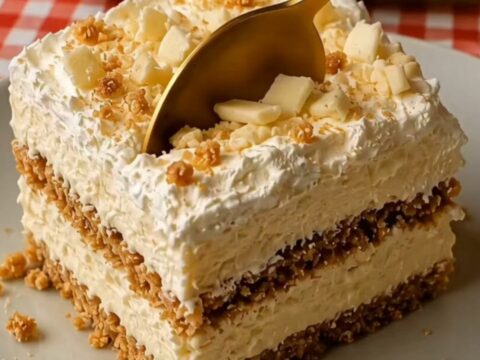
No-Bake White Chocolate Biscuit Cream Cake
Total time: 2 h 20 min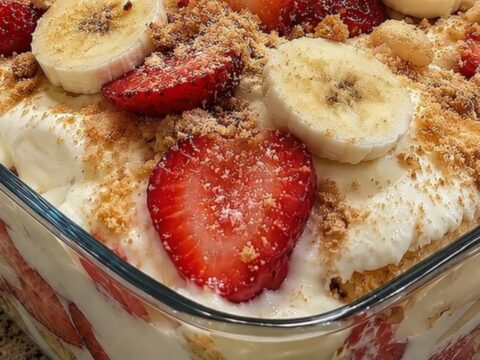
Creamy Strawberry Banana Pudding with Vanilla Wafers
Total time: 1 h 20 min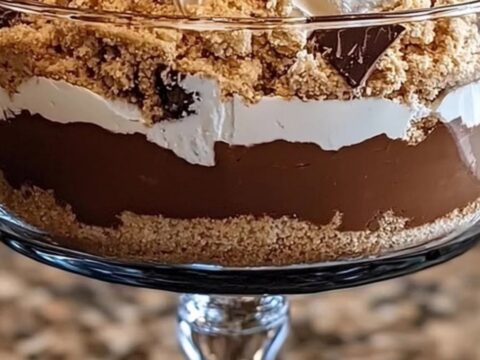
Decadent Baileys Chocolate Cheesecake Trifle
Total time: 2 h 25 min