Dinner · Part 2 of 3: Instructions
Pan-Seared Swordfish with Tomato-Caper Pan Sauce Step-by-step instructions
- Prep
- Cook
- Total
- Serves
- 2
Before you start
Set out the swordfish, cherry tomatoes, olives, capers, thyme, basil and the lemon before you start, so the pan never waits. Pat the swordfish steaks dry with paper towels and season both sides with salt and black pepper just before cooking. Keep the steaks in the refrigerator until the skillet is hot, and do not leave raw fish at room temperature for more than 30 minutes.
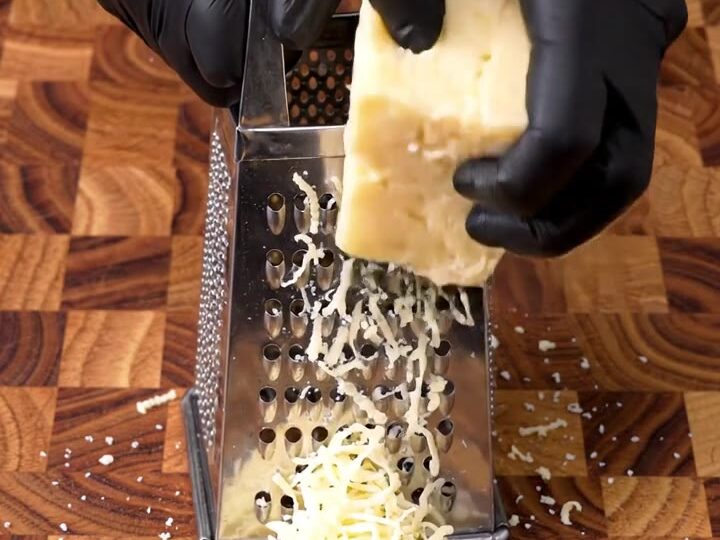
Halve the cherry tomatoes and pit the olives. Juice the lemon and cut thin slices for garnish. Drain the capers. Grate the hard cheese on a board. Have the olive oil and butter measured, and place a fish spatula and a spoon next to the stove, because the basting goes quickly once the sauce is forming and needs your full attention.
Ingredients at a glance (12)
- 2 thick swordfish steaks, about 1 inch thick
- kosher salt, to taste
- freshly ground black pepper, to taste
- 2 tbsp extra-virgin olive oil
- 2 tbsp unsalted butter
- 1 cup cherry tomatoes, halved
- 1/4 cup mixed black and green olives, pitted and halved
- 1 lemon, juiced, plus thin slices for serving
- 1 tbsp capers, drained
- 3 sprigs fresh thyme
- 6 leaves fresh basil, torn
- grated hard cheese, such as Parmesan, for serving
Instructions
Searing the Swordfish Steaks
- Season and sear the swordfishPat the swordfish steaks dry and season both sides generously with salt and black pepper. Heat the olive oil in a cast iron skillet over medium-high heat until it shimmers, then lay the steaks in the pan and sear until golden on the edges.Look for The edges turn golden and the fish releases easily from the pan.Tip Keep the steaks in the refrigerator until you are ready to cook them.
After this phase, the swordfish edges should be golden and the steaks should release easily from the skillet when you nudge them with a spatula. The oil should look hot and smell lightly toasted, not smoky. Check that the steaks are browned on the underside before you turn them, and that the centers still look slightly translucent.
If the steaks stick, leave them alone for another moment so the crust can form. Moving them too early tears the surface and leaves the sear uneven across the flesh. A clean sear at this point sets the foundation for the entire dish, because the browned bits that form on the pan will later dissolve into the butter and lemon sauce as the fish finishes cooking.
Building the Tomato-Caper Sauce
- Add butter, tomatoes and olivesTurn the steaks and let the butter melt over the fish in the pan. Scatter the halved cherry tomatoes and olives into the skillet around the steaks so they start to soften and blister.Look for The butter foams and the tomatoes begin to blister at the skin.Tip Keep the heat steady so the butter browns lightly without burning.
- Add lemon and capersSqueeze the lemon juice over the fish and scatter the capers into the pan. Stir the pan juices gently so the lemon, butter and caper brine combine into a loose sauce.Look for The pan juices turn glossy and smell bright with lemon.Tip Add the capers after the lemon so they keep their texture and bite.
- Spoon pan juices over the fishSpoon the buttery pan juices over the steaks repeatedly, about every minute, for several minutes. Continue until the flesh turns opaque all the way through and flakes easily when pressed with a fork at the thickest point.Look for The flesh is opaque and separates into flakes at the center.Safe temperature 145°F (63°C) internal temperature (fish)Tip Tilt the skillet slightly so the sauce pools for basting.
At the end of this phase, the butter should be fully melted and lightly foamy, the tomatoes should show blistered skins, and the olives should look warmed through. The pan juices should be glossy and loose, coating the back of a spoon in a thin layer. Smell the sauce: it should be bright with lemon and savory from the butter and caper brine. Before moving on, check that the sauce is not browning too quickly. If it darkens fast, lower the heat slightly. The capers should be scattered in and stirred gently, not crushed, so they keep their texture and their briny bite throughout the final basting.
Basting to Opaque and Flaky
- Finish with thyme and basilAdd the fresh thyme sprigs and torn basil leaves to the pan at the end, letting them wilt in the hot sauce. Remove the skillet from the heat and let the fish rest for about 1 minute before serving.Look for The herbs wilt and turn bright green in the glossy sauce.Tip Add the herbs off the heat so they keep their fresh flavor.
- Serve in the skilletServe the dish in the skillet, with each swordfish steak topped with blistered tomatoes, olives, capers and spooned pan sauce. Garnish with lemon slices and grate hard cheese over the top just before eating.Look for Blistered tomatoes and olives sit on top of the glossy sauce.Tip Grate the cheese just before serving so it stays fine and fresh.
At the end of this phase, the swordfish should be opaque all the way through, with the flesh turning from translucent pink to pale, even color. Press the thickest part gently with a fork: it should separate into flakes without resistance. The internal temperature should read at least 145°F (63°C). Check the sauce as well; it should be glossy and slightly reduced, and the herbs should be ready to go in. If the flesh still looks glassy at the center, spoon more of the sauce over the steaks and wait another minute. Overcooking begins quickly with swordfish, so stop as soon as the flakes separate cleanly.
Common mistakes
The most common mistake is cooking swordfish too long. Thick steaks look fully cooked on the outside long before the center is ready, and continued heat dries the flesh quickly. Start checking early and remove the fish as soon as it flakes at the thickest point. Another mistake is crowding the pan. If the tomatoes and olives fill the skillet before the fish is seared, the steaks steam instead of browning.
Keep the vegetables around the fish, not under it. A third error is adding the capers too early. They burn if they sit over high heat for a long time, which leaves a bitter taste in the sauce. Scatter them in after the lemon and stir gently. Finally, do not skip patting the fish dry. Surface moisture prevents the sear from forming and makes the seasoning slide off.
How to tell it’s done
Swordfish is done when the flesh has turned opaque from the outside to the center and separates into flakes when pressed with a fork at the thickest point. The color should be pale and even, with no glassy or translucent area left in the middle. For food safety, the fish should reach 145°F (63°C) at its thickest part, measured with an instant-read thermometer inserted from the side.
Swordfish is best served moist, so remove it from the skillet at that point, even if the center still looks a touch darker than you expected. The residual heat continues to cook the fish for a minute or so after it leaves the pan, so a short rest in the sauce keeps the texture tender rather than dry.
- Fish: 145°F (63°C) in the thickest part
Up next · Part 3 of 3
4 variations · storage & make-ahead · 5 answers · printable card
Tips, FAQ & printable recipe (Part 3)← Back to the ingredients (Part 1)