Dinner · Part 3 of 3: Tips & recipe card
Pan-Seared Ribeye Steak with Butter and Herbs Tips, FAQ & printable recipe
- Prep
- Cook
- Total
- Serves
- 2
Tips for success
For the best results, use a heavy-duty cast-iron skillet that has been properly seasoned. The seasoning on the pan adds depth of flavor and creates a natural non-stick surface that is perfect for searing.
If you do not have fresh herbs, you can add a clove of smashed garlic to the butter during the basting phase for an extra layer of savory flavor. Always ensure the butter is unsalted to better control the final seasoning of the dish.
When using a thermometer, insert the probe into the center of the thickest part of the steak, avoiding any bones or large pockets of fat. This ensures you get an accurate reading of the internal temperature.
If you find the steak is browning too quickly before the center is cooked, you can lower the heat slightly after the initial sear. Resting the steak is non-negotiable; even a few extra minutes of resting will significantly improve the texture and juiciness of the beef.
Variations
- Garlic Butter Steak: Add three cloves of smashed garlic to the skillet during the butter basting phase. The garlic will infuse the butter with a deep, savory aroma that pairs perfectly with the ribeye.
- Peppercorn Crusted Steak: Before searing, press coarsely cracked black peppercorns into both sides of the steak. This adds a spicy, pungent crust that balances the rich, fatty nature of the ribeye.
Storage and make-ahead
- Fridge
- Store in an airtight container in the refrigerator for up to 3 days.
- Freezer
- Freezing is not recommended as it changes the texture of the cooked steak.
- Reheat
- Reheat gently in a skillet over low heat with a splash of water until just warmed through.
If you have leftovers, allow them to cool to room temperature for no more than two hours before placing them in an airtight container. Store the steak in the refrigerator for up to three days. When reheating, it is best to do so gently to avoid drying out the meat. You can slice the cold steak thin and use it in sandwiches, salads, or stir-fries, as it is often better when repurposed into other dishes.
Steak is best served immediately after cooking and resting. Keep the steaks cold in the refrigerator until you are ready to cook. It is not recommended to sear the steak in advance, as the quality and texture are significantly diminished upon reheating. Focus on cooking the meat just before you plan to serve it to enjoy the best crust and flavor. Prepare all your tools and ingredients before you begin the cooking process.
Serving ideas
Serve the steak immediately after the resting period to enjoy it at its peak temperature and texture. Place the whole steak on a warm plate or slice it against the grain for easier eating.
The resting juices left on the cutting board can be drizzled over the sliced meat just before serving to add extra flavor and moisture. This simple preparation pairs well with classic sides like roasted potatoes, steamed vegetables, or a crisp green salad.
When slicing the steak, use a very sharp chef's knife to ensure clean cuts without tearing the meat fibers. Slicing against the grain makes the steak feel more tender when chewed.
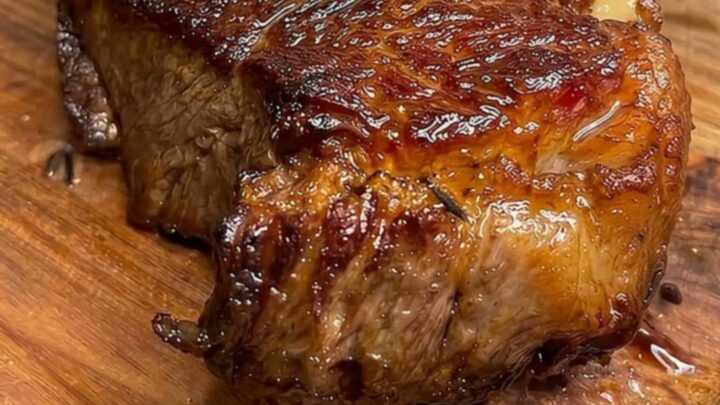
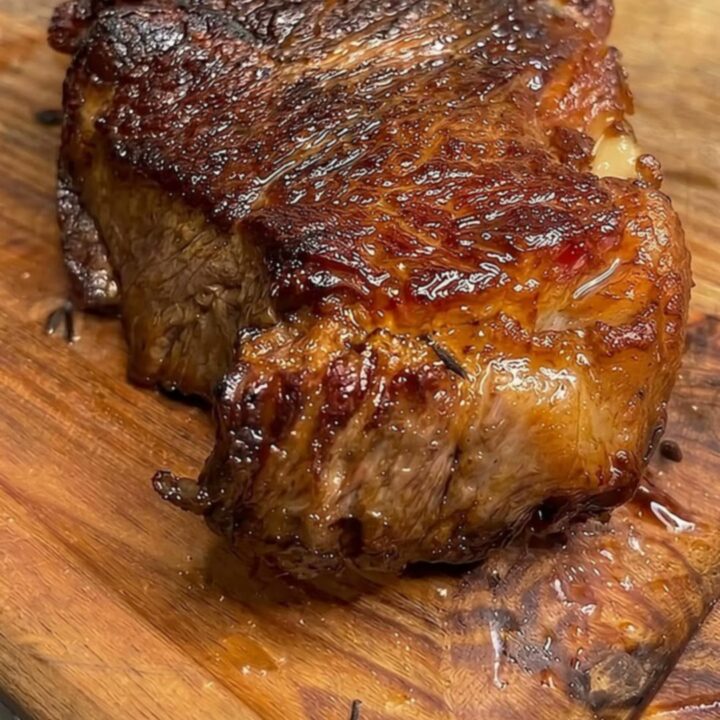
If you have guests, you may choose to plate the steaks individually, or serve them family-style on a large wooden board. The contrast between the dark, caramelized crust and the tender interior is visually appealing, so be sure to present the sliced meat clearly.
Frequently asked questions
Can the steak be cooked in a stainless steel pan?
Why is it important to let the steak rest?
How can the internal temperature be checked without a thermometer?
Pan-Seared Ribeye Steak with Butter and Herbs
Ingredients
- 2 pieces ribeye steak, about 1-inch thick
- 2 tbsp unsalted butter
- 2 sprigs fresh herbs, such as rosemary or thyme
Instructions
- Heat a heavy cast-iron skillet over high heat until it is very hot. Place the steaks into the hot skillet carefully. Sear the steaks for 3 to 4 minutes per side without moving them to develop a deep brown crust.
- Reduce the heat to medium and add the butter and fresh herb sprigs to the skillet. As the butter melts and foams, tilt the pan slightly and use a large spoon to continuously baste the steaks with the flavored butter for the final minutes of cooking.
- Continue cooking until an instant-read thermometer inserted into the thickest part of the steak registers 145°F (63°C) for medium-rare. Remove the steaks from the skillet and transfer them to a warm cutting board. Let the meat rest for at least 5 minutes before slicing, which allows the juices to redistribute throughout the fibers for the most tender result.
Estimated nutrition per serving
- Calories
- 650
- Protein
- 45 g
- Carbohydrates
- 0.5 g
- Fat
- 52 g
Next recipe

Cheesy Bacon Ranch Chicken: A Quick and Savory Weeknight Favorite
See the recipe → →This recipe is based on a short cooking video and is published under the pen name Clara Weller. It was checked before publication, but errors can slip through. Nutrition, when shown, is an estimate. Read more in our editorial policy and on our food safety page.
More recipes to try

Hot Honey Bacon Double-Cheese Meatloaf
Total time: 1 h 30 min
Crispy Parmesan Crusted Chicken with Creamy Garlic Sauce
Total time: 40 min
Ultimate Cheesy Beef Pasta Bake
Total time: 1 h
Easy Cheesy Pepperoni Stromboli with Crispy Crust
Total time: 45 min
Creamy Parmesan Sour Cream Chicken
Total time: 40 min